
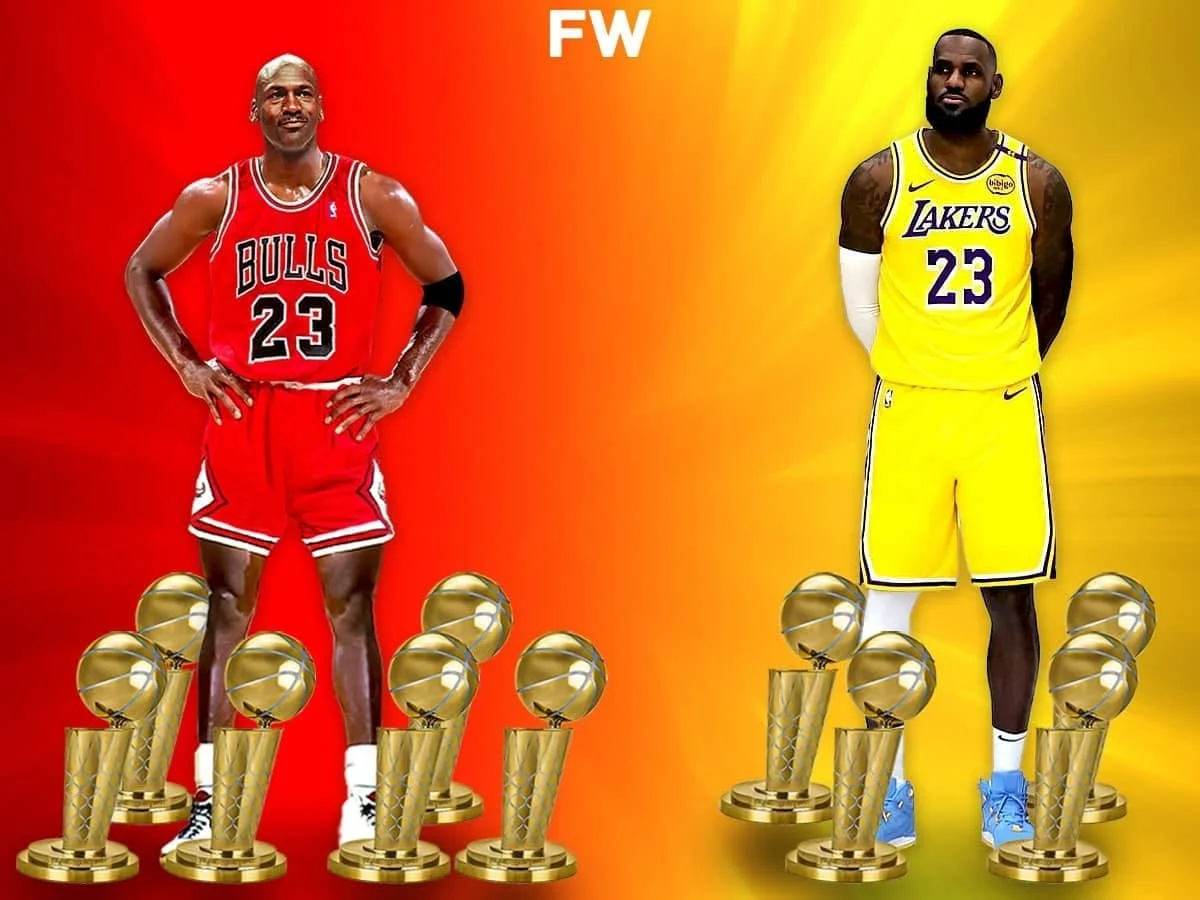

Recently, the NBA community has been deeply engaged in discussions about the significance of the so-called ring culture—whether a player’s greatness should be judged mainly by championship wins. This debate gained renewed attention after LeBron James shared his controversial opinion that rings are primarily team achievements, and individual credit for them is often overstated. His comments sparked widespread backlash, putting the spotlight on how the league and its fans define success.
LeBron James Challenges Views on Championship Value
LeBron James expressed that winning a ring reflects a team’s effort more than individual excellence. He questioned why so much personal prestige is tied to bringing home a championship and supported this view by referencing legendary athletes like Barry Bonds and Dan Marino, who never won a World Series or Super Bowl but remain highly respected within their sports. Despite the logic behind his stance, many critics rejected his perspective, largely due to LeBron’s stature and history.
Draymond Green Agrees but Wants a Clearer Message
Draymond Green has publicly sided with LeBron’s overall point during the ring culture debate while acknowledging that James could have articulated his thoughts more effectively. Green explained this nuanced position by highlighting the difficulty for champions to fully appreciate how others’ greatness can be undervalued when they lack rings.
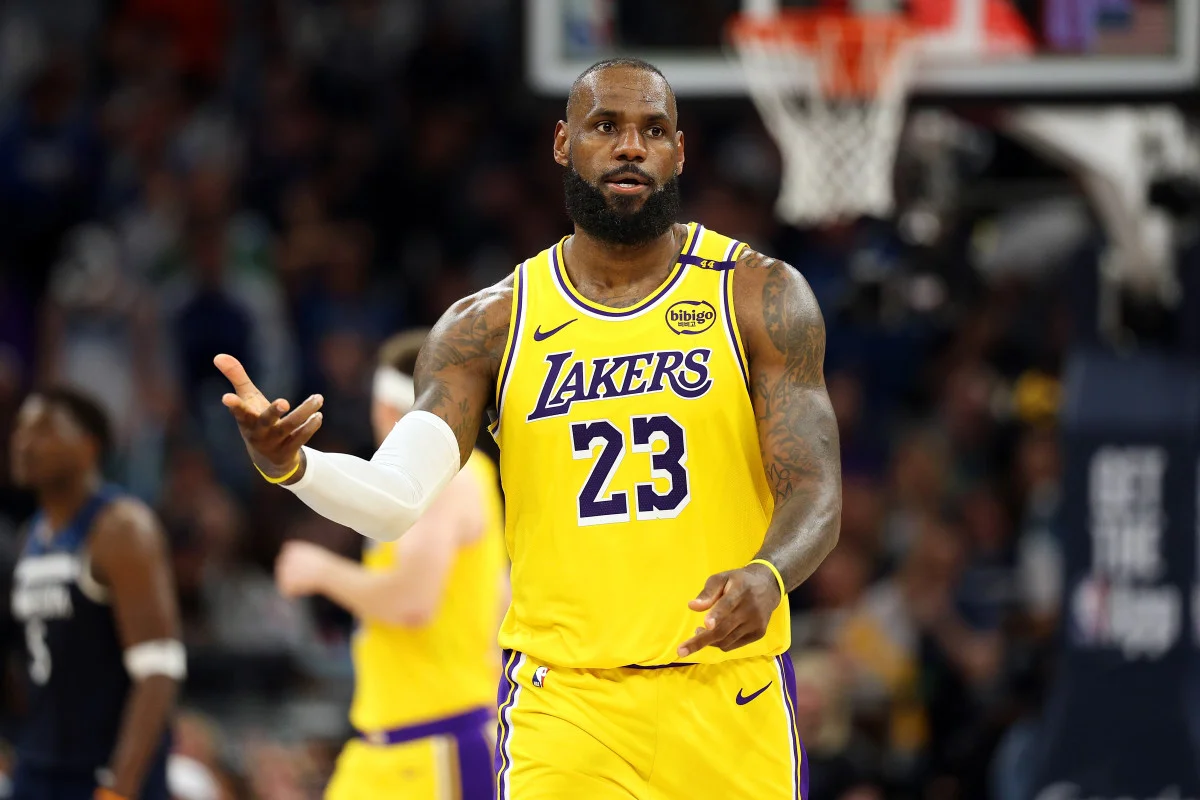
So I understood what Bron was trying to say. I get the point. I don’t think he did a good job of explaining it,
Green stated.
And so, when you are a champion, easy for you to say, ‘Yo, it don’t matter because I’m a champion.’
Green Uses Examples to Clarify the Debate on Greatness
Green elaborated on LeBron’s message by addressing how some players without titles are unfairly diminished compared to those who have won rings. He emphasized that greatness does not solely hinge on championships.
At least what I think he was trying to say. You got people that haven’t done this, and they use that to dumb down the greatness of other guys that haven’t necessarily done it,
Green explained. To illustrate his point with an NBA example, he praised Chris Paul as an exceptional player despite his lack of a championship.
Chris Paul is a winner. I tell people all the time. Chris Paul ain’t never won a championship, Chris Paul is a winner,
Green affirmed.
That doesn’t mean he ain’t great.
Green Reflects on His Own Championship Experience and Criticism of Analysts
This was not Green’s first time addressing the ring culture. On a recent podcast with Baron Davis, Green reiterated his agreement with LeBron’s criticism of how the obsession with rings has negatively influenced basketball. He also directed his comments toward analysts like Stephen A. Smith, who often judge players harshly despite never competing for a title themselves.
Because you don’t know how hard it is because you never gone through it, then you use it to lessen the greatness of some of the greats,
Green remarked during the discussion. Despite this clarity, many fans remain fixated on championship wins as the ultimate measure of success, rejecting any alternative views.
The Complex Role of Rings in Shaping Player Legacies
The ring culture debate reveals a split understanding of a player’s lasting impact. While championship rings hold undeniable importance, they do not alone define excellence. For example, Kendrick Perkins, a role player with a ring, doesn’t enjoy the same legacy recognition as Allen Iverson, who never won a title but is regarded as one of the greatest. This discrepancy points to the nuanced ways fans and analysts evaluate players beyond just hardware.
Ongoing Debate Highlights the Limits of Using Rings to Judge Greatness
As discussions around the LeBron James ring culture debate continue, it’s clear the topic will remain contentious. The conversation challenges how greatness is recognized in basketball, emphasizing that championships are only one part of a player’s story. With voices like Draymond Green supporting a broader perspective, the basketball world may slowly move toward a more inclusive understanding of legacy, though entrenched views from some fans and analysts will likely persist.