
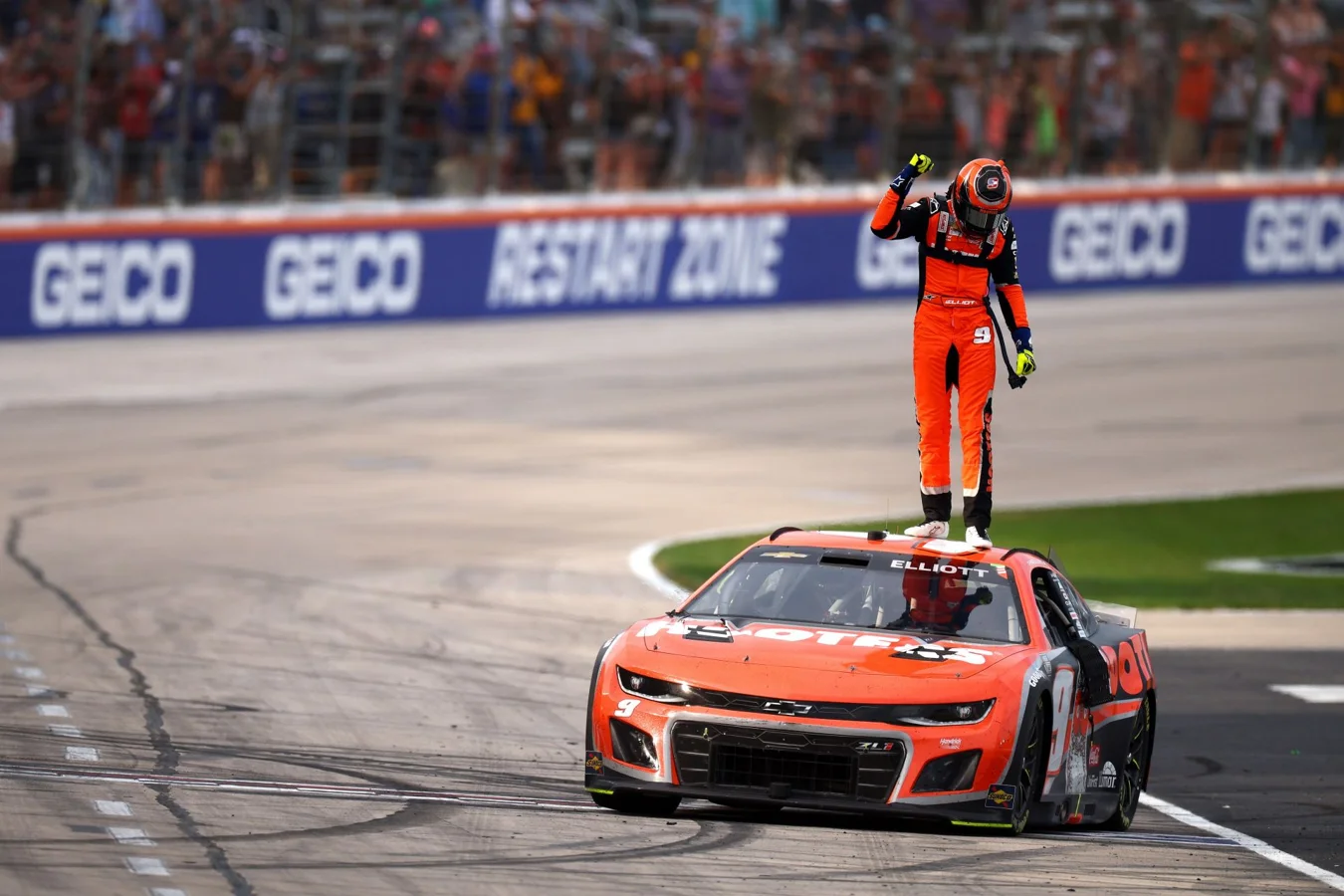

In today’s NASCAR scene, many emerging drivers enter the sport backed by substantial financial resources, which has shifted the landscape of driver character and determination. Contrary to this trend, Kurt Busch’s rise in racing required relentless grit and persistence, especially during a time when talent and toughness were the main avenues to climb the ranks. His journey provides critical insight into the challenges faced by competitors like Chase Elliott NASCAR early career stars.
Kurt Busch’s Journey from Local Circuits to National Attention
Kurt Busch began his racing path as a young driver competing at Pahrump Valley Speedway at age 14, initially racing in the IMCA Modified series. His breakthrough moment came in 1997 when he participated in the Winter Heat Series at Tucson Speedway. This televised winter racing event attracted dedicated fans and high-caliber drivers, creating an intense competitive environment during the off-season months of December and January.
Many talented drivers such as Matt Kenseth, Kevin Harvick, and Matt Crafton traveled to Tucson to challenge themselves on different tracks, providing Busch a platform to showcase his skills. His impressive performances led to a key opportunity with Roush Racing in the Craftsman Truck Series in 2000. This marked the beginning of his significant influence on NASCAR’s evolving racing culture.

Changing Racing Styles and the Impact on NASCAR
When Busch entered the Cup Series, he brought a distinctly aggressive style of driving that altered longstanding norms within NASCAR. He discussed this transformation in an interview with Racer.com, highlighting how his approach diverged from the respect-driven conduct common among Southeastern drivers.
We brought our style of racing to Cup, and it started to change the way some people drove. It changed the etiquette. A lot of us just went hard. We didn’t really respect the other guys as much as the Southeastern drivers did. The old-school guys gave a lot of room to each other. For us, we were in the arms race era, if I can define that to everyone.
—Kurt Busch, NASCAR driver
This “arms race” referenced by Busch described the period when team owners heavily invested in securing premier drivers, aiming to dominate the sport. This era saw figures like Joe Gibbs aligning with Tony Stewart, Rick Hendrick signing Jimmie Johnson, and Jack Roush pairing with Busch and Matt Kenseth.
The Personal Drive Behind Busch’s Racing Career
Unlike some racing families with established legacies, Busch’s father was a local racer without a prominent presence in the industry. Understanding the modest background he came from, Kurt felt a significant responsibility to pave a path that his younger brother Kyle could follow toward success. His focus extended beyond personal achievements to creating opportunities for his family within the highly competitive sport.
It wasn’t like my dad was Bill Elliott and I’m Chase Elliott and this is going to be the path. Mine was, ‘What bridge do I think I can go over and leave it behind so that my brother could follow me?’ With the different race teams that I went to, I was always trying to promote my little brother. I was hoping that Kyle could get to the next level,
—Kurt Busch, NASCAR driver
Legacy and Long-Term Impact on NASCAR and Family
Decades after Kurt Busch’s initial struggles, it is clear that his efforts have laid the foundation for a multi-generational racing legacy. Kyle Busch has become a two-time Cup Series champion, and the family dynasty continues with the next generation, including Kyle’s son Brexton, entering the sport. Kurt Busch’s imminent induction into the NASCAR Hall of Fame further solidifies his lasting contribution not only to the sport but also to the opportunities created for his family members.
The story behind Chase Elliott NASCAR early career success is intertwined with the dedication and sacrifices distinct to drivers like Kurt Busch, whose perseverance shaped the competitive and personal dynamics within stock car racing. This legacy continues to influence aspiring racers who follow in their footsteps.