
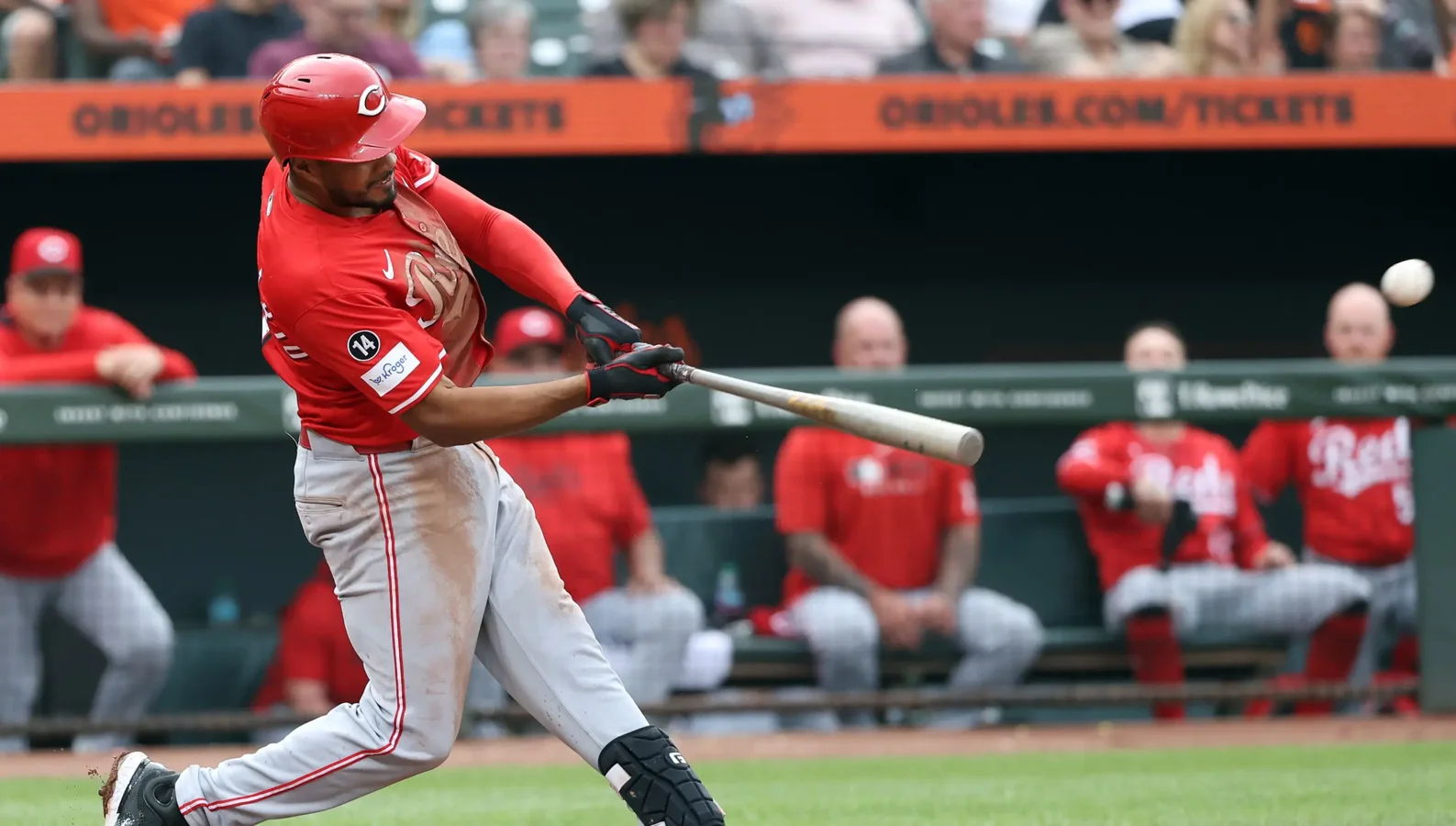

Jeimer Candelario’s attempt to revive his career with the Cincinnati Reds came to an abrupt end when the team designated him for assignment following a tough stretch plagued by injury and underperformance. This roster move, announced during the ongoing season, signals a shift in the Reds’ approach as they focus on nurturing emerging infield talent. The decision reflects the team’s commitment to adapting its lineup to remain competitive in Major League Baseball.
Candelario’s Difficult Road Back and Performance Struggles
Candelario’s stint with the Reds began filled with potential but quickly deteriorated after he suffered a lumbar spine strain in late April. Upon returning to the active roster, he failed to regain form, managing only a .113 batting average with two home runs and ten RBIs in 80 at-bats. These numbers underscore the difficulties he faced integrating back into play and contributed to the Reds’ choice to remove him from their roster. The veteran infielder’s challenges highlight how injuries and slumps can rapidly affect a player’s standing in a demanding professional environment.
Team’s Strategic Emphasis on Youthful Infield Talent
By designating Candelario for assignment, the Reds are demonstrating a clear shift toward prioritizing youth development within their infield group. The team’s confidence in players like Christian Encarnacion-Strand and Spencer Steer has grown, as both have shown promise and adaptability in their limited opportunities. This transition represents a forward-looking approach by the Reds, aiming to cultivate a core of rising stars who can contribute immediately and evolve into the team’s long-term foundation. Encarnacion-Strand, in particular, has drawn notice for his energetic playstyle and quick adjustment to the major league pace, signaling his potential as a key figure moving forward.
Broader Impact of Candelario’s Exit on the Team and Player
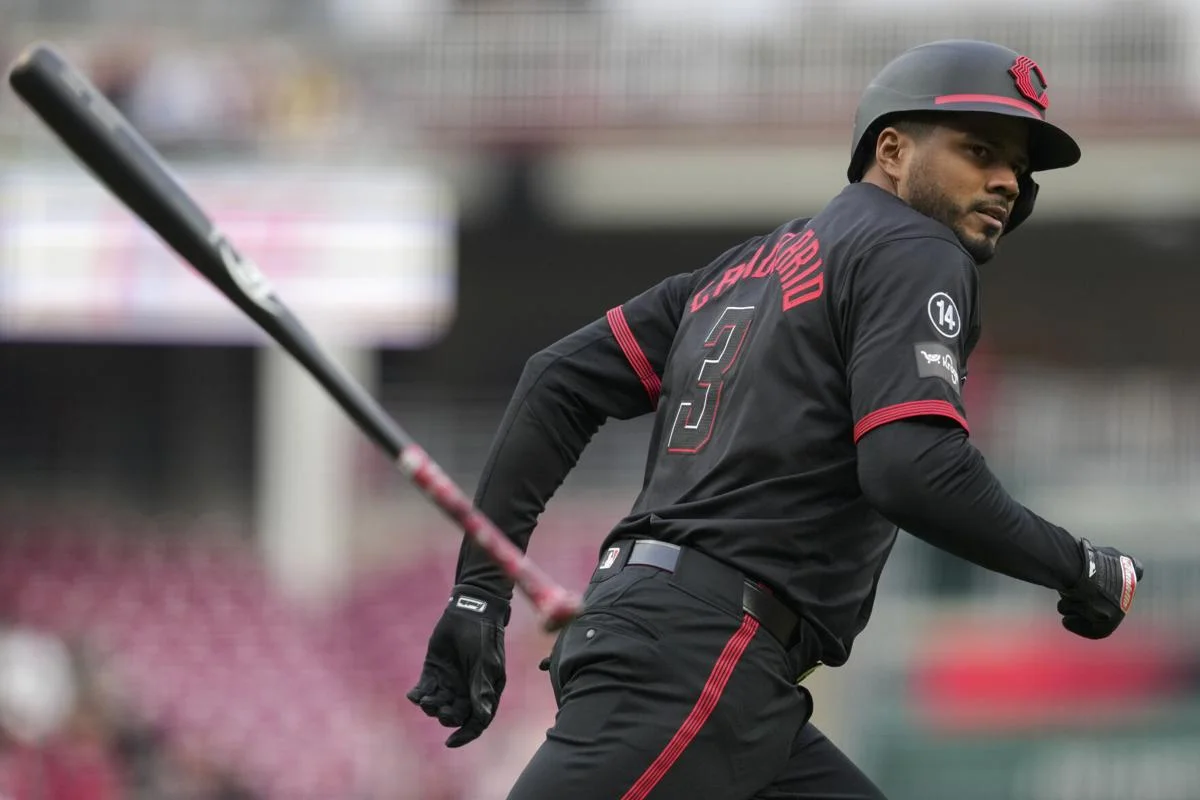
Candelario’s removal from the Reds’ roster illustrates the harsh realities of professional baseball, where injuries and dips in performance can swiftly alter a player‘s trajectory. For the Reds organization, this moment is a case study in the balance between patience with experienced players and the imperative to foster new talent. For Candelario himself, it poses a crossroads, embodying both an abrupt setback and an opening to seek new opportunities elsewhere. The decision embodies the competitive pressures athletes face and highlights the Reds’ evolving roster strategy to stay relevant in a shifting sports landscape.
Looking Toward the Future with Emerging Players
While Jeimer Candelario’s chapter with the Cincinnati Reds concludes unexpectedly, the broader narrative speaks to the unpredictable nature of baseball careers and team building. The organization’s investment in prospects like Encarnacion-Strand and Steer reflects a deliberate effort to build a vibrant and sustainable core. As the Reds continue to develop these younger players, the lessons learned from this period of transition will shape their approach to roster management in coming seasons. Meanwhile, the door remains open for Candelario to reinvent himself and potentially return to prominence in the league, emphasizing that in baseball, endings often become new beginnings.