
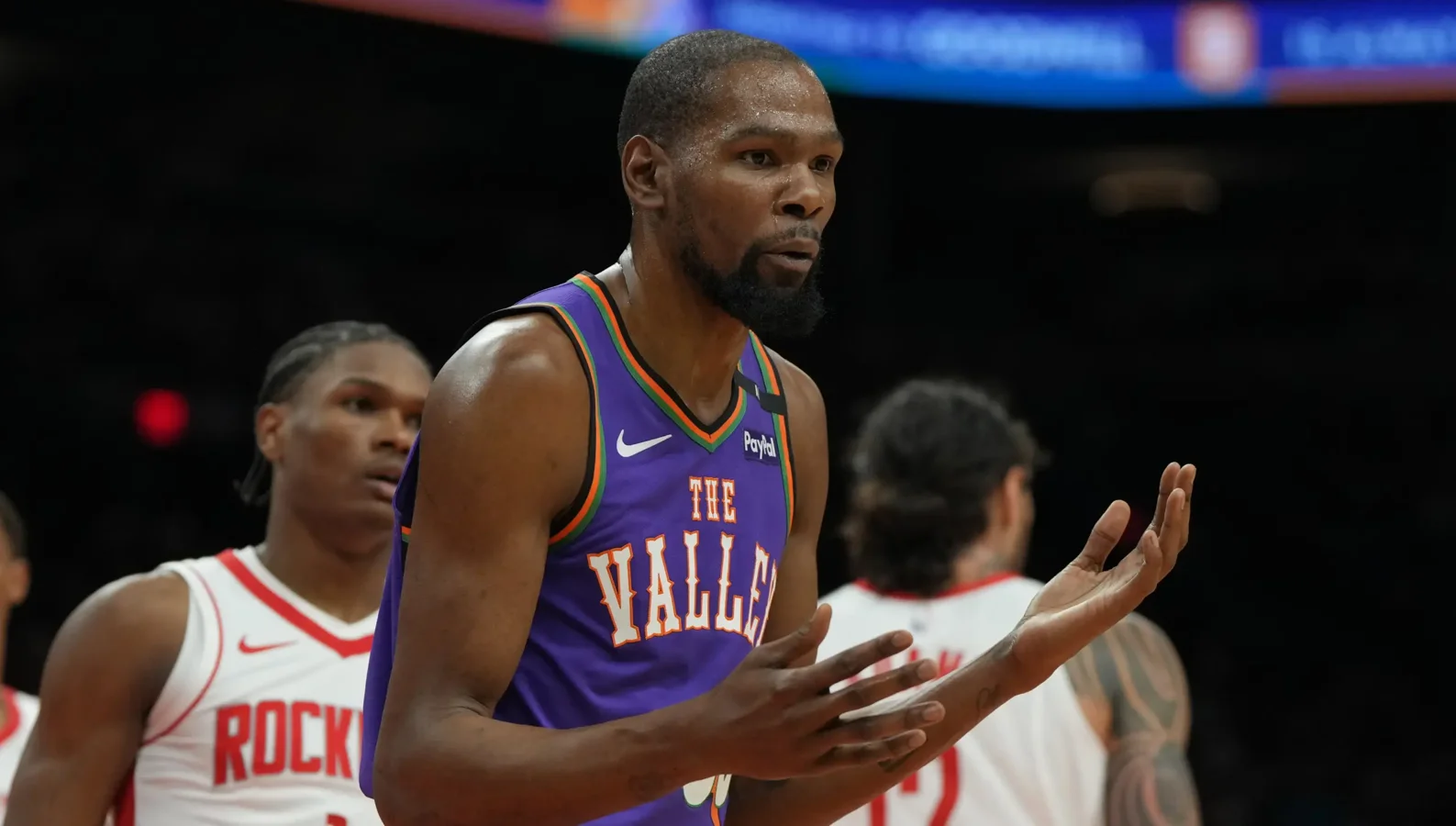

The New York Knicks considered a major trade move this offseason, targeting Kevin Durant after he became available for trading. Despite Durant’s elite performance in 2024, the Knicks ultimately decided against pursuing a deal. Their concern centered on the steep price required, which threatened to dismantle the key core they had painstakingly built over the past year.
Durant’s Skillset Was Undeniable, But the Trade Price Was Too High
Kevin Durant, a two-time NBA Finals MVP, remains one of the league’s most lethal scorers. This season, he averaged 26.6 points per game on an efficient 52.7% shooting from the field and 43% from three-point range, showcasing near-unstoppable offensive talent. While any team would benefit greatly from his abilities, the Knicks would have had to give up significant pieces of their roster to obtain him, jeopardizing the stability they had worked hard to establish.
Prioritizing Team Continuity Rather Than a Short-Term Star Addition
Sports analyst Allan Hahn explained why the Knicks stepped back from the trade discussions during an appearance on Get Up.
“It was going to blow up the roster,”
Hahn said.
“It was going to cost you too many pieces to blow up a roster that you already did.”
—Allan Hahn, Analyst
Hahn also noted that the Knicks had recently made significant roster changes, including a two-for-one deal involving Karl-Anthony Towns last season, which they were reluctant to repeat. The organization decided to focus on maintaining roster chemistry and stability over taking a gamble on a player with only one year remaining on his deal.
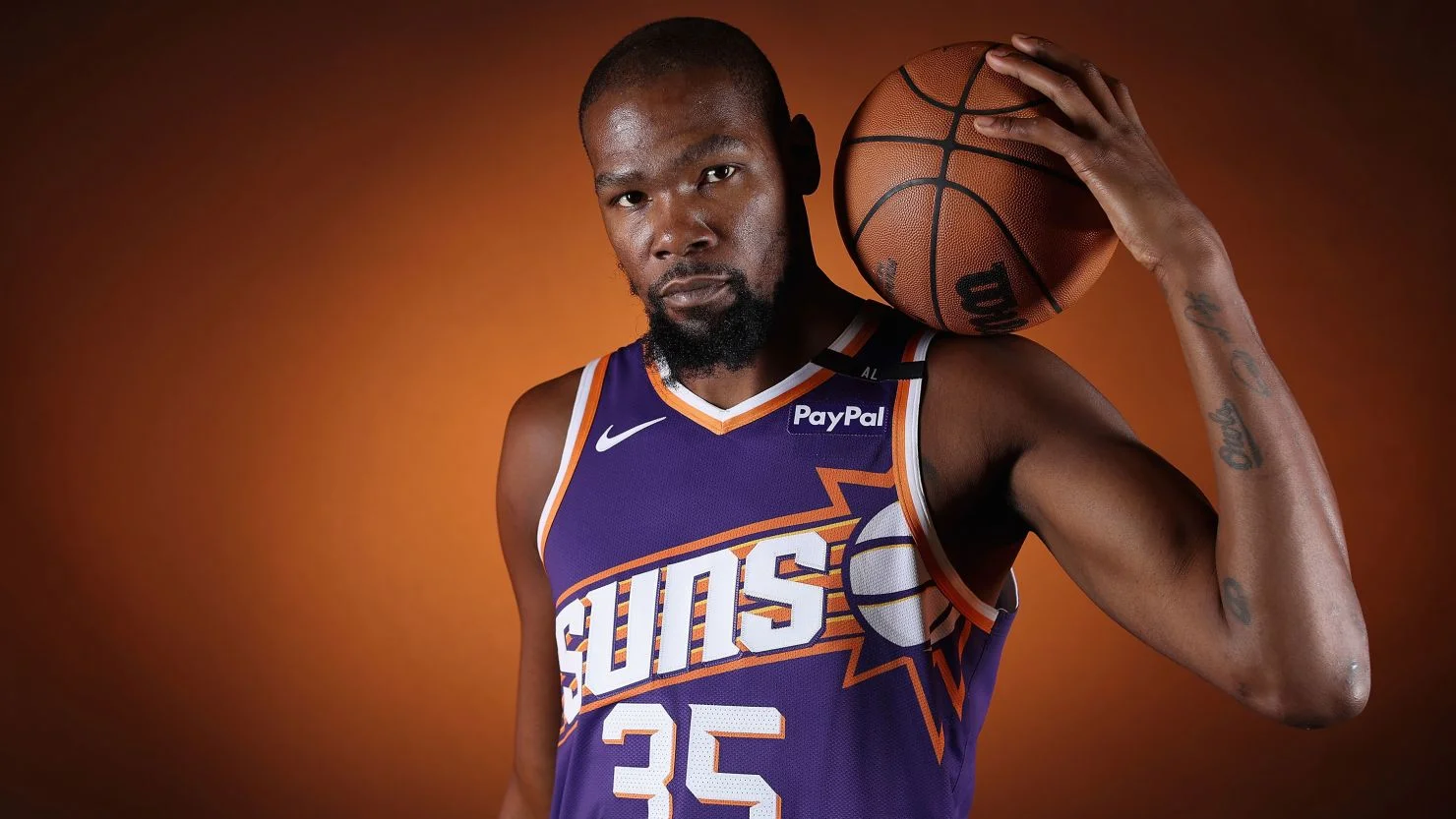
The Knicks’ Focus Remains on Building a Sustainable Team
After narrowly missing a trip to the NBA Finals, the Knicks remain confident in the core they’ve assembled, believing it has the potential for lasting success. This has informed their offseason strategy, emphasizing incremental roster improvements rather than sweeping changes. While they still need to hire a new head coach and add bench depth, they want to avoid rash decisions that might undermine their long-term plan.
For the Knicks, this means seeking calculated upgrades that fit into their existing framework, instead of replacing key contributors. Kevin Durant, despite his talent, did not fit this vision unless his trade price significantly decreased — which never happened.
A Commitment to Growth Over Risky Moves Reflects Organizational Maturity
The Knicks’ decision to pass on Durant signals a shift in their approach compared to past management. Previous eras might have taken an impulsive leap at star acquisitions, risking team cohesion in pursuit of a quick title. The current leadership appears more patient and focused on developing a contender through solid depth and chemistry, emphasizing sustainable growth.
While there remains the possibility of a bold trade in the future, the Knicks have made it clear that any major moves must serve their strategic goals rather than stem from desperation or urgency.