
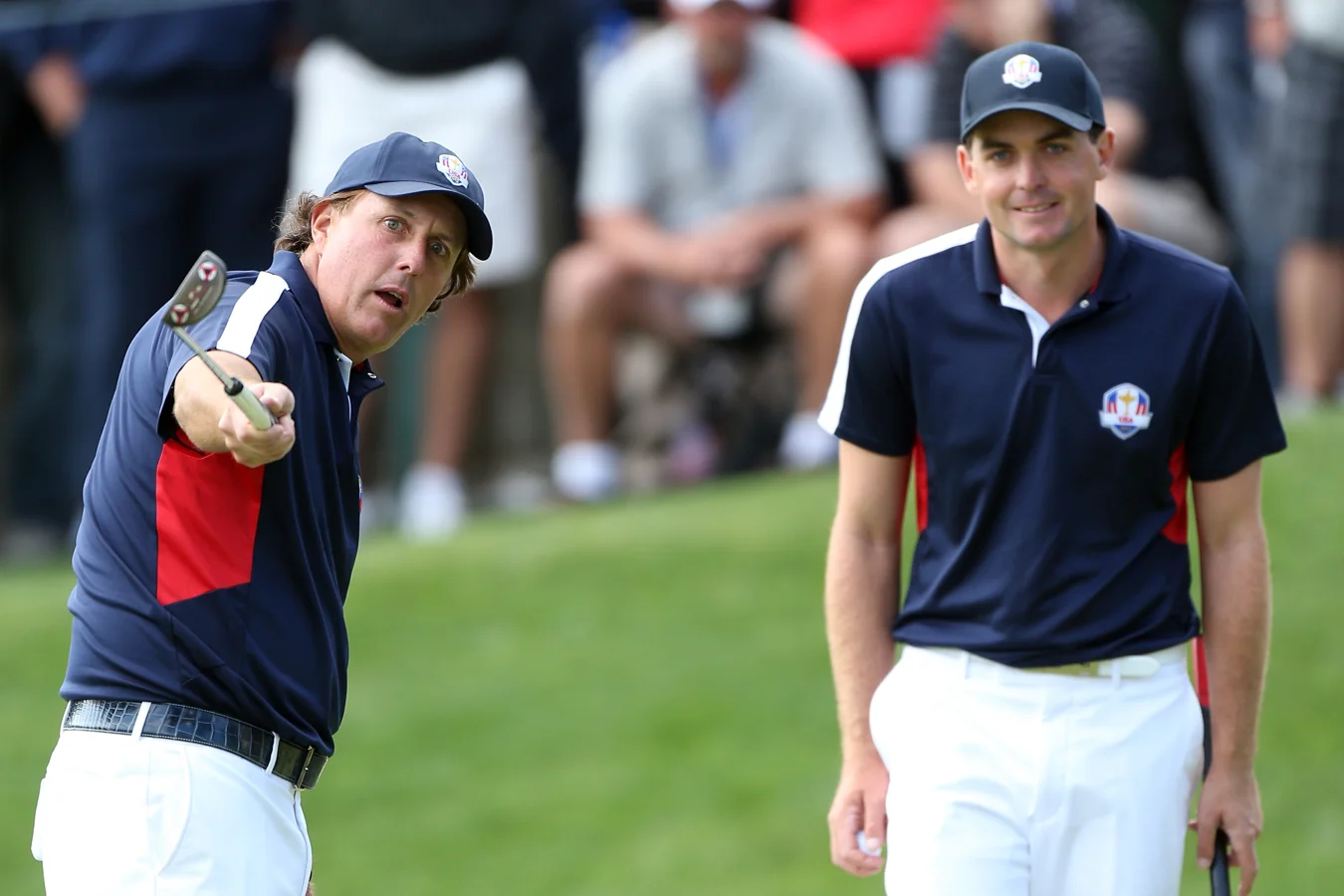

Tiger Woods continues to maintain his revered status in the golf world, while Phil Mickelson has faced intense criticism following his controversial decisions in recent years. The divide between the two legends stems from their differing approaches to loyalty and the evolving landscape of professional golf, particularly in relation to the emergence of LIV Golf. This ongoing debate has profound implications for their legacies and the future of the sport.
Contrasting Personalities and Public Perceptions of Woods and Mickelson
Tiger Woods is often seen as the disciplined and strategic figure in golf, qualities reflected in both his gameplay and public persona. Conversely, Phil Mickelson has been recognized as the sport’s “Everyman,” known for his spontaneous and sometimes impulsive style, which once endeared him to fans. However, Mickelson’s popularity has waned due to choices perceived as disloyal, particularly surrounding his affiliation with LIV Golf.
Golf journalist Alan Shipnuck highlights the pivotal difference in public reception between the two players. He argues that Mickelson’s “ultimate crime” is duplicity rather than legal wrongdoing, contrasting it with Woods’ numerous well-publicized controversies, including the 2009 personal scandal, 2017 DUI arrest, and a serious car accident in 2021, which Woods managed to overcome and remain beloved.
“And Phil’s ultimate crime was really duplicity. You know, he didn’t break any laws, he wasn’t charged with any crimes, he didn’t go to j—. You know, a lot of sportsmen have, and they’ve still been welcomed back. Tiger has had some massive controversies in his life, and he’s created incredible messes that had to be cleaned up. And he’s become this beloved elder statesman.” —Alan Shipnuck, Sports Journalist
Shipnuck further explains that Mickelson’s actions, though free of criminal charges, are viewed as a betrayal of loyalty and possibly motivated by greed. This has sharply contrasted with Woods’ ability to retain respect and honor despite personal upheavals.
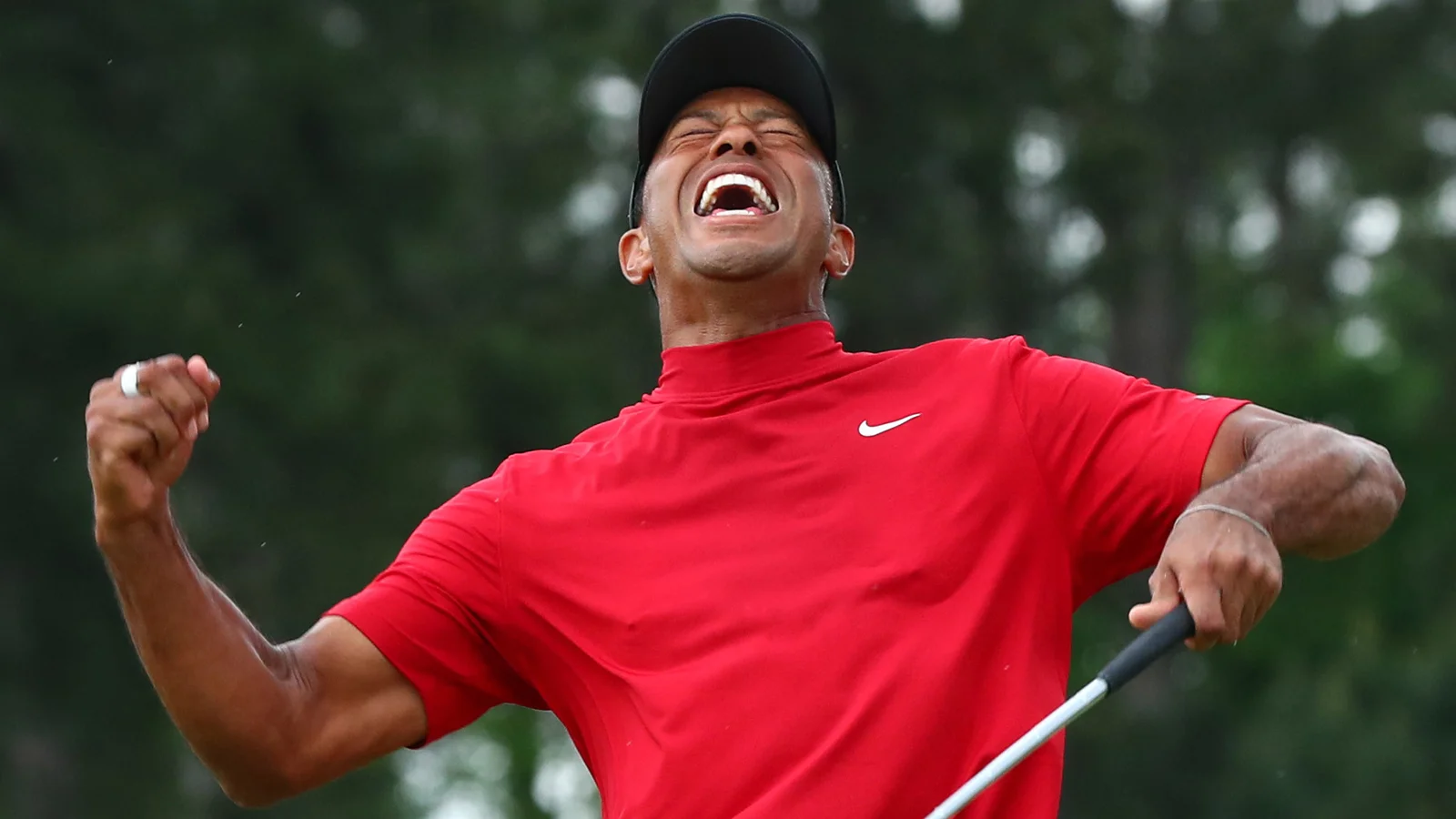
“And, you know, Phil’s crime was maybe disloyalty, maybe greed, but it didn’t rise to anything that you could be charged for.” —Alan Shipnuck, Sports Journalist
The Fallout from Mickelson’s Move to LIV Golf
Phil Mickelson’s decision to join LIV Golf in 2022 was a significant turning point that altered the power dynamics within the golf world. His defection was met with harsh backlash from the PGA Tour, fans, and fellow players, not least because of his outspoken dismissal of concerns regarding LIV Golf’s Saudi funding. Mickelson publicly stated he would overlook accusations against his Saudi benefactors, prioritizing personal financial gain over loyalty to the traditional organization.
This stance severely damaged Mickelson’s reputation both on and off the course, and his status in the player community plummeted. His lawsuit on behalf of LIV Golf alleging conspiracies against the Saudi-backed tour further isolated him from many in the sport’s locker rooms.
In stark contrast, Woods has remained committed to the PGA Tour and displayed a measured, principled outlook regarding the sport’s heritage and future.
“I believe in legacies. I believe in major championships. I believe in big events, comparisons to historical figures of the past. There’s plenty of money out here. The Tour is growing.” —Tiger Woods
Woods’ loyalty and balanced approach have helped solidify his position as a respected elder statesman, while Mickelson remains a controversial figure caught between admiration and disdain.
How Mickelson’s Actions Sparked Major Changes Within the PGA Tour
Despite the damage to his own reputation, Phil Mickelson’s affiliation with LIV Golf triggered significant restructuring within the PGA Tour, forcing it to innovate and compete. His outspoken criticism of the PGA Tour’s “obnoxious greed” and public backing of LIV sparked a player-led revolt aiming to redistribute power and modernize the sport’s governance.
The PGA Tour responded with substantial changes, including a redesigned schedule, introduction of Signature Events with smaller fields and no 36-hole cuts, and offering record-breaking prize purses to retain top talent and audiences. These changes reflect the Tour’s adaptation to a more competitive market influenced by LIV Golf’s challenging presence.
Golf legend Jack Nicklaus has recognized these developments positively, affirming that the Tour’s restructuring has benefited players and enhanced the sport’s appeal.
“They’ve changed their structure. The players now own a piece of what’s going on. Their plan of bringing along with their elevated events and their plan of bringing young players along in the other tournaments has been very successful.” —Jack Nicklaus
Mickelson’s Role as Both Change Agent and Villain
Shipnuck describes Mickelson as a complex figure who sought to drive necessary change but did so through secretive and self-serving tactics. Mickelson’s efforts to simultaneously maintain ties with multiple interests alienated many, leading to his vilification.
“You know, there’s a big part of Phil that needed to be this agent of change, and in a lot of ways, he was right.” —Alan Shipnuck, Sports Journalist
“He was so sneaky, kind of in the shadows, trying to work three sides of the street simultaneously. But instead, you know, he’s been villainized.” —Alan Shipnuck, Sports Journalist
While Mickelson’s decline is largely seen as self-inflicted, Shipnuck acknowledges that the issues he brought to light within the PGA Tour’s structure are legitimate and have prompted needed reforms.
“What’s lost in all the noise is: Phil was right—in some profound ways.” —Alan Shipnuck, Sports Journalist
The Continuing Impact on Golf’s Future and Public Perception
The contrasting paths of Woods and Mickelson underline how personal choices and public loyalty shape lasting legacies in professional sports. Woods’ steady dedication to traditional values of the tour and his ability to recover from personal scrutiny have strengthened his standing with fans and peers alike. Meanwhile, Mickelson’s gamble with LIV Golf, though partly vindicated by ensuing reforms, has left his career in a precarious position, dividing opinion among fans and insiders.
At 55 years old, Mickelson remains a contentious figure in golf, embodying both the quest for change and the high cost of perceived betrayal. As the sport continues to evolve, the actions and reputations of Woods and Mickelson will remain central to discussions about loyalty, legacy, and the future direction of professional golf.