
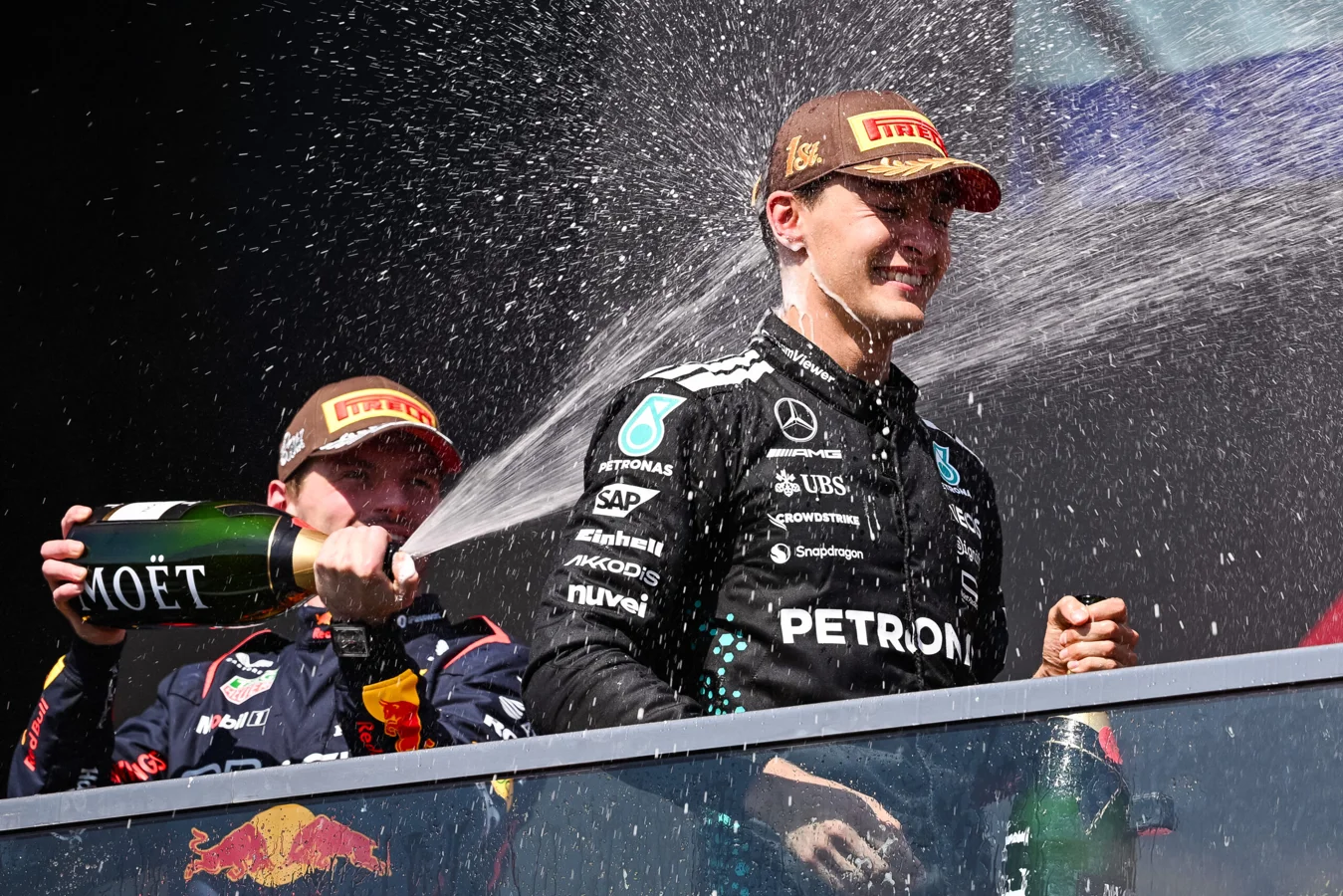

At the Canadian Grand Prix in Montreal, George Russell became a focal point due to his disputed tactics against Max Verstappen under the safety car, igniting strong reactions within the Formula 1 community. The British driver, sharing the front row with Verstappen, who risked a one-race ban after reaching 11 penalty points, was criticized for his controversial driving maneuvers that prompted a heated debate, including a sharp rebuke from Red Bull’s simulator driver Rudy van Buren.
During the race, Russell jokingly referenced Verstappen’s potential ban and then applied a late safety car braking tactic that momentarily allowed Verstappen to overtake him. This led to a double protest filed by Red Bull against Russell; however, the FIA ultimately dismissed the complaints and cleared both drivers of any misconduct. Despite this official clearance, Russell still endured criticism from within the sport’s wider community.
Rudy van Buren Challenges Russell’s Intentions Behind Arresting Safety Car Action
Russell maintained that his actions were fair and that his race victory, earned from pole position, was deserved. Nonetheless, Rudy van Buren openly questioned why Russell felt the need to attempt forcing Verstappen into a penalty under the safety car conditions. Van Buren, speaking under the intense spotlight of live television, expressed ongoing irritation about the incident and did not shy away from criticizing the tactic as unsporting.
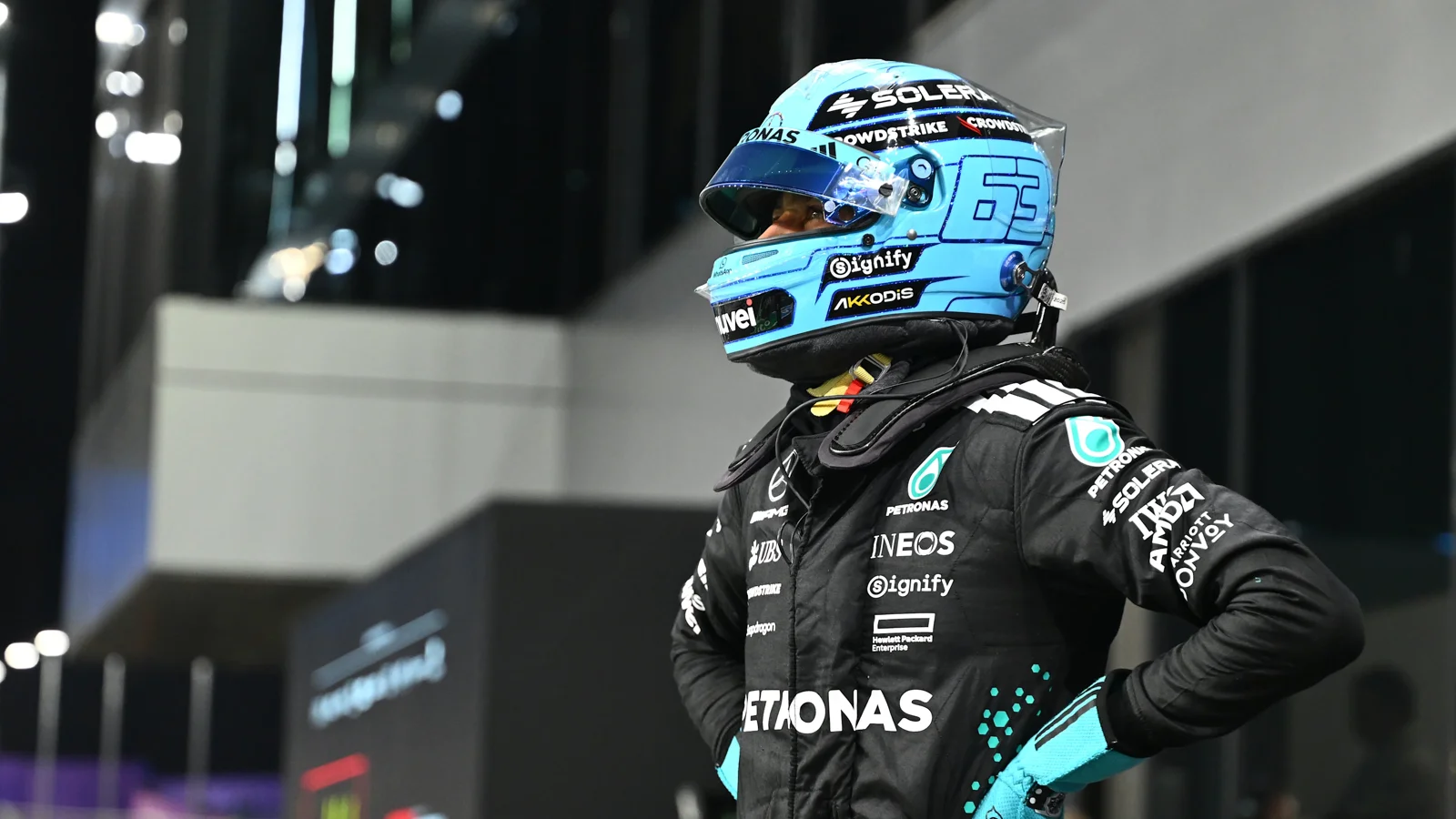
“I said the same thing on television, when asked what I thought about it. Well, because the camera is on, I was slightly irritated. And behind the scenes, a bit more.” —Rudy van Buren, Red Bull Simulator Driver
He went further, condemning Russell’s approach by implying that resorting to such a move reflected poorly on the driver’s character and racing ethos. Van Buren insisted that victories should come from sheer speed and competitive merit rather than tricks aimed at penalizing others.
“But I find that kind of practice… If you need that to take points away from people, you should just look at yourself. And win it on the track.” —Rudy van Buren, Red Bull Simulator Driver
Van Buren Expresses Disbelief Over Russell’s Risky Strategy Despite Strong Race Performance
The Dutch sim driver acknowledged Russell’s strong performance throughout the race but questioned the rationale behind risking his own competitive position for a marginal gain. According to Van Buren, Russell’s efforts to induce a penalty on Verstappen seemed unnecessary, as the Mercedes driver was clearly dominant and deserving of praise for a commanding display.
“That’s exactly why. He was good too, wasn’t he? Do you have to do things like that when you’re actually just running a top race? Where basically everyone should say hats off?” —Rudy van Buren, Red Bull Simulator Driver
Russell and Verstappen’s rivalry has become one of the standout narratives of the 2025 Formula 1 season, captivating fans with its tension and unpredictability. While such controversial tactics generate temporary backlash, they also inject drama and excitement into the title fight, where multiple drivers remain in contention.
Significance of the Controversy Amid a Heated Championship Battle
The Canadian GP incident highlights the intensity brewing as drivers vie for the championship lead, where split-second decisions and psychological tactics can influence outcomes. Russell’s controversial approach, whether strategic or risky, reflects the high-stakes environment of Formula 1 racing, where every advantage is fiercely pursued. Figures like Rudy van Buren illustrate how insiders view the boundaries of acceptable competition, urging drivers to rely on skill rather than contentious maneuvers.
As the season progresses, the rivalry between Russell and Verstappen is expected to continue producing pivotal moments that will shape the championship’s outcome. The discourse around Russell’s actions may also influence how race regulations and driver conduct are enforced in future events, underscoring the ongoing tension between competitive aggression and sportsmanship in Formula 1.