

The collision involving Max Verstappen and George Russell during the Spanish Grand Prix has ignited a heated dispute regarding the FIA’s handling of penalties, particularly the sanction imposed on Verstappen. Fans and analysts have criticized the race stewards for what they perceive as a lenient penalty that contradicts the recently published FIA guidelines on driving standards and penalty points.
During the safety car restart at the Spanish GP, Verstappen went off the track entering the first corner and was instructed by his team to let Russell pass. In the process of conceding the position, Verstappen collided with the Mercedes driver, resulting in the FIA assigning a 10-second time penalty and three penalty points on Verstappen’s super licence. These decisions, however, prompted a wave of criticism as the FIA’s newly released penalty guidelines seemed to suggest harsher consequences for incidents involving intentional or reckless contact.
Fan Reactions Highlight Perceptions of Bias in Penalty Decisions
The FIA’s penalty system clearly differentiates between collisions with no obvious impact and those judged to have deliberate or reckless intent. Collisions without immediate sporting consequences typically incur a 5- or 10-second penalty plus three penalty points. In contrast, deliberate or reckless collisions warrant a more severe penalty—such as a 10-second stop-and-go or time penalties exceeding 30 seconds—and four penalty points.
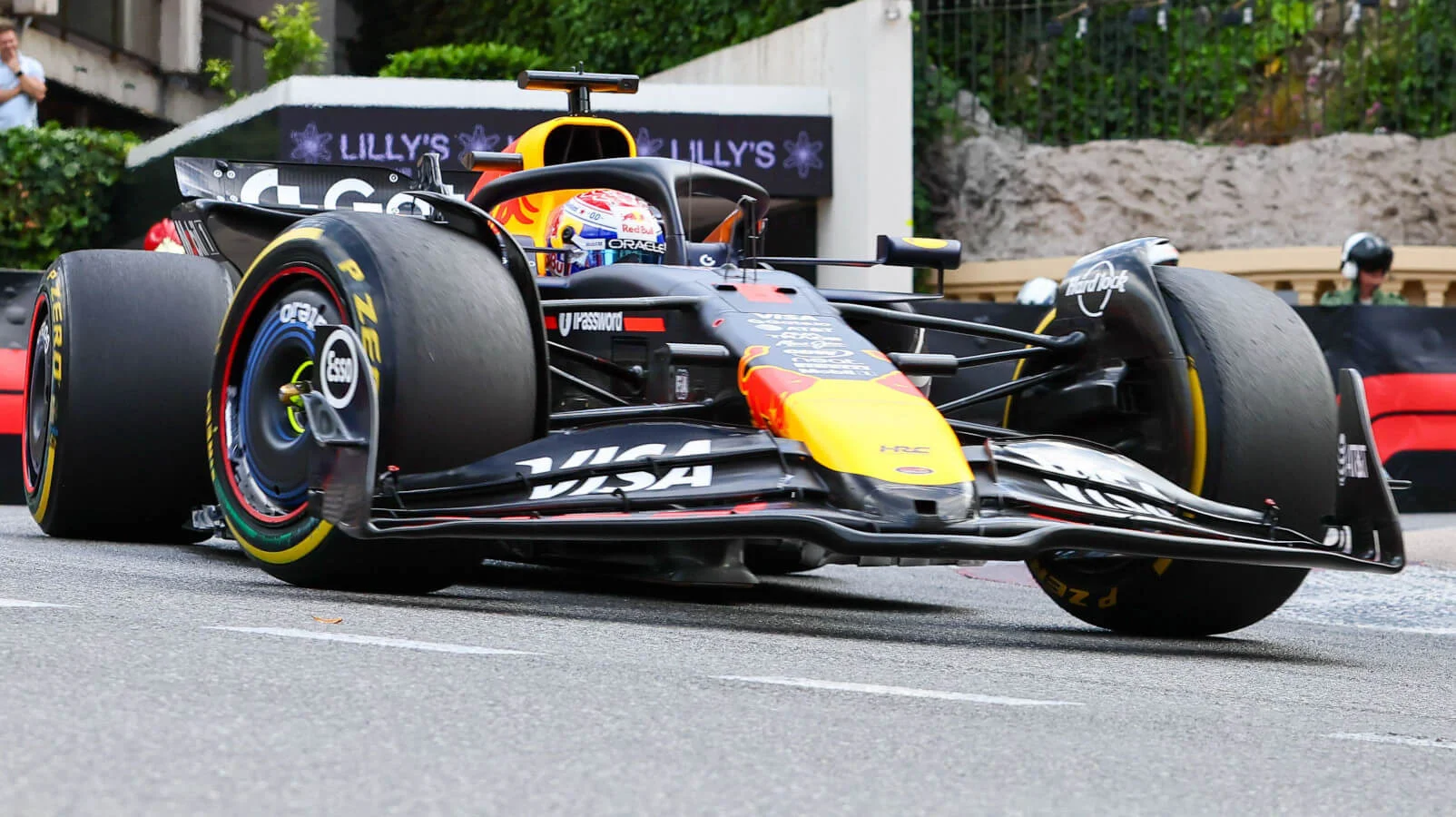
Despite these guidelines, many fans on social media argued that Verstappen received special leniency since his collision with Russell was classified as one without “immediate and obvious sporting consequence.” This led to expressions of frustration and claims of favoritism directed at the Dutch driver.
“Special treatment,” wrote a fan
“As if we don’t all know Max gets special treatment.”
“Max getting special treatment by the FIA is nothing new,” commented another
Had Verstappen been judged to have caused the collision deliberately, he would have earned four penalty points, lifting his total to 12. This would have triggered an automatic race suspension, a sanction fans argued was deserved based on the incident’s nature.
“This is like Saudi ‘21. It was obvious that Max did it on purpose, but the stewards were like naaaahhh it’s bad for the championship if we penalize him harsher. So of course, a smart driver like Max will always push the boundaries,” commented a fan
“It was deliberate though so they were very lenient. Again.”
Some comments also referenced George Russell’s own questionable conduct at the Canadian GP, where he braked abruptly under the safety car, prompting Verstappen to overtake and eventually incur a penalty.
“What about purposefully brake checking under the SC for the sole purpose of getting another driver a penalty?” mentioned a fan
Details on Max Verstappen’s Penalty Points and Future Implications
According to FIA regulations, penalty points remain on a driver’s super licence for twelve months before they expire. Verstappen currently has eleven penalty points, accumulated over the past year. The earliest points on his record, dated to the 2024 Austrian GP incident involving Lando Norris, will drop off following the 2025 Austrian GP weekend.
This timeline means Verstappen’s penalty points could be reduced by two on June 30, immediately after the Austrian GP. However, the stakes remain high: if Verstappen is involved in another incident resulting in penalty points before then, he risks crossing the threshold that mandates a race suspension.
The possibility of Verstappen facing a race ban adds significant pressure given the competitive nature of the current season and his status within the Red Bull team. The controversy over his penalty at the Spanish GP may increase scrutiny on the FIA’s stewarding practices as fans and teams watch closely for consistency and fairness in future rulings.