

As Patrik Laine approaches the final year of his contract and becomes eligible for an extension on July 1, the Montreal Canadiens face a critical decision regarding his future. Despite Laine’s proven goal-scoring ability, the Canadiens should carefully consider whether a contract extension aligns with the team‘s long-term vision.
Evaluating How Patrik Laine Fits with the Canadiens’ Team Identity
The primary challenge with extending Laine’s contract is the disconnect between his playing style and the Canadiens’ current culture. Under coach Martin St. Louis, Montreal has embraced a young, fierce, and hard-working approach that thrives on relentless effort and structure. This identity, based on grit and consistent compete level, has helped the team exceed expectations and secure a playoff berth without relying on Laine’s presence.
Laine’s play, however, has frequently raised questions about effort and engagement. Unlike the Canadiens’ current core, he has struggled with backchecking and two-way play, sometimes appearing disengaged when games do not favor him. For an organization focused on accountability and team buy-in, committing long-term to a player whose mentality doesn’t fully align could undermine their efforts to solidify a cohesive group.
While Laine’s shot remains a valuable asset on the power play, the Canadiens are poised to boost their offensive potential through emerging talents like Ivan Demidov, arguably the most skilled prospect in recent Canadiens history, along with established contributors such as Cole Caufield, Nick Suzuki, and Lane Hutson. This influx of offensive flair means Montreal’s special teams can improve independently of Laine’s involvement, reducing the urgency to secure him as a cornerstone for scoring opportunities.
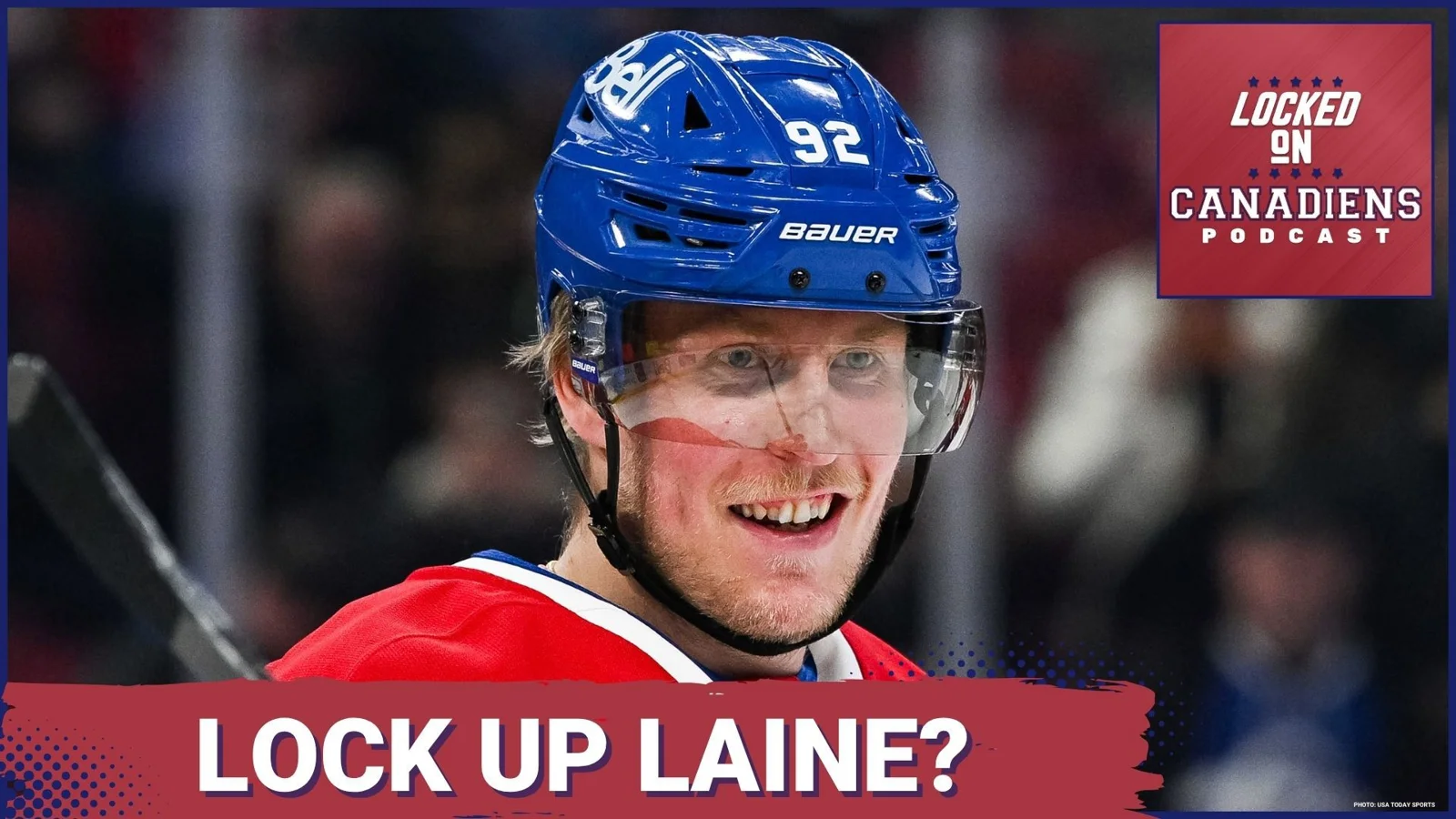
Ultimately, Laine represents a luxury piece who does not embody the foundational character the Canadiens are building, making his long-term role on this roster uncertain at best.
The Financial Risks of Committing to Laine for the Long Term
The potential cost of extending Laine adds another significant concern for the Canadiens. Currently earning $8.7 million annually, Laine is unlikely to return to that exact figure but will probably seek a multi-year deal in the $7 million per year range. For a team still managing salary commitments to its emerging core, such a contract could limit flexibility and hamper future roster construction.
Since the 2018-19 season, Laine has struggled with durability, never exceeding 68 games played in a season due to injuries and personal breaks. Although he has scored at least 20 goals in four seasons since then, he has not approached the 44-goal pace he set early in his career with Winnipeg. Investing in a long-term deal now would represent a gamble that Laine can recapture his previous elite production despite ongoing injury risks and inconsistency.
This uncertainty raises the risk that the Canadiens could be burdened with a high cap hit for a player who may not sustain top-level performance, potentially hindering the team’s ability to grow payroll space for other essential contributors.
Reasons to Delay Any Extension Talks Until More Data Emerges
Even if there is optimism about Laine regaining form and becoming a vital scorer again, there is no pressing need to finalize an extension this offseason. With only 54 games on his resume as a Montreal player, the sample size is too small to fully assess his impact both on and off the ice.
The prudent approach is to move forward into the 2025–26 season with Laine on his current contract, observing whether he can demonstrate durability, consistent production, and a genuine embrace of the Canadiens’ team expectations. Should he exceed these benchmarks, discussions about a contract extension around the trade deadline would be appropriate. Conversely, if he struggles or remains a question mark, maintaining flexibility by avoiding an early commitment preserves the team’s options.
The circumstances surrounding Laine’s arrival further support this caution. He was acquired from Winnipeg alongside a second-round pick in exchange for Jordan Harris, a young but replaceable defenseman. This transaction was a calculated, low-risk attempt by general manager Kent Hughes to capture upside without guaranteed long-term investment. If Laine does not solidify as a core piece, flipping him at the trade deadline could generate valuable assets.
In fact, if Laine plays well during the contract year, his trade value may increase, allowing the Canadiens to capitalize by obtaining picks or prospects and clearing cap space to support their budding core. This strategy aligns with sound rebuild principles, turning an uncertain asset into meaningful future returns.
Balancing Laine’s Potential Against the Canadiens’ Growing Foundation
There is a clear distinction between betting on Laine early in his tenure when acquisition costs were low and committing to a long-term, high-cost contract at this juncture. The Canadiens have spent recent years carefully constructing a team with strong character, accountability, and youthful talent, culminating in a culture that prizes effort and structure.
Laine, despite his undeniable talent, has yet to consistently fit within this framework. Until he demonstrates he can embrace the Canadiens’ identity fully, committing significant resources and term would be premature and risky. Instead, allowing him to play out the upcoming season under his existing contract serves the organization better. If he performs beyond expectations, the club can consider extending or trading him to maximize value.
In the broader context of a rebuild slowly gaining momentum, Montreal must avoid gambles that could unsettle its progress. The team’s foundation is taking shape, and preserving flexibility and culture should take precedence over locking in a player whose role remains uncertain.