
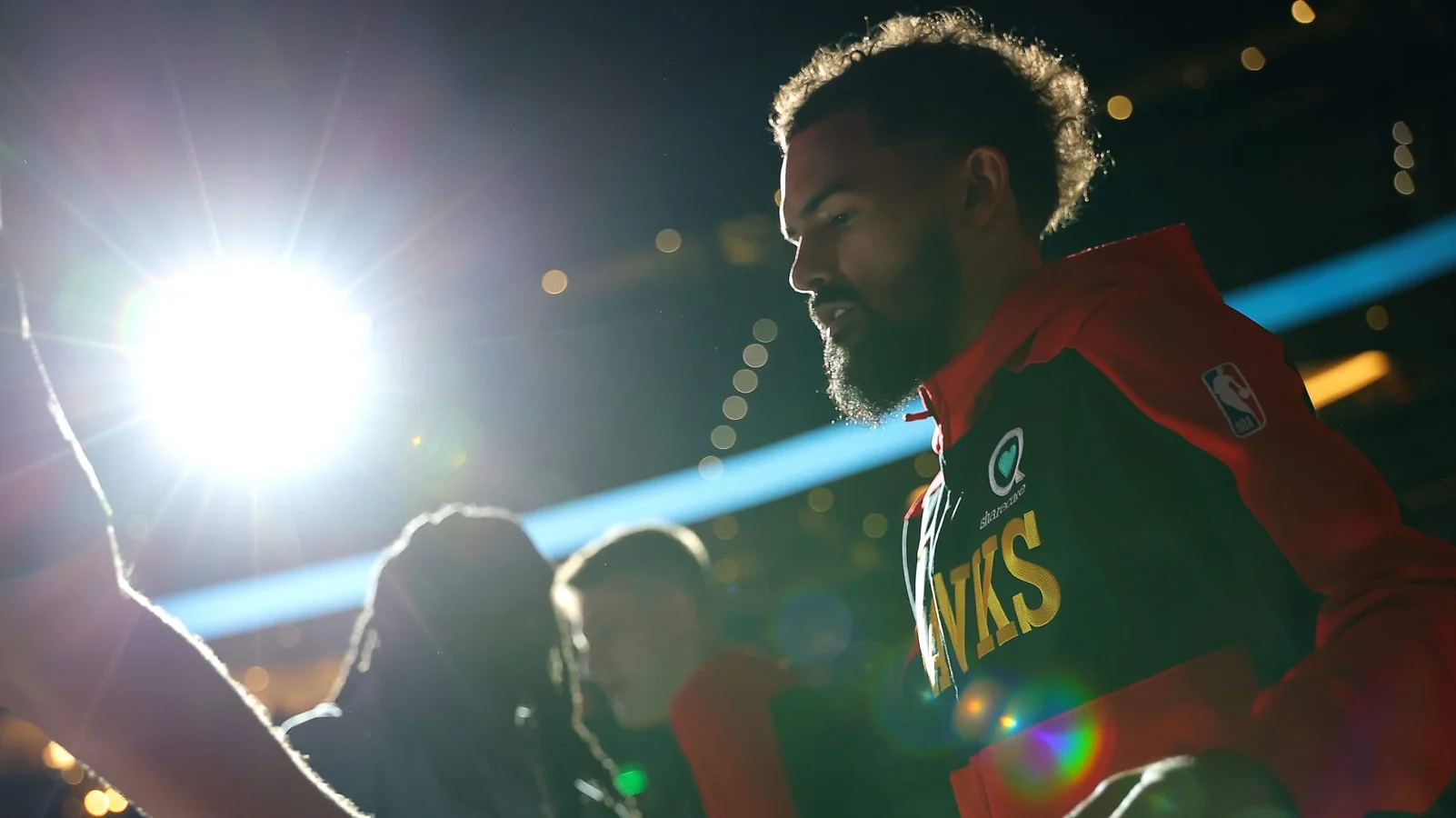

As the Atlanta Hawks prepare for Trae Young‘s eligibility to sign a contract extension this offseason, the Sacramento Kings considered pursuing the four-time All-Star but ultimately decided against it. Concerns over the cost of Young’s extension and his offense-focused playing style contributed to the Kings’ decision to pass on acquiring him.
Trae Young’s trajectory remains a critical storyline this summer, as he is scheduled to earn $46 million next season and holds a $49 million player option for the 2026-27 season.
Kings’ Hesitation Rooted in Financial and Playstyle Factors
According to The Athletic’s Sam Amick, Kings executives evaluated the possibility of acquiring Young but found the financial demands of a contract extension prohibitive. Additionally, the Kings’ roster, which already includes several offense-oriented players, would not benefit defensively from adding Young. Sacramento ranked 23rd in defensive rating last season, highlighting a persistent team weakness that Young’s offensive skills would not address.
Malik Monk handled point guard responsibilities for Sacramento after De’Aaron Fox was traded in February, but Monk is more naturally a two-guard. This overlap complicates the Kings’ backcourt strategy because Zach LaVine also occupies a shooting guard role, making the acquisition of Young less appealing given the Kings’ composition.
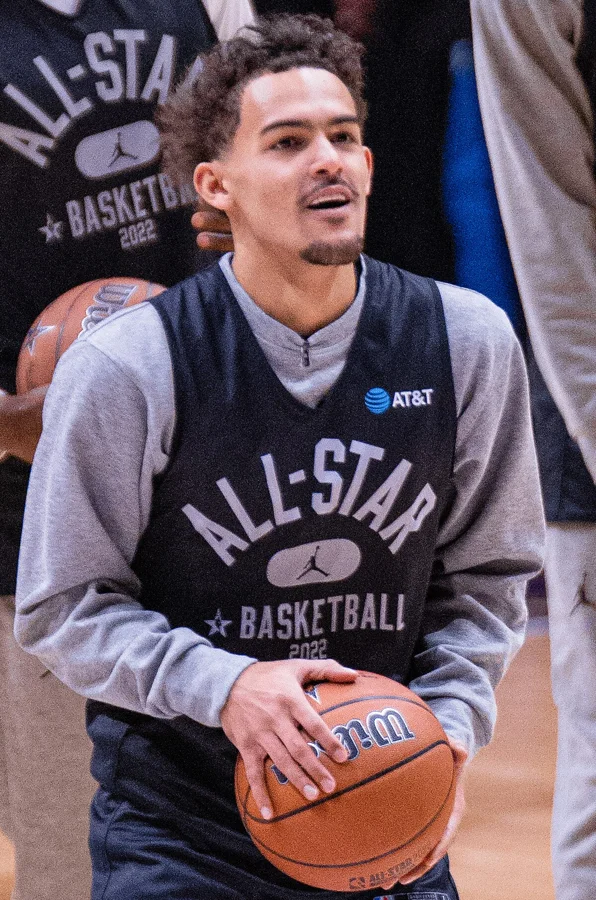
Atlanta Hawks’ Position on Young and Future Roster Decisions
The Hawks retain the option to sign Young to a four-year extension worth up to $228.6 million. New general manager Onsi Saleh has not indicated any intention to move on from Young, though his recent remarks may suggest cautious optimism regarding their future together.
We’re just locked in for next season, ready to move forward, be the best team that we could possibly be moving forward.
— Onsi Saleh, Atlanta Hawks General Manager
Saleh’s statement on being “locked in” with Young refers to commitment for the upcoming season, but the Hawks face a complex financial situation. Choosing not to extend Young could provide more flexibility for long-term planning. Additionally, Atlanta must make decisions regarding Kristaps Porziņģis, recently acquired from the Boston Celtics, and contract extensions for young talents like Dyson Daniels. Guaranteed contracts beyond 2026-27 currently include Jalen Johnson and Onyeka Okongwu, signaling ongoing roster adjustments in the near future.
Sacramento’s Point Guard Needs Amid Roster Challenges
The Kings find themselves in urgent need of a point guard after Fox’s departure in February, yet the available free agent options capable of defensive contributions at that position are limited. Those who can provide a positive impact on defense typically command lower prices than Young’s expected contract demands.
Given Sacramento’s defensive struggles and existing offensive-heavy lineup featuring Monk, LaVine, and Domantas Sabonis, integrating a player like Young would unlikely resolve their defensive deficiencies. This factor played a significant role in the Kings’ decision to avoid pursuing a costly and style-mismatched acquisition.
Implications for Trae Young and Both Teams Moving Forward
Trae Young’s contract extension dilemma is pivotal for the Hawks, who aim to balance competitive ambitions with financial flexibility. The Kings’ choice to forgo pursuing Young preserves their resources for other roster moves that may better address their defensive weaknesses. How the Hawks handle Young’s extension and manage their core roster, including Porziņģis and Daniels, will shape their competitiveness.
Meanwhile, the Kings will likely continue seeking a point guard who fits their defensive and budgetary needs better than Young, as they work to improve a roster that struggled particularly on defense last season. The summer promises important decisions for both franchises as they navigate these challenges.