
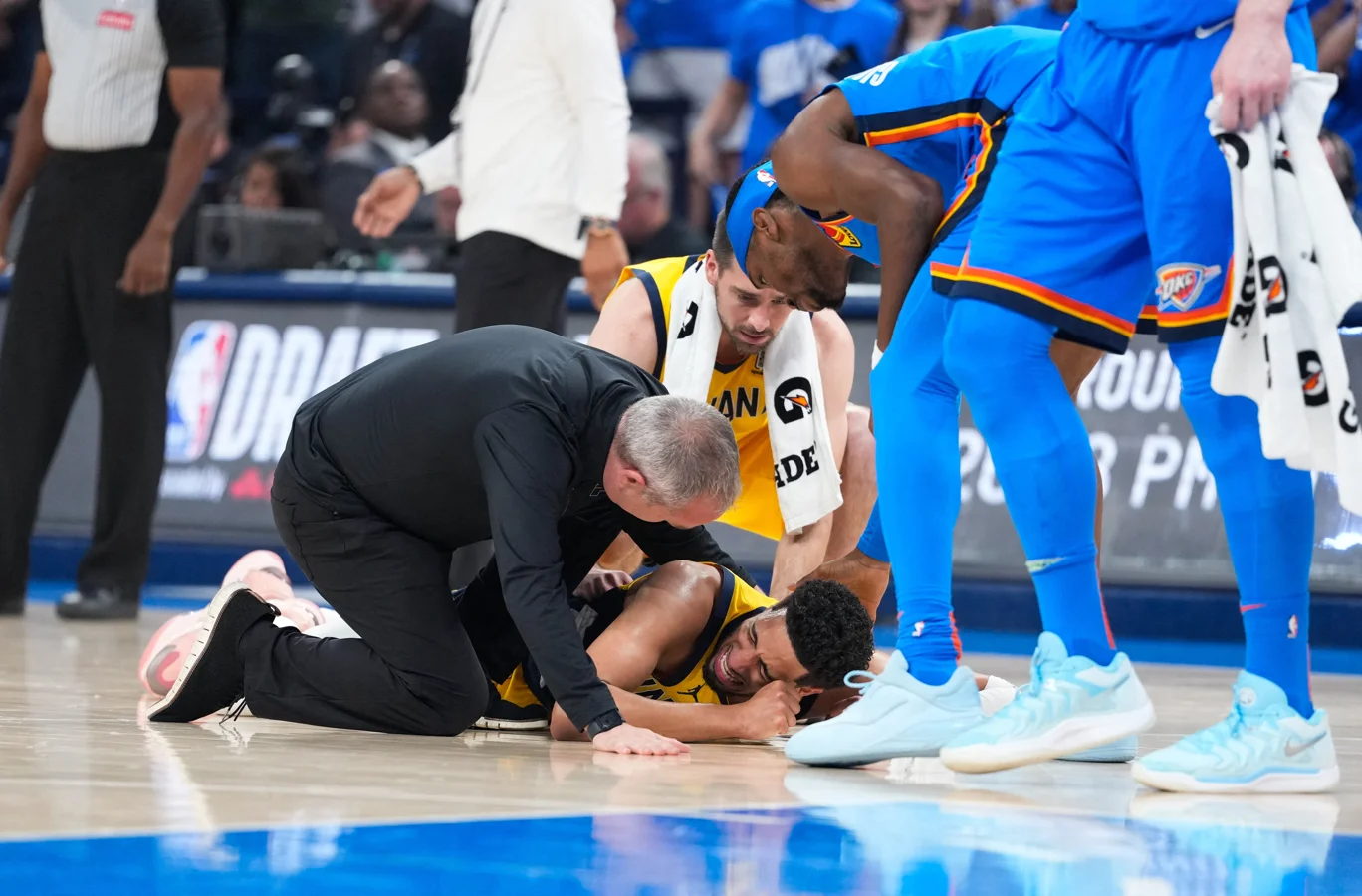

Tyrese Haliburton suffered a torn right Achilles tendon during Game 7 of the 2025 NBA Finals on June 22, a devastating injury that not only sidelines the Indiana Pacers guard for the foreseeable future but also underscores a disturbing rise in career-threatening tendon tears across the league. His Achilles injury, confirmed by MRI and followed immediately by surgery, shines a spotlight on a growing epidemic of Achilles ruptures affecting top NBA players this season.
An Unsettling Spike in Achilles Tendon Injuries in 2025
The 2025 NBA season has witnessed an unprecedented surge in Achilles tendon injuries, doubling previous yearly records and raising urgent questions about the sport’s physical demands. From 1990 to 2023, there were only 45 reported Achilles tears in the league, but this season alone has already seen eight such injuries, a staggering jump from zero last year. This rapid increase has experts and former players alike searching for explanations and solutions.
Matt Barnes, a former NBA player, emphasized the sharp contrast this year:
“There was only 45 Achilles tears from 1990 to 2023. Eight Achilles tears alone in the 2025 season.”
—Matt Barnes, former NBA player
Barnes attributes part of this crisis to early sports specialization, saying,
“These kids are playing way too many specialized sports at a younger age… I played four different sports in high school… Grassroots basketball development, if you’re lucky enough to get to the league, will probably put five years on your body.”
—Matt Barnes, former NBA player
He highlighted how youth basketball programs like AAU are increasing physical wear and tear on players’ bodies by adding excessive playing mileage before they even reach the professional ranks.
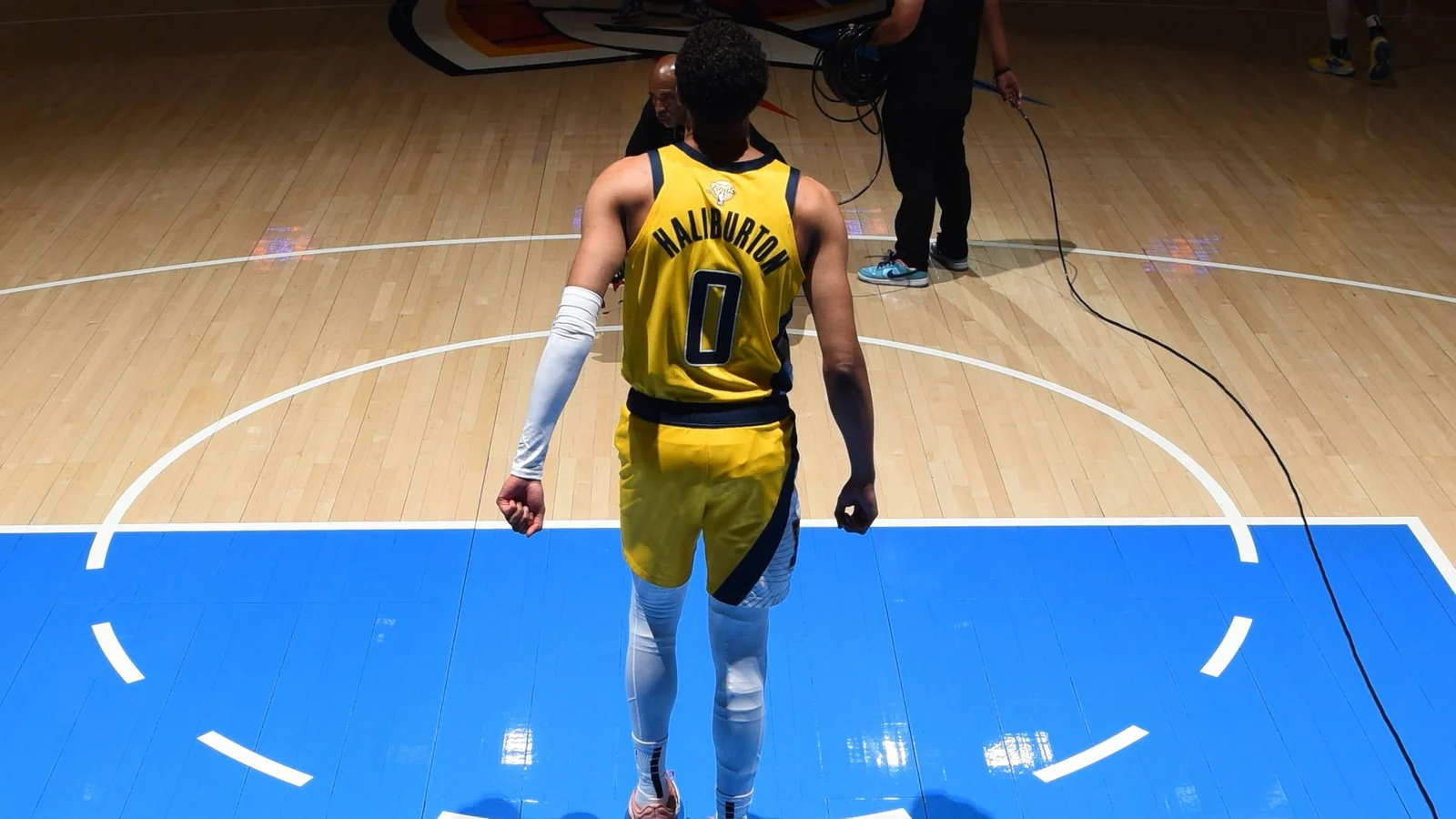
The NBA’s Intensified Pace and Physical Toll
Another factor contributing to the rise in injuries is the NBA’s current style of play, which features a faster pace and fewer rest periods than in decades past. The league is running at a breakneck speed, with an average of 109 possessions per game, the highest since the 1970s. This relentless tempo places extreme demands on athletes’ bodies night after night.
Kevin Durant, a noted star player, weighed in on the topic after dismissing theories blaming low-cut basketball shoes for the injuries:
“Brother, this absolutely has nothing to do with the injury.”
—Kevin Durant, NBA player
Durant’s camp stresses the role of cumulative wear rather than equipment, underscoring the added strain from the grueling schedule and nonstop physicality of the modern NBA game. Barnes echoed this sentiment, noting the exhausting grind players endure while chasing peak performance.
High-Profile List of Players Affected This Season
The number of elite players suffering Achilles injuries this season reads like half an All-Star lineup, emphasizing the severity of the problem:
- James Wiseman – Left Achilles (Pacers opener vs Pistons)
- Isaiah Jackson – Right Achilles (vs Pelicans)
- Dejounte Murray – Right Achilles (vs Celtics)
- Dru Smith – Left Achilles (Christmas Eve)
- Damian Lillard – Left Achilles (1st round vs Pacers)
- Jayson Tatum – Right Achilles (Eastern Conference Finals Game 4 vs Knicks)
- Tyrese Haliburton – Right Achilles (Finals Game 7 vs Oklahoma City Thunder)
Each of these athletes now faces lengthy rehabilitation, with many missing entire upcoming seasons. This surge profoundly impacts teams’ competitiveness and roster stability.
League Response and Ongoing Prevention Efforts
The NBA leadership is not ignoring the crisis. Commissioner Adam Silver revealed that a panel of specialists had already been assembled before Haliburton’s injury to address the sudden spike in Achilles tears. The league is employing artificial intelligence and advanced analytics to review game footage and player movement patterns to try to predict and prevent future incidents.
Silver noted,
“We had already convened a panel of experts before Tyrese’s most recent Achilles rupture.”
—Adam Silver, NBA Commissioner
He also pointed out the unprecedented nature of the spike:
“We had seven this year. We had zero last year under the exact same circumstances. The most we’ve ever had in a season is four.”
—Adam Silver, NBA Commissioner
Addressing player workload, Silver highlighted year-round training demands:
“Modern NBA players, even when they’re not playing games, sometimes in the summer they’re working harder than they are during the season.”
—Adam Silver, NBA Commissioner
This continuous grind without adequate rest contributes to the vulnerability of players’ bodies, increasing susceptibility to critical injuries.
Tyrese Haliburton’s Injury and Recovery Outlook
Haliburton’s Achilles rupture occurred during a high-stakes moment in the NBA Finals, where he had been performing at peak level despite nursing a prior calf strain. His explosive start in Game 7, including three three-pointers in the first seven minutes, abruptly ended with a non-contact collapse that required immediate surgical repair performed by renowned specialist Dr. Martin O’Malley in New York.
His rehabilitation is expected to take between eight and twelve months, virtually eliminating any chance of his participation in the 2025–26 season. Head coach Rick Carlisle has prioritized his careful recovery, resisting external pressure for an accelerated return despite popular social media buzz around his workouts.
Haliburton expressed undiminished determination in a message after surgery:
“I’d do it again… to fight for this city… I have no regrets.”
—Tyrese Haliburton, Indiana Pacers guard
The injury reminds fans and analysts that even young, resilient athletes face daunting recovery challenges. Previous stars like Kobe Bryant and Kevin Durant have returned from Achilles tears, but others, including DeMarcus Cousins, never fully regained their prior form. Fortunately, advances in medical treatment and rehabilitation offer hope for a better recovery trajectory for Haliburton and others.
The Broader Implications for the NBA’s Future
Tyrese Haliburton’s injury symbolizes more than the loss of a franchise player; it marks a critical warning about the physical limits being tested by the current evolution of basketball. The NBA’s shift toward higher pace, increased possessions, and flashy, high-impact plays is exciting but comes at a rising human cost.
Veterans like Matt Barnes and stars like Kevin Durant agree on the seriousness of the situation, urging reflection on how youth development, training loads, and player health strategies must adapt.
As the league invests in cutting-edge technology and expert panels to mitigate tendon injuries, the intersection of performance, player welfare, and longevity remains in sharp focus. Fans may continue to enjoy thrilling fast breaks and highlight-reel dunks, but the strain on players’ bodies is a sobering backdrop to the spectacle on the court.
Tyrese Haliburton deserved better protection, and his injury highlights the urgent need for the NBA and basketball communities to find sustainable solutions before more careers are derailed by similarly devastating tendon injuries.