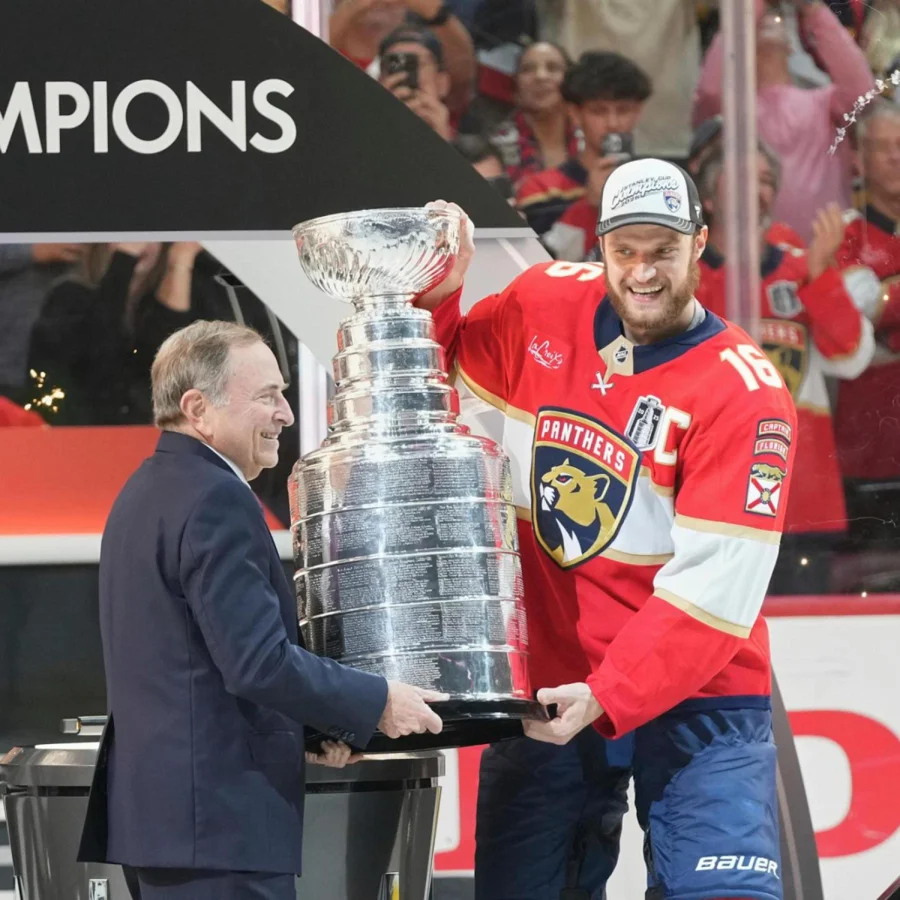
Auston Matthews looks forward to NHL CBA changes, including an extended 84-game season and relaxed dress code.
The NHL is poised for major adjustments in its collective bargaining agreement (CBA), expected to be announced this Friday and to take effect starting with the 2026-27 season. These changes will expand the regular season from 82 to 84 games, restructure player pay, and introduce a relaxed approach to team dress codes. Central to these developments is star player Auston Matthews, whose past comments on personal expression have influenced some of the evolving policies. The shift aims to standardize scheduling by ensuring each division’s teams face one another four times, while pushing back select exhibition matches to balance the season’s length.
Alongside schedule expansion, the NHL salary cap is set to rise sharply from $88 million in 2024-25 to $95.5 million in the immediate next season, and it is projected to reach $113.5 million by the 2027-28 campaign. This salary cap increase opens new contract opportunities for elite players such as Connor McDavid, who may pursue shorter-term deals while leveraging the improving cap ceiling for more lucrative agreements in the future. These financial and structural shifts reflect a significant transformation aimed at benefiting players and teams alike.
Relaxed Dress Code Reflects Player Expression and Modernization
One of the more noticeable cultural changes in the upcoming CBA involves the removal of mandatory dress codes for players arriving and departing from games. Teams will no longer require suits, ties, or formal pants unless specified by the head coach or general manager. This new flexibility corresponds directly with player demands for individuality off the ice, rooted in comments by Auston Matthews, who once said,
Image of: Auston Matthews
“I don’t mind wearing a suit, but it gets old pretty quick. I think it’d be fun to wear different things and be able to express yourself, similar to what the NBA does or even the NFL a little bit.”
—Auston Matthews, NHL Player
Addressing Loopholes in Salary Cap Management During Playoffs
The revised CBA also targets salary cap manipulation tactics used during the playoffs, particularly concerning the Long-Term Injured Reserve (LTIR). Teams have historically utilized LTIR as a way to create additional cap space during the regular season before reactivating key players for postseason play. The controversial use of this tactic came under scrutiny when Matthew Tkachuk was placed on LTIR in March 2025, freeing $8.7 million in salary cap space at a time when he appeared ready to compete. The new agreement aims to tighten rules on LTIR, ensuring it is reserved exclusively for genuine long-term injuries and preventing its exploitation for competitive or financial advantage.
Insights from NHL Leadership on Progress and Prospects of the New CBA
Commissioner Gary Bettman has indicated steady progress in CBA negotiations with the NHL Players’ Association (NHLPA), offering a cautiously optimistic outlook. Ahead of the Stanley Cup Final, Bettman described the interactions as cooperative and professional, with both parties working constructively to avoid past labor disputes. He noted that while no formal deal exists yet, the framework is advancing toward mutual understanding.
Bettman provided additional commentary at the recent Board of Governors meeting in Los Angeles, stating,
“It’s conceivable that there would be an announcement when we reach an understanding, but that understanding is again subject to ratification. We’re not (there) at the moment.”
—Gary Bettman, NHL Commissioner
This statement underscores the measured but positive trajectory of talks, emphasizing the importance of ratification steps before any new terms take effect.
Implications for Players, Teams, and the NHL’s Future Direction
The expected CBA overhauls promise significant implications for players like Auston Matthews and Connor McDavid, whose careers and earnings potential will be directly influenced by expanded seasons and increased salary caps. By increasing the number of games per season, the NHL aims to deliver a more standardized and competitive schedule, potentially increasing fan engagement and revenue opportunities.
Further, the dropped dress code requirements may enhance player individuality and modernize the league’s image, aligning hockey more closely with other major American sports leagues that support personal expression. Meanwhile, closing the LTIR loophole strengthens the integrity of salary cap management during critically competitive periods like the playoffs.
As negotiations conclude and the new CBA’s implementation approaches, the NHL’s landscape is set for an evolution in pace, player conditions, and financial structure. Fans and stakeholders alike will closely watch how these changes unfold and shape the game’s future.