

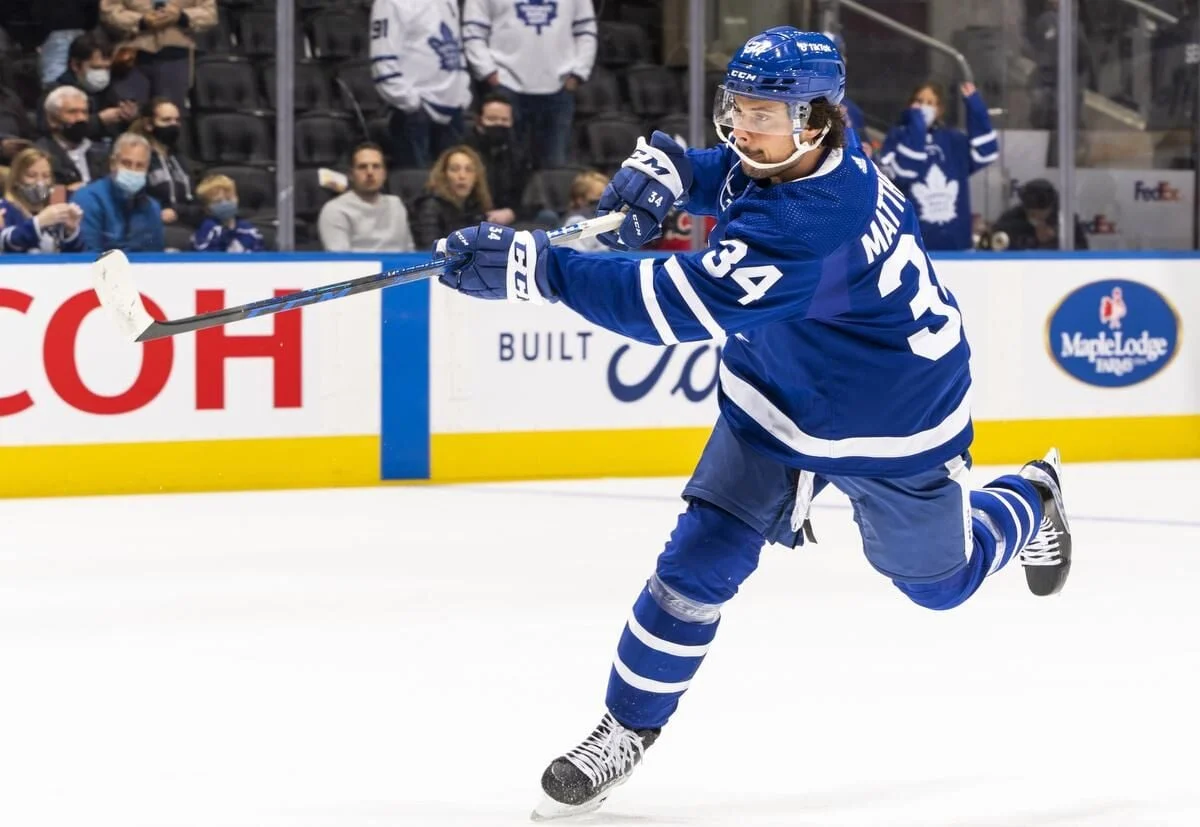
Auston Matthews has emerged as a driving force behind the NHL’s increasing openness to player self-expression through fashion. Known for his skill on the ice, Matthews is now equally recognized for pushing the league to relax its traditional dress codes and allow athletes to showcase their personalities off the rink. His call for change resonates widely:
I don’t mind wearing a suit, but it gets old pretty quick. I think it’d be fun to wear different things and be able to express yourself, similar to what the NBA does or even the NFL a little bit.
—Auston Matthews, NHL Player
The NHL’s Shift Toward Embracing Player Identity
Historically, the NHL upheld a strict dress code that emphasized uniformity and professionalism, prioritizing a polished and consistent appearance for players during public events. However, as attitudes toward self-expression evolve within professional sports, players are seeking more opportunities to display their unique style. Matthews, a prominent figure in hockey, has become a vocal advocate for loosening these constraints. His perspectives align with similar developments in other major leagues, where athletes use fashion to communicate identity and personal values.
The NHL’s gradual acceptance of player individuality marks a significant cultural change. While the league’s leadership has traditionally favored conservative aesthetics, it is beginning to recognize that supporting player self-expression can enhance fan engagement and athlete satisfaction. This transition underscores a broader societal trend toward valuing authenticity and the diverse backgrounds of sports figures.
Influences from the NBA and NFL on NHL Fashion
Matthews’ comparisons to the NBA and NFL highlight how these leagues have long embraced and celebrated player fashion. In those sports, players frequently act as tastemakers, influencing trends both during interviews and at high-profile events such as red carpet appearances. Their style choices often garner media attention and spark new fashion movements among fans. By seeking similar liberties, Matthews suggests the NHL could modernize its image and attract younger, more diverse audiences who appreciate players’ creative expression.
As the NHL begins to relax its dress code, players can explore a wider variety of looks, potentially transforming hockey’s public image. This development suggests a future in which players are recognized not only for their athletic talents but also for their personal style and cultural impact.
How Fashion Reflects Deeper Cultural Changes in Hockey
Beyond aesthetics, this fashion evolution signals a broader cultural shift within the NHL. Allowing athletes to choose their attire freely fosters a more inclusive, welcoming environment that may strengthen the bond between players and fans. Matthews and other players challenging the status quo encourage an environment where individuality is celebrated rather than suppressed, potentially inspiring more openness and creativity throughout the league.
This transition invites speculation about how player expression will influence hockey’s identity moving forward. Will this newfound freedom usher in more innovation on and off the ice? The answer depends on how players embrace the opportunity to redefine what it means to be a part of the NHL today.
Looking Ahead: The NHL’s New Era of Player Expression
The NHL’s embrace of individual player fashion signifies more than a change in attire rules; it represents a vital cultural transformation for the sport. Auston Matthews stands at the forefront of this movement, advocating for a league that values and encourages personal expression. As the NHL continues this journey, it is poised to evolve into a more dynamic and inclusive organization, one that reflects the unique identities of its athletes and connects deeply with a modern fanbase.
This shift holds the promise of revitalizing hockey culture, opening the door to greater creativity, engagement, and relevance in today’s sporting landscape, ultimately making the NHL a trendsetter within the world of professional sports fashion.