
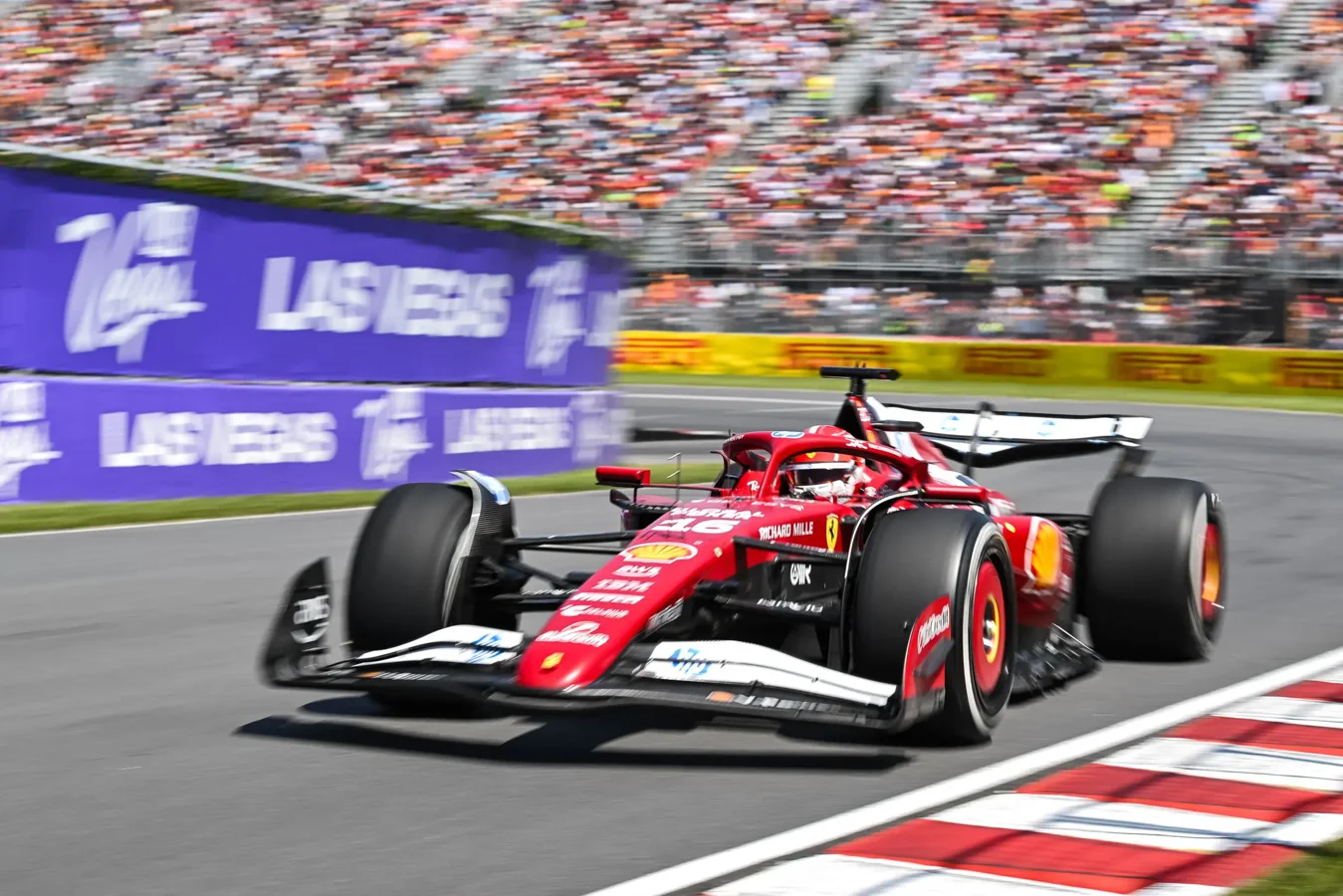

Williams team principal James Vowles has publicly disagreed with Ferrari driver Charles Leclerc regarding the latter’s critical opinion of the new 2026 Formula 1 cars. Leclerc described Ferrari’s virtual 2026 car as
“not the most enjoyable race car I’ve driven so far,”
reflecting his dissatisfaction with the forthcoming regulations, but Vowles offered a more hopeful outlook.
The upcoming 2026 season will introduce significant modifications to Formula 1, including revamped aerodynamics and hybrid power units, featuring an equal split of electric and internal combustion engine power. Changes to car size, weight, and downforce aim to enhance competition and overtaking opportunities, yet some drivers have expressed concern about the new challenges these will bring.
Technical Overhaul Brings Energy Management Concerns
The 2026 Formula 1 regulations mark a notable transformation in car design and performance strategy. The emphasis on a 50-50 hybrid power split creates fresh demands on energy management, an issue Max Verstappen highlighted after his early simulator runs at Monza, where he had to alter gear usage on the straight due to the car’s unique characteristics.
Leclerc’s recent virtual testing at Ferrari’s factory sparked his candid assessment of the car’s feel and driveability, as he voiced reservations that the new formula might reduce driving enjoyment.
“Let’s say it’s not the most enjoyable race car I’ve driven so far but we are still in a moment where the project is relatively new,”
Leclerc said.
My hope relies in the fact that it will evolve quite a bit in the next few months but it’s no secret that I think the regulations for next year is going to be a lot more… probably less enjoyable for drivers to drive.
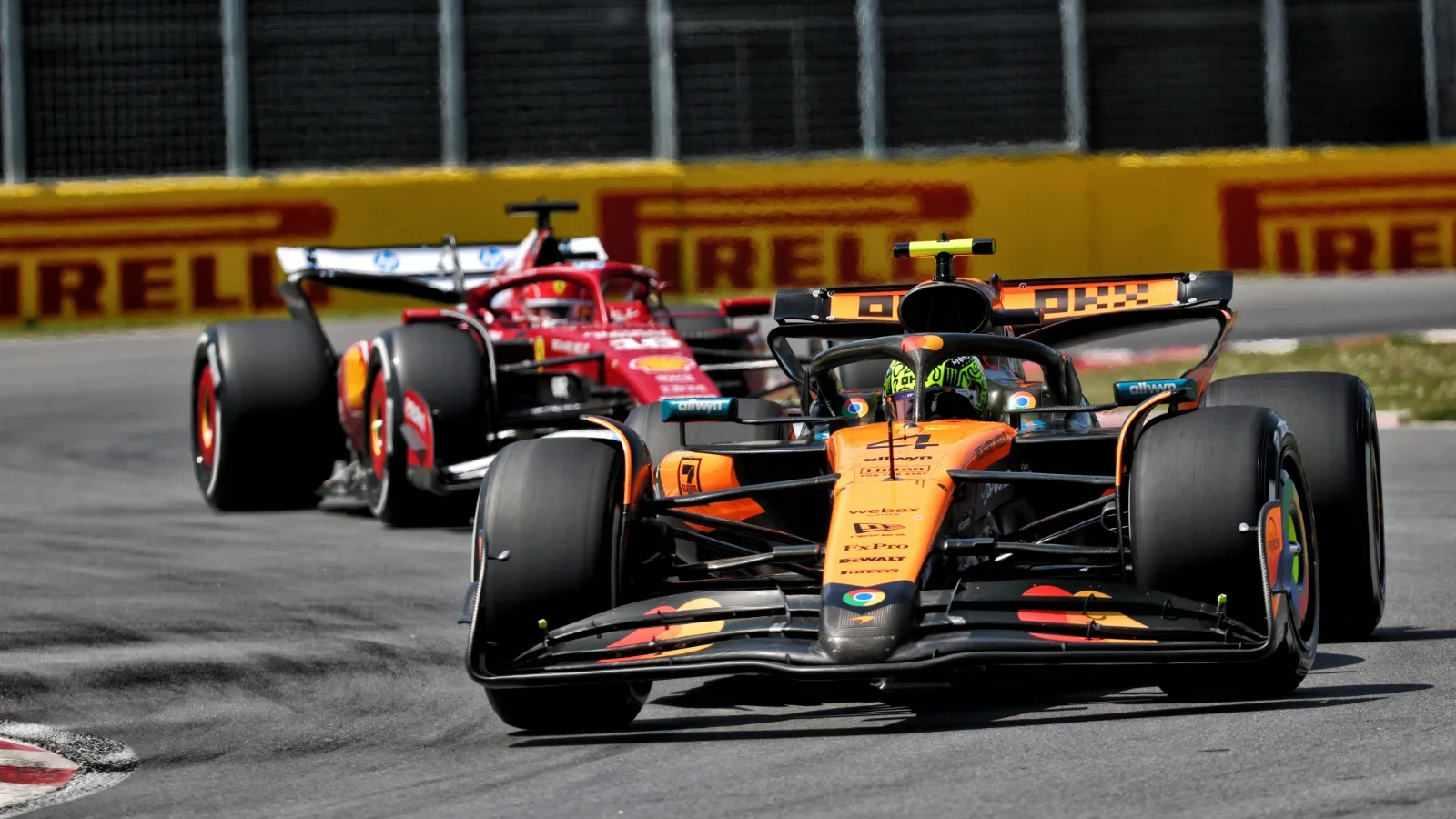
He added,
So yeah, I’m not a big fan of it for now but it’s the way it is and at the end of the day I think there’s a challenge and I would like the challenge of maximising a very different car to what it is at the moment.
Leclerc concluded his remarks with a stark admission:
“But do I enjoy it? Probably not.”
Vowles Expresses Optimism Over Driving Adaptations and Development
In contrast to Leclerc’s pessimism, James Vowles emphasized the need for drivers to adjust their driving styles to suit the new cars and expressed confidence in the overall racing spectacle that the new regulations might produce.
“There was a driving style change that you need to do. It’s like anything. We have to change driving style to adapt to these cars,”
Vowles explained.
No one really wants to be kangarooing along the ground and yet, actually, I think the formula now is quite a good racing series, for what it’s worth.
Vowles also shared his perspective on how his team is progressing, suggesting that Williams is relatively advanced in adapting to the new formula.
“I think it’s probably fair to say we’re advanced relative to other teams in terms of what we’re doing and ‘it gets better,’ is my comment to Charles. It kind of gives us an indication of where they are at the moment in terms of their cycle. I actually don’t think the formula for next year is bad at all.”
Addressing Overtaking and Technical Details for 2026 Cars
Vowles acknowledged that there are still issues to be resolved, especially concerning overtaking and subtle technical adjustments necessary for optimal performance and reliability.
“I think there’s work to be done, because I’m a little bit concerned about how we get the differentiation in terms of overtaking. There’s some real detailed things we’re gonna sort out. Like do we run straight line mode in the wet?”
he said.
He explained that while such technical concerns might seem minor, they have profound impacts on car behavior. For instance, running the cars low and saving straight line mode until late can cause damage to the car’s front end if conditions dry unexpectedly.
“So there’s some details like that we’ve gotta get into and fix, but we will do as a result of it. But actually once you go over the hurdle through, some nice things that come out the other side of it. They’re just not there at the moment, so I’m looking forward to next year, not the other round.”
Development Strategy Combines Wind Tunnel and Conceptual Innovation
When asked whether competitive advantage next year will stem primarily from extended wind tunnel work or from deeper regulatory understanding, Vowles indicated it will be a blend of both approaches.
“I think it’s both, actually, for what it’s worth,”
he commented.
On this year’s car, you’ve heard everyone talk about it, but you’re doing a great job if you can bring out a tenth of the performance of the car in an update.
He noted the scale of performance improvements on 2026 cars will be much greater week to week due to the new regulations, encouraging teams to experiment and explore different development avenues.
“Whereas, of course, next year, new regulations, it’s huge amounts of performance you find week on week. So it is still wind tunnel time. The bigger learning is more, actually, you start going through cycles of, have you thought about this? Why don’t we try this? Why don’t we go in this different direction? Which leads you into completely different avenues.
And that’s the element that allows you to get ahead of time, so it’s not just wind tunnel time.”
Implications for the 2026 Formula 1 Season and Driver Experiences
The conflicting perspectives between Charles Leclerc and James Vowles highlight the challenges of adapting to Formula 1’s major regulatory shift for 2026. While Leclerc’s cautious and critical stance reflects understandable concerns about driver enjoyment and energy management, Vowles’s more measured and optimistic viewpoint suggests that success might depend heavily on how teams and drivers adjust their strategies and driving styles.
Leclerc’s comments are significant given his ambition to secure his first championship with Ferrari, underscoring the pressure on teams to deliver a competitive and engaging driving experience amid these changes. Vowles’s insights suggest that the season will be a period of intense development and adaptation, with technical fine-tuning and aerodynamic innovation playing crucial roles.
As both teams and drivers continue to test and refine the 2026 cars, fans can expect a dynamic evolution in racing style and competition. The challenges of energy management, car behavior in varying conditions, and overtaking potential will remain central to the narrative leading up to the new season, shaping the shape of Formula 1 in years to come.