
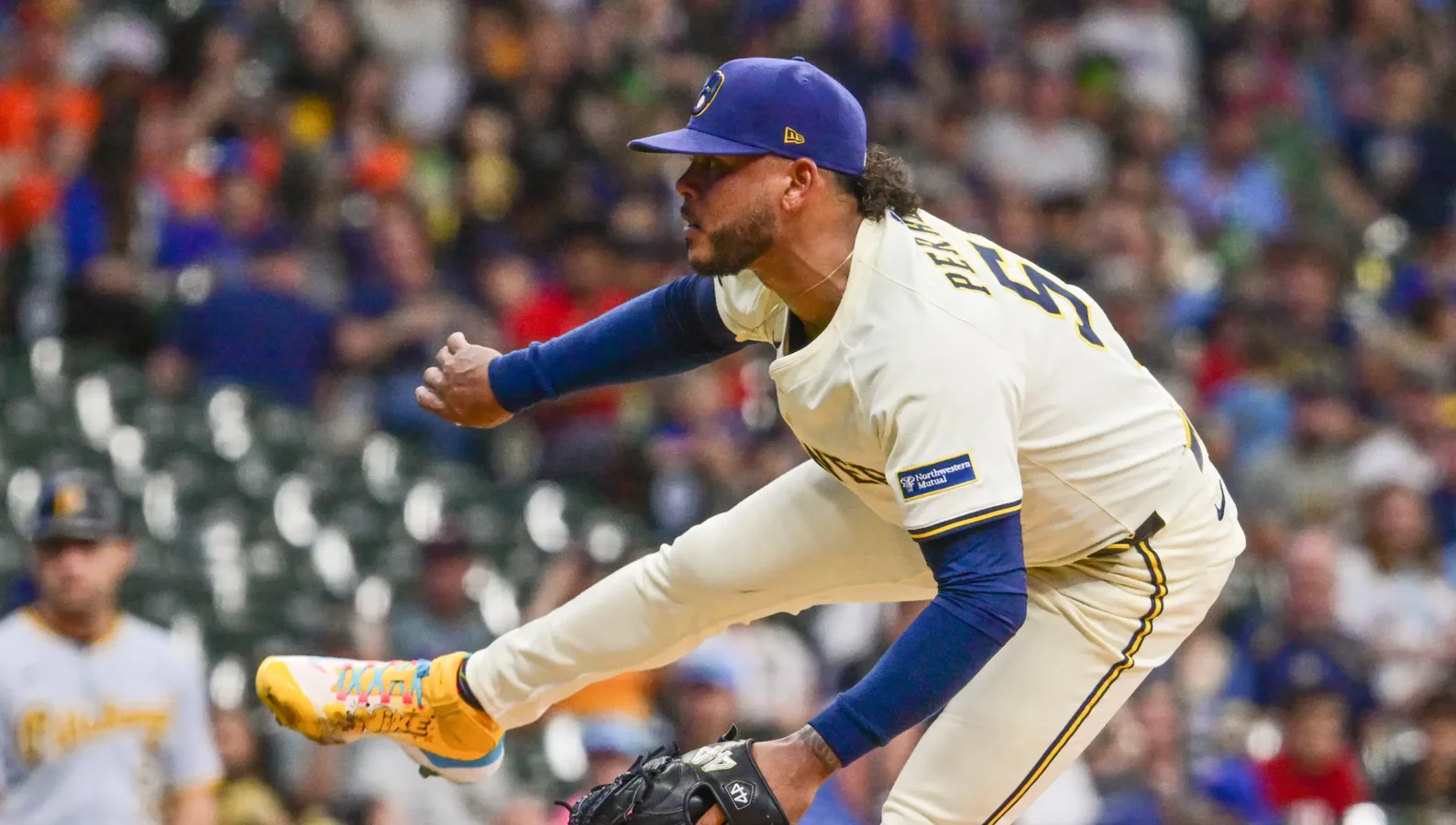

As the Major League Baseball trade deadline nears, the St. Louis Cardinals find themselves weighing the possibility of acquiring new pitching talent to strengthen their playoff push. The focus has turned toward Freddy Peralta, the Milwaukee Brewers’ right-handed pitcher, whose consistent performance and rising fastball velocity have made him an appealing candidate for the Cardinals in their bid for postseason success.
Peralta has delivered reliable innings over the past four seasons, averaging 140 innings annually with a 3.49 ERA. This season, he has increased his average fastball speed to a career-best 94.9 mph, adding to his appeal for teams competing for division titles and deeper playoff runs. Such attributes position him as a valuable asset, particularly for the Cardinals, who are searching for ways to solidify their pitching rotation for the critical stretch ahead.
Rivalry and Division Standings Add Complexity to Potential Deal
The possibility of acquiring Peralta brings additional tension due to the close National League Central race. Currently separated by only 1.5 games, the Cardinals and Brewers are direct rivals battling for the division lead. This proximity in the standings means that the Brewers are unlikely to willingly trade a key player like Peralta to a competitor, making the chance of such a deal taking place relatively low, estimated to be around 20 percent.

This competitive rivalry significantly complicates trade negotiations, as the Brewers face the risk of strengthening a team they are closely matched against. Such reluctance reduces the likelihood that the Cardinals will be able to secure Peralta, despite their evident interest. This rivalry tension underscores the broader strategic challenges both clubs face as they navigate the deadline period.
The Cardinals’ Balancing Act Between Present Needs and Long-Term Goals
The Cardinals are confronted with a strategic dilemma: whether to pursue immediate reinforcement through acquiring an experienced pitcher like Peralta or to protect their future by holding onto promising prospects. Trading top-five prospects for short-term gain would represent a departure from their recent emphasis on building a sustainable roster long term.
This decision is complicated by the potential risks of disrupting the club’s carefully planned development pipeline. While adding Peralta could improve the likelihood of postseason success this season, it may come at the expense of future depth and growth. Balancing these competing priorities requires caution, as the Cardinals strive to remain competitive now without sacrificing the foundation of their team going forward.
Uncertain Prospects for a Trade with High Stakes
Despite enthusiasm among fans and analysts, a trade involving Freddy Peralta remains largely hypothetical. The difficulty of executing inter-division deals, especially during a playoff race, often leads to hesitation among teams. The Cardinals must consider alternative moves that better align with their overall vision rather than pursue a high-profile acquisition that could introduce imbalance.
Even if the Cardinals manage to surpass the Brewers in the standings, convincing Milwaukee to part ways with Peralta remains unlikely. The Brewers’ intent to protect their competitive position dampens the probability of such high-stakes transactions, regardless of offers that may be presented.
What Lies Ahead for the Cardinals and Their Trade Plans
As the deadline approaches, the Cardinals face a pivotal moment that will shape their season’s trajectory. Decisions regarding Freddy Peralta or other significant roster additions will require careful evaluation of the trade-offs between immediate competitive needs and sustaining long-term success. The outcome will influence not only their current playoff aspirations but also their future as a franchise.
Ultimately, this situation highlights the intricate challenges teams endure beyond the game itself. The strategic maneuvering behind the scenes often plays as significant a role as on-field performance. Fans and analysts alike will watch closely as the Cardinals navigate these complexities, hoping their choices will lead to sustained strength in the highly competitive National League Central.