

Kyle Larson, the renowned driver for Hendrick Motorsports and 2021 NASCAR Cup Series champion, faced a harrowing moment last year that underscored the dangers of professional racing. During the GEICO 500 at Talladega Superspeedway, Larson was involved in a major crash on lap 48, prompting renewed attention to Kyle Larson NASCAR safety concerns. This incident brought to light how quickly situations on the track can escalate, raising questions about existing protective measures.
The crash was triggered when Ross Chastain shifted his vehicle into the middle lane and collided with Noah Gragson, who then slammed into the wall. Larson’s car spun into the grass before re-entering the middle of the track, where Ryan Preece struck him from the right side. The impact was so severe that Preece’s helmet visor was forced open, demonstrating the sheer force involved.
Following the crash, Larson and other drivers openly addressed the risks inherent in the sport. Despite NASCAR’s reputation for prioritizing safety, Larson expressed concern about the potential consequences of such high-speed collisions.
“You see things that could have easily gotten me in the car, whether it be the bars that had completely broken off and could have shanked me. Or what if I had a second impact? There’s no other form of racing, in my opinion, that takes safety more seriously than them, but that doesn’t mean the sport is safe,” Kyle Larson said via AP
Thankfully, both Larson and Preece emerged physically unharmed, but the accident sparked a broader conversation about driver safety standards in NASCAR, emphasizing that continued vigilance and improvements are necessary to protect racers.
Kyle Larson’s Perspective on Racing and the Personal Toll It Takes
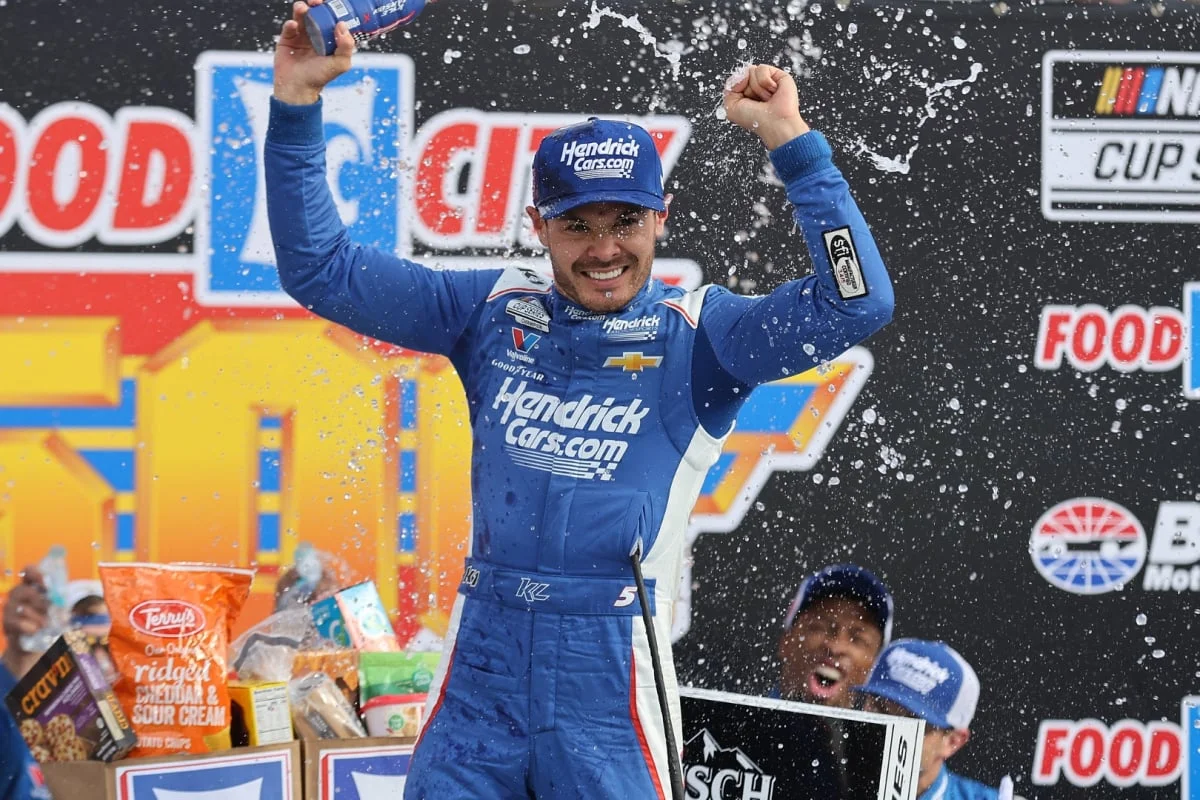
Beyond his role as a leading competitor in NASCAR, Kyle Larson participates in various motorsport disciplines, including the Cup Series, Xfinity Series, IndyCar, and dirt track racing. This demanding schedule reflects Larson’s desire to excel, but it also comes with significant personal sacrifices.
Earlier this year, Larson sought to achieve a rare feat known as the “double” by competing in the Indy 500 and the Coca-Cola 600 NASCAR race on the same weekend. Unfortunately, both attempts ended prematurely due to crashes. The physical and mental toll of such intense competition takes a clear personal toll, as Larson revealed in a conversation with Jimmie Johnson and Marty Smith on the Never Settle podcast.
“I haven’t been home since before Indy. I think I will be home 5-6 days before the end of August. So, it’s been a bit crazy. I haven’t seen my family a whole lot, so missing them for sure.
“It’s been a grind, but I feel like the age that I am at, I wanna take advantage of these years while I have the energy and the ability too.” Larson said via the Never Settle podcast
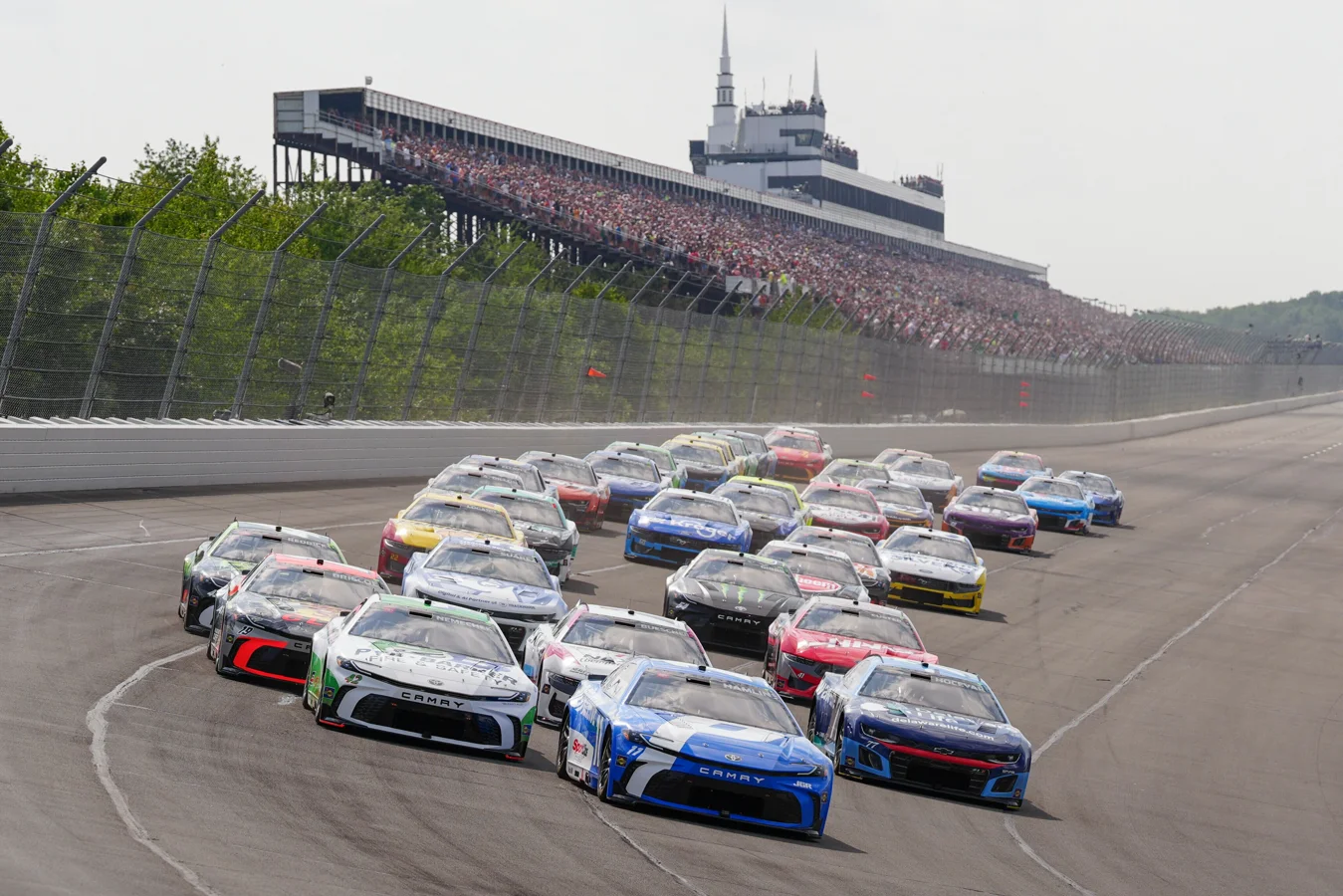
Despite the challenges, Larson remains a top contender this NASCAR season. Currently second in the Cup Series standings, he finished seventh at the most recent race held at Pocono Raceway. His next competition will take place in Atlanta, where he aims to continue strong performance amid the demanding schedule.
The Importance of Continued Safety Measures in NASCAR’s Future
Kyle Larson’s near-tragic crash serves as a stark reminder of the unpredictable dangers faced by NASCAR drivers every race weekend. While NASCAR is widely recognized for its rigorous safety protocols, incidents like the GEICO 500 demonstrate that no system is infallible. Larson’s firsthand experience underscores the need for ongoing development in crash protection and track safety improvements to better shield drivers.
This crash and Larson’s openness about the risks highlight the sport’s balance between thrilling competition and the critical responsibility to safeguard its participants. As Larson continues to compete at the highest levels, his advocacy and insights may influence future safety enhancements that protect drivers without diminishing the sport’s intensity. NASCAR fans and stakeholders alike will be closely watching how these concerns shape the evolution of racing safety standards in the coming years.