
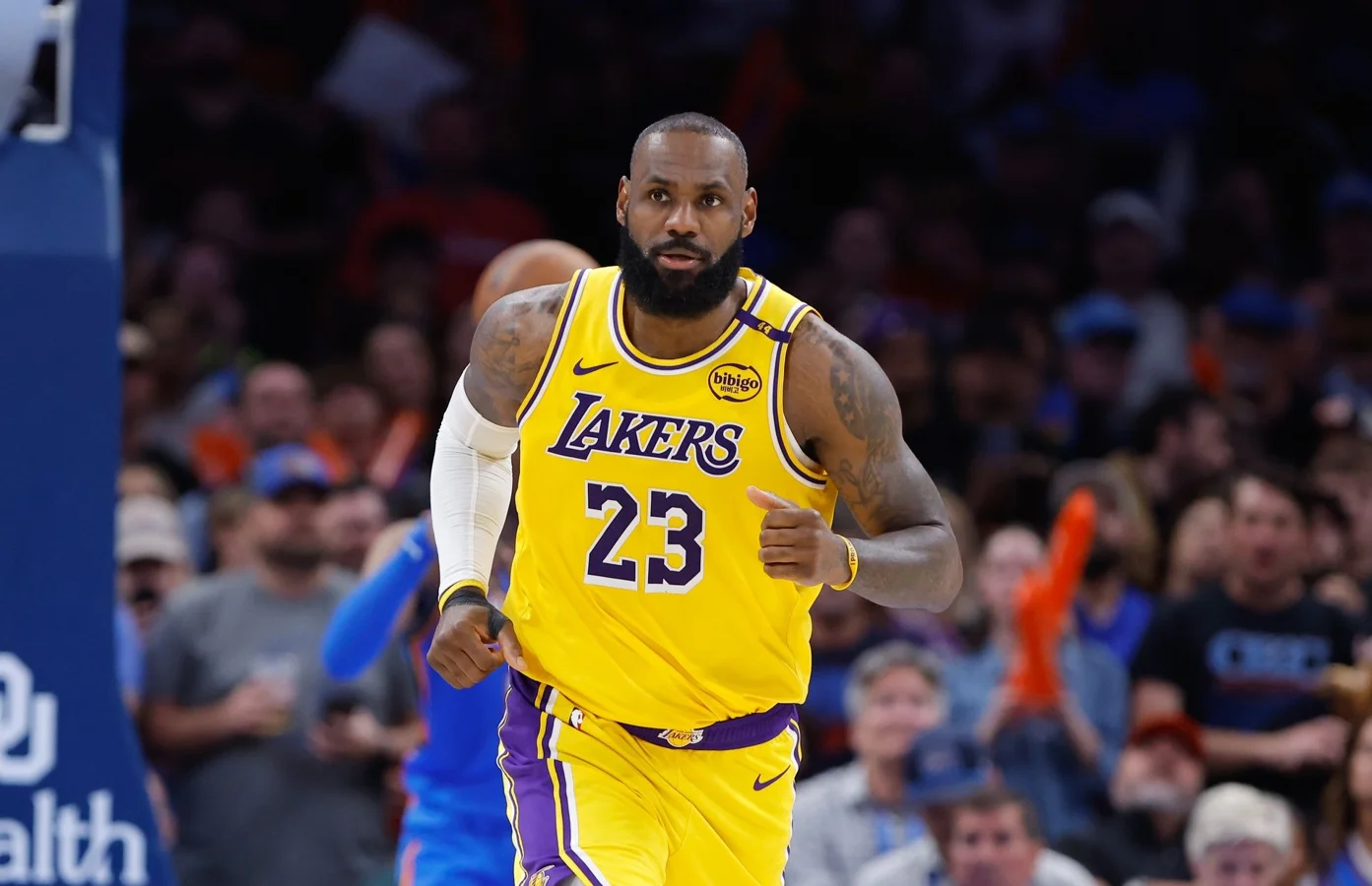

Michael Beasley, a forward known for his scoring ability, recently shared how actions by Shaquille O’Neal and LeBron James affected him deeply during his NBA journey. Reflecting on the emotional impact, Beasley discussed moments when he felt misunderstood and unsupported by these prominent figures, highlighting the painful emotional scars left by such experiences.
This revelation comes amid growing awareness of the emotional wellbeing of NBA players, a topic that has gained significant attention as the league shifts toward fostering mental health support among its athletes. Beasley’s story brings to light how even the most successful players’ interactions can influence the emotional lives of their peers.
The Changing Nature of Emotional Bonds in the NBA
The NBA’s culture around player relationships has evolved considerably over time. In previous decades, players struggled quietly with personal issues, often without an outlet or support system within the league. Unlike the past, today’s NBA encourages openness, where players show vulnerability and support one another through emotional hardships.
This development is exemplified by recent moments such as the league-wide solidarity shown after Tyrese Haliburton’s injury during the Finals, underscoring a strong sense of brotherhood that transcends competition. These emotional connections mark a shift from the more isolated environment many veteran players experienced, including Beasley.
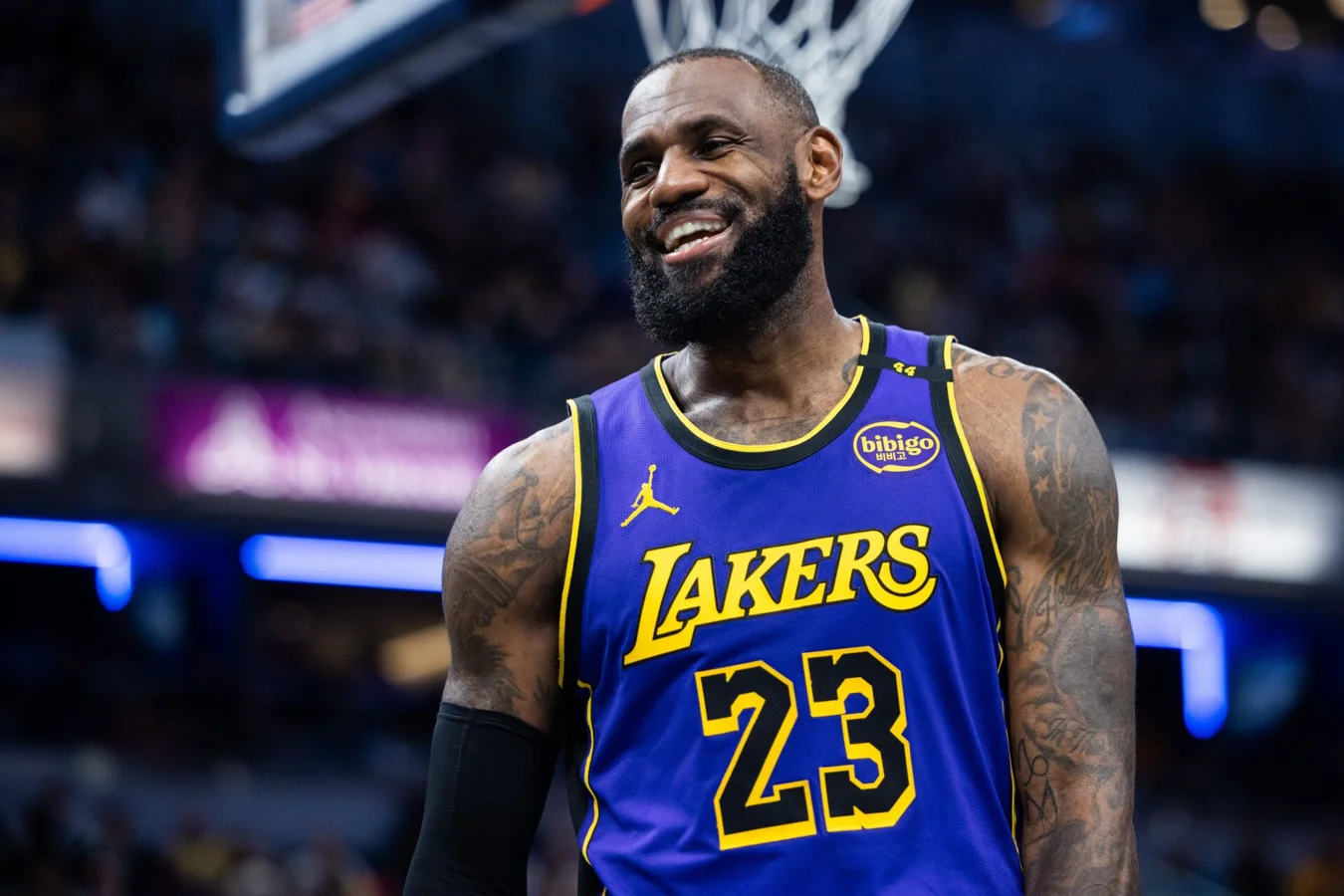
How Shaq and LeBron James’ Reactions Affected Beasley
Beasley recalled specific episodes where the conduct of Shaquille O’Neal and LeBron James left him feeling sidelined and emotionally bruised. The pain was not born out of direct conflict but instead stemmed from perceived abandonment during critical points in his career. While recognizing the immense success of Shaq and LeBron, Beasley emphasized how their lack of engagement in certain moments contributed to his sense of isolation.
These experiences highlight the delicate nature of relationships in a competitive sports environment, where actions—or the absence of them—carry significant emotional weight for younger players trying to find their footing.
Reflecting on Resilience and the Importance of Empathy in Professional Sports
Beasley’s candid reflections offer insight into the emotional challenges faced by athletes and underscore the vital role empathy plays within the NBA community. His experiences resonate with many players who have felt the pressure of expectations alongside personal struggles, reminding fans and league officials alike that success on the court does not shield one from emotional hardship.
By openly discussing these feelings, Beasley contributes to a broader dialogue about mental health and emotional support, advocating for a more compassionate atmosphere in professional basketball.
Looking to the Future: Hope for Greater Support Among NBA Players
As the NBA moves forward, Beasley’s story serves as a powerful example of how emotional wounds, if acknowledged and addressed, can drive positive change. The league’s enhanced focus on mental health reflects a growing understanding that players’ wellbeing extends beyond their athletic performance.
With increased emphasis on community and support, future generations of players may find a more nurturing environment that encourages both personal growth and professional success. Beasley’s experiences emphasize the need to prioritize players’ emotional needs, promising a future where empathy and understanding become core values throughout the NBA.
“While both O’Neal and James have achieved monumental success, their interactions—or lack thereof—during pivotal moments in my career felt dismissive, leaving me emotionally bruised.” —Michael Beasley
“The actions of influential figures like Shaquille O’Neal and LeBron James can carry significant weight, shaping the experiences of younger players in profound ways.” —Michael Beasley