
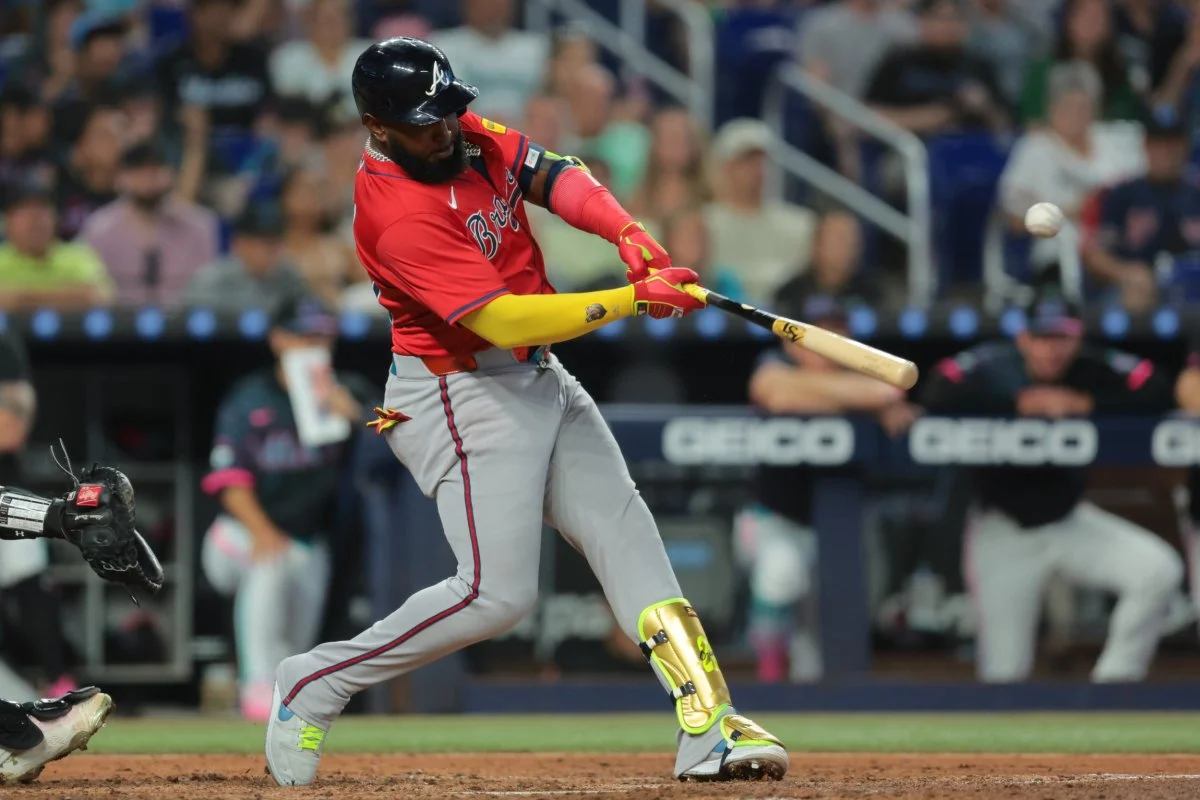

As the Atlanta Braves grapple with a season marked by uneven performance, Marcell Ozuna has become a focal point in trade discussions. With the team hovering near a .500 record this year, the Braves are reevaluating their roster, and Ozuna’s trade future is central to these deliberations. The veteran outfielder, now in his 13th Major League Baseball season, has posted a batting line of .247/.379/.406 over 335 plate appearances, including 11 home runs and 40 RBIs, raising questions about his role moving forward.
Ozuna’s Control Over His Career
Marcell Ozuna’s situation is complicated by his full no-trade clause, a status earned by players with ten years of service and at least five seasons with the same team. This right grants Ozuna significant control over any trade, allowing him to reject deals that do not suit his preferences. This autonomy presents challenges for the Braves’ front office, as they must weigh both Ozuna’s on-field contributions and his willingness to accept potential moves when considering trade options.
Assessing Ozuna’s On-Field Performance
While Ozuna’s on-base percentage of .379 suggests he still has the ability to get on base consistently, his overall batting average of .247 indicates some decline in effectiveness. His 11 home runs highlight his ongoing power threat, but inconsistencies at the plate limit his appeal for teams seeking reliable offensive production. The Braves must balance whether his current output justifies retaining him or if a trade could better serve the team’s evolving needs.
The Braves’ Strategic Choices at the Deadline
With the trade deadline approaching, Atlanta finds itself at a crossroads. The decision surrounding Ozuna’s future will depend not only on his willingness to be traded but also on how the Braves envision their postseason and roster composition. A trade involving Ozuna could open up opportunities for emerging players or experienced veterans who fit the club’s direction, signaling a possible shift in strategy as the Braves aim for sustained success.
Broader Implications for the Braves’ Future
The scenario involving Marcell Ozuna reflects the complex balancing act MLB teams face today—juggling player autonomy, team performance, and long-term planning. The Braves’ decisions in the immediate weeks ahead will influence both their current competitive prospects and the franchise’s future. As Ozuna holds the authority to accept or reject any potential trade, Atlanta must navigate these choices carefully to align their short-term goals with sustained team growth.
“Ozuna’s unique position complicates the Braves’ decision-making process due to his full no-trade rights, which give him control over any trade involving him.”
—Front Office Analyst
“The balance between player autonomy and team strategy will be tested as the season progresses and pivotal decisions are made.”
—Sports Commentator