
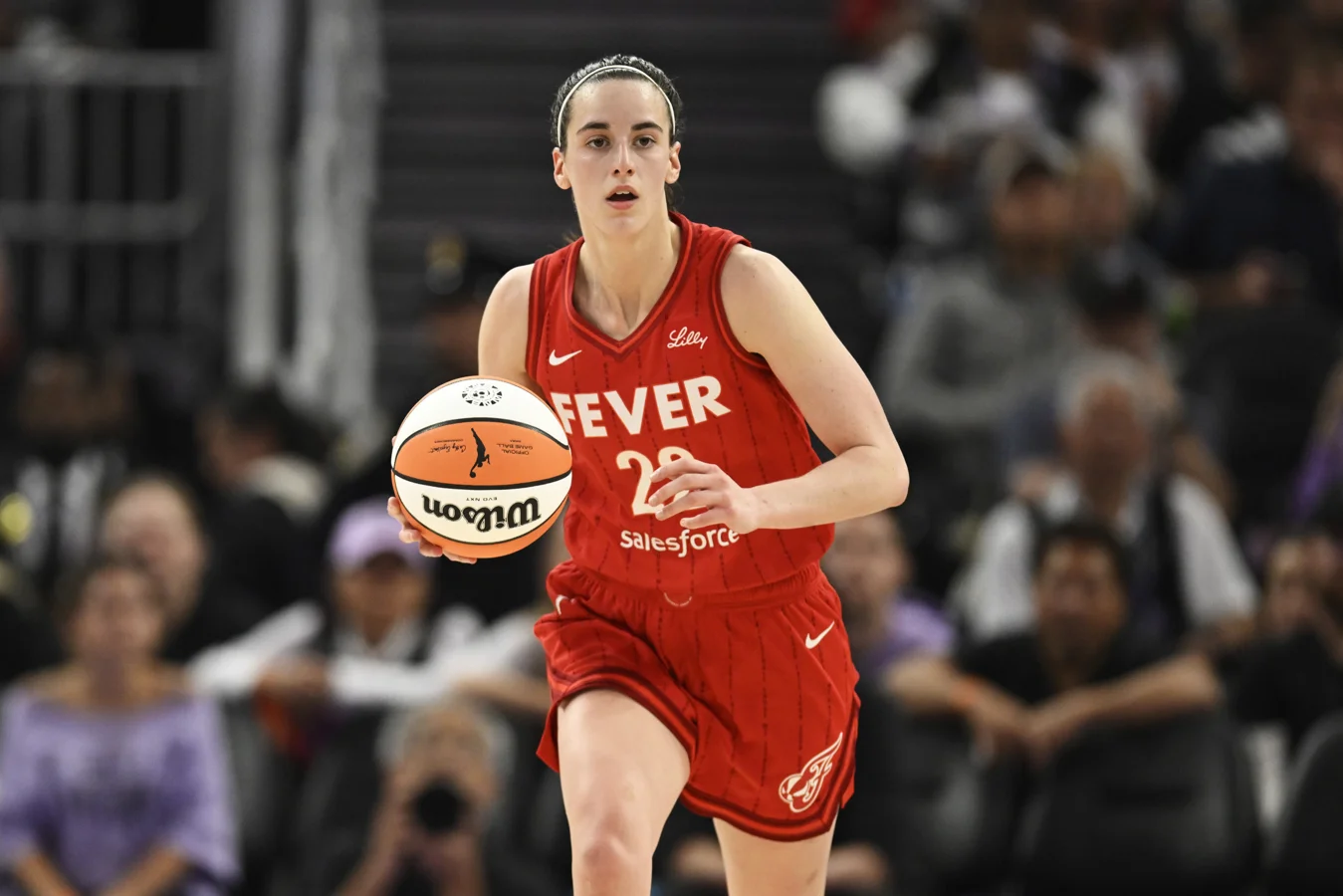

Indiana Fever guard Caitlin Clark secured the 2024 WNBA Rookie of the Year title, earning 66 out of 67 votes available. The single remaining vote went to Chicago Sky forward Angel Reese, highlighting competitive recognition between these two emerging stars.
Contrasting Beginnings for Two Prominent WNBA Players
Clark, selected first overall by Indiana, delivered a remarkable debut season with averages of 19.2 points, 5.7 rebounds, and 8.4 assists per game. Meanwhile, Reese posted historic numbers in her own right, averaging 13.6 points and 13.1 rebounds through 34 games, often leading in double-doubles. Their differing roles and physical profiles—Clark as a 6-foot point guard and Reese as a 6-foot-3 forward—have drawn ongoing comparisons since their college days at Iowa and LSU, respectively.
Unexpected Shooting Statistics Capture Fan Attention
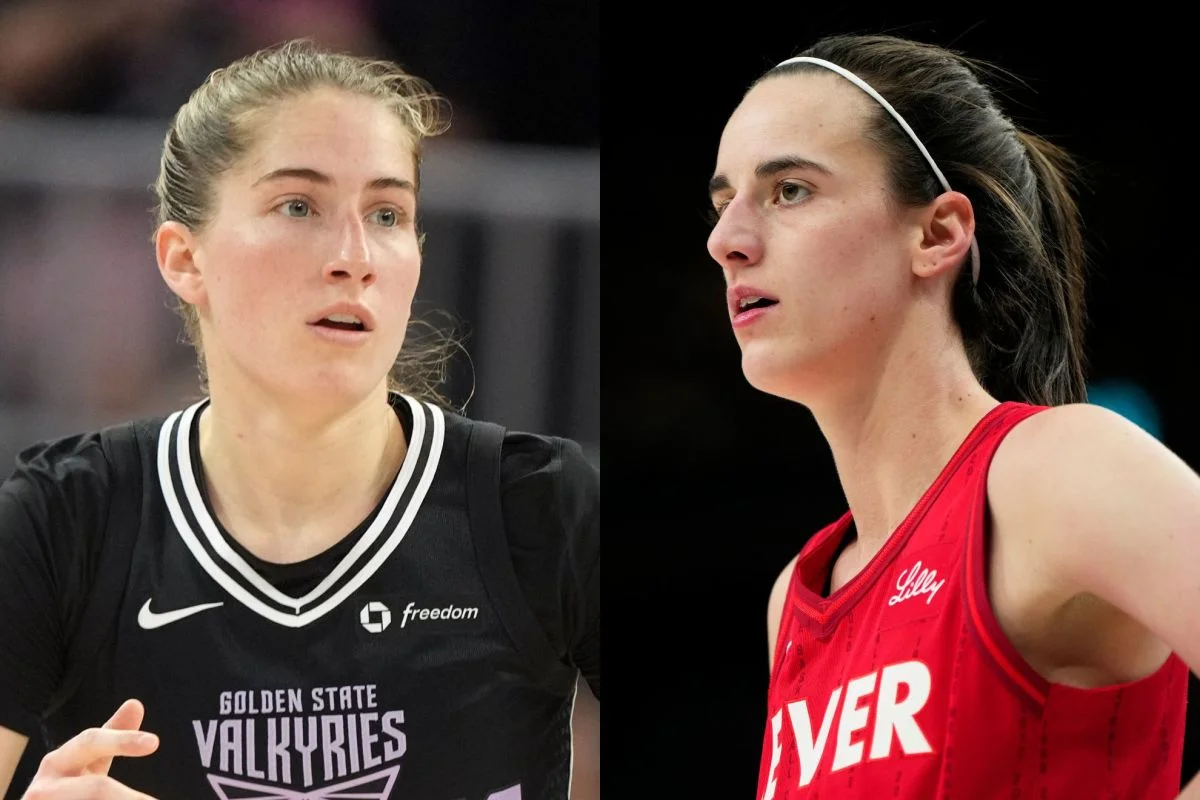
Despite their distinct playing styles—with Clark focusing heavily on perimeter shooting and Reese dominating inside—the statistics revealed a surprising fact: Reese holds a higher three-point shooting percentage this season than Clark. On limited attempts (13), Reese converted 30.8% of her three-pointers, narrowly surpassing Clark’s 29.5% on 78 shots from beyond the arc. This unexpected edge sparked conversations among fans and analysts, despite the stark differences in shot volume and difficulty.
Contextualizing the Three-Point Percentage Discrepancy
The notable contrast between the players’ three-point shooting success is tempered by varying levels of challenge. Clark’s attempts include nearly half taken from long range between 25 and 29 feet, with several beyond 30 feet, often under intense defensive pressure. In comparison, Reese’s three-point shots come mostly from shorter distances, with only four attempts launched from beyond 25 feet. This contextual detail helps explain why Reese’s higher percentage does not necessarily reflect a superior shooting ability but highlights early-season variation.
Fan Reactions Reflect Surprise and Support
WNBA enthusiasts were quick to react, expressing disbelief and admiration for Reese’s efficiency from three-point range. Comments ranged from acknowledgment of Clark’s heavy shooting load to surprised disbelief at Reese holding a marginally better percentage. Some praised Reese’s effort, encouraging continued hard work, despite broad recognition of Clark’s overall offensive volume and challenging shot profile.
Yep Clark has a low 3pt shooting avg,
—one fan
Ionescu is only 33% last l checked. smh.
—another fan
Clark has attempted over 20x the number of 3s Reese has attempted,
—an observer
I know that [expletive] don’t say angel has a better 3pt% than CC,
—a commenter
Keep up the hard work, Angel.
—supportive fan
Implications for Player Evaluation and Future Seasons
This statistical quirk offers insight into how volume and context must be factored when evaluating rookie performances like Caitlin Clark’s WNBA Rookie Award and Angel Reese’s impact. While Clark’s numbers reflect a heavy offensive burden with significant long-range difficulty, Reese’s efficiency points to her versatility and potential growth areas. Observers will likely monitor both players’ developments closely as the season progresses, especially with Reese continuing to set records for rebounds and double-doubles and Clark maintaining her playmaking pace.