
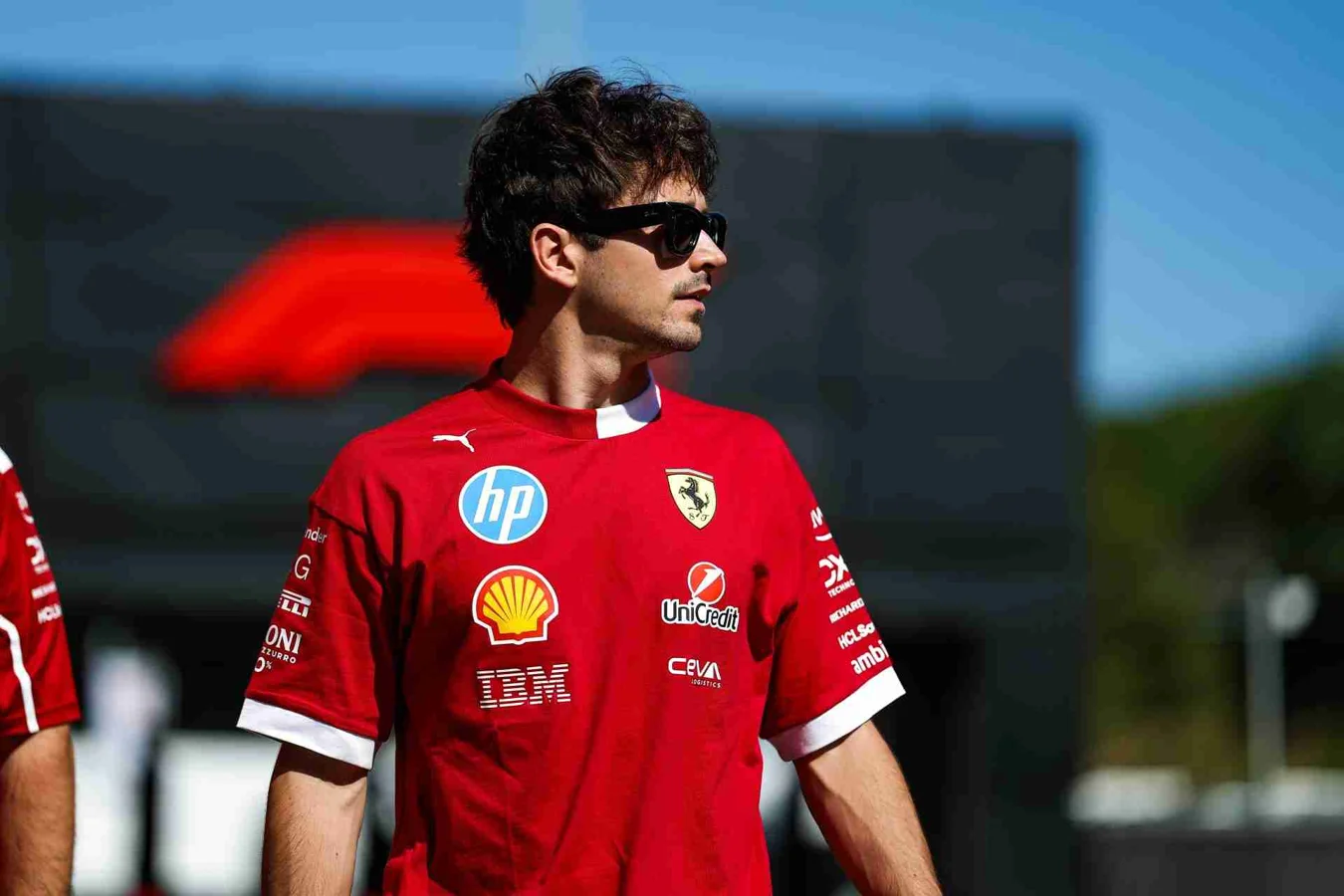

Charles Leclerc has publicly expressed significant worries regarding the new 2026 Formula 1 car design following his experience with Ferrari’s initial simulator model. His concerns highlight fears that the forthcoming changes could diminish the excitement and overall spectacle of F1 racing. These remarks have sparked a debate within the paddock about the future direction of the sport.
Diverging Opinions on 2026 Regulations
Contrasting Leclerc’s apprehensions, James Vowles of Williams F1 maintains a more optimistic stance. He suggests that adapting to changes in driving style is an inherent part of Formula 1 and views the 2026 regulations as a strong foundation for the sport’s evolution. Vowles believes that Ferrari’s current simulator version may not fully represent the final car’s capabilities, implying that improvements are expected as development progresses.
Challenges Within New Driving Dynamics and Race Conditions
Vowles acknowledges that some finer details need refinement, particularly concerning overtaking opportunities and how the cars handle wet weather conditions. He states,
“There is a change in the driving style that will have to be made. But it’s like everything in life: we have to change the driving style to adapt to these cars.”
He adds,
“I don’t actually think the formula for next year is bad. I think it’s different. There is work to be done because I’m a little concerned about how we get the differentiation in terms of overtaking. There are some really detailed things that we will resolve.”
Implications for the Future of Formula 1 Racing
The contrasting perspectives between Leclerc and Vowles underscore the tension and uncertainty as Formula 1 prepares to introduce major technical changes. While Leclerc worries about preserving the thrilling nature of racing, Vowles highlights the sport’s adaptability and ongoing evolution. As teams continue to refine their cars and approaches, the 2026 season is shaping up to be a dynamic period of innovation and adjustment within the Formula 1 landscape.