Francisco Lindor and his wife confront toxic MLB fan behavior, highlighting the urgent need for empathy in sports.
Francisco Lindor’s wife, Katia Lindor, has publicly addressed the escalating abuse MLB players face from fans, shedding light on a disturbing trend within the league. This response comes amid growing outrage over player heckling, including recent incidents like Ketel Marte’s, sparking urgent calls for cultural change in Major League Baseball.
The once-celebratory atmosphere of baseball stadiums has transformed into one of hostility and cruelty, reflecting a deeper problem within the sport’s fanbase. Katia Lindor shared her perspective on this toxic environment through her social media, emphasizing the human toll on players and their families. Her comments highlight how fan frustration frequently turns into dehumanization, impacting players’ mental health and personal lives.
The rising toxicity of fan behavior towards MLB players
The relationship between fans and players in Major League Baseball has deteriorated sharply, with many athletes now facing relentless abuse rather than support. What started as passionate cheering has devolved into relentless jeering and targeted harassment, fueled by factors such as legalized sports betting and anonymous social media attacks. Fans, increasingly driven by gambling losses or social media outrage, have moved beyond criticism to issuing personal threats and hate-filled messages.
This hostile environment has turned ballparks into battlegrounds of hostility. Examples abound, like Lance McCullers Jr.’s daughter asking,
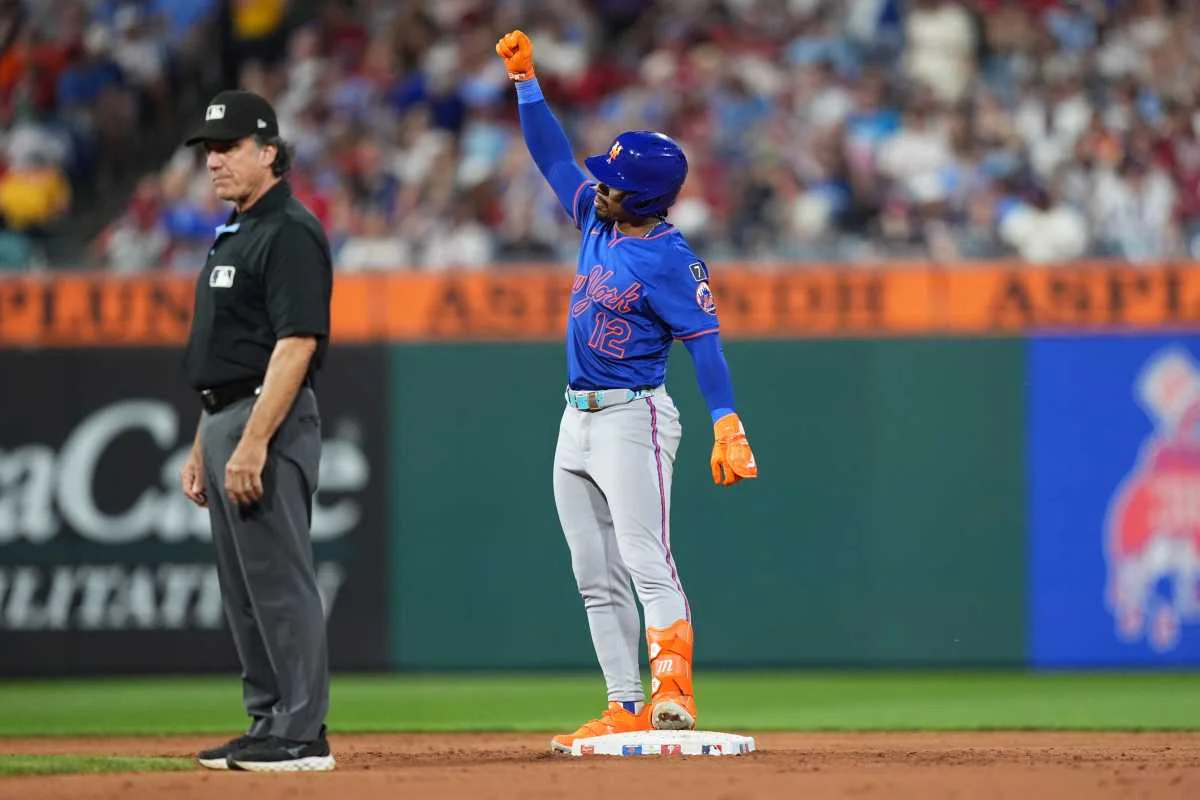
Image of: Francisco Lindor
“Daddy, who wants to hurt us?”
—a chilling reminder that the abuse extends beyond the field and affects players’ families profoundly. Such incidents underscore how the supposed passion from fans has morphed into harmful behavior that transcends the game itself.
Katia Lindor spoke directly to these issues, writing,
I’m usually quick to speak up for the marginalized, not so much for the privileged, for obvious reasons… I’ve received death threats over my husband’s on-field performance… Frustration is valid. Dehumanization is not. Let’s be better.
—Katia Lindor, MLB player’s wife
Major League Baseball’s struggle to address fan aggression
MLB is now confronting challenges that extend far beyond managing team rosters and game strategies. The proliferation of hateful messages and threats from fans has pushed the league into a difficult position where it must balance preserving fan engagement while protecting players’ safety and well-being. The rise in abusive behavior coincides with the surge in legalized sports betting, which has intensified fan emotional investment and outrage over game outcomes.
Teams in cities like Boston and Houston have had to implement stricter security measures, especially in family sections, to shield players and their loved ones from aggressive fans. Some have even employed cyber analysts to monitor and respond to online abuse. However, these efforts have so far only acted as temporary remedies, unable to stem the wider cultural wave of negativity confronting players off the field.
It is clear that superficial measures are insufficient to combat the growing problem. MLB faces the imperative of enforcing comprehensive penalties on abusive fans and pressuring social media platforms to curb anonymous harassment. Until such accountability is enforced, players will continue to endure unacceptable behavior after every pitch, miss, or error, shadowing the game with ongoing hostility.
Humanizing athletes in the face of relentless criticism
The current fan mentality often forgets that MLB players are not just athletes but people with families, responsibilities, and emotions. Treating them as mere performers or public entertainment ignores the complexity of their humanity. The stadiums increasingly resemble courts where every mistake is judged mercilessly, creating immense pressure on players that extends into their home lives.
The erosion of empathy is particularly concerning as it allows fan violence and verbal abuse to thrive unchecked. As noted in recent conversations around MLB, fans must recognize the real impact their words have on athletes and their families. The personal stories shared by figures like Katia Lindor and Lance McCullers Jr. remind the public that these players carry burdens far heavier than the expectations set on the field.
Addressing the crisis requires more than improved security or social media policing; it calls for a cultural shift within the fan community to prioritize respect over rage. Without such change, the sport risks alienating not only its players but also genuine fans who cherish baseball’s spirit and legacy.
What lies ahead for MLB amid this growing crisis?
The ongoing escalation of abuse aimed at players signals a turning point for Major League Baseball. The league must act decisively to restore a healthier dynamic between fans and athletes, ensuring the sport’s future remains rooted in respect and sportsmanship rather than aggression and hostility. This may involve revisiting league policies, enhancing security, and fostering public campaigns to raise awareness about the consequences of fan behavior.
Francisco Lindor’s wife’s candid revelation about the toll of MLB abuse adds a powerful voice demanding change, emphasizing that players are human beings who deserve dignity both on and off the field. As the sport grapples with this challenge, the actions MLB takes now could define its cultural environment for years to come, determining whether baseball is a sanctuary for athletes or a battlefield scarred by toxicity.