
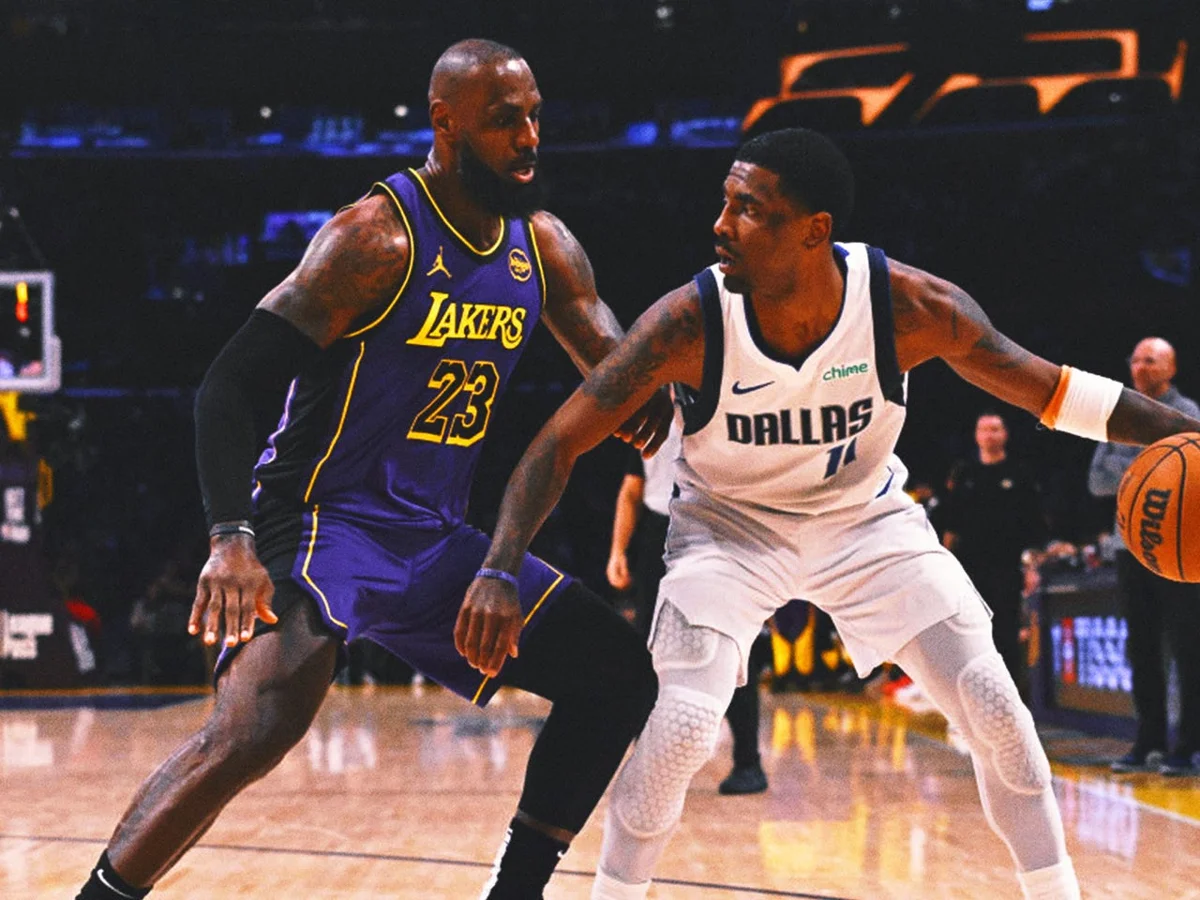

LeBron James, the highest-earning professional basketball player in history, faces a looming deadline to decide whether to exercise his $52.6 million player option for the upcoming NBA season. Expected to make this choice by Sunday, the decision will have significant ramifications for both the Los Angeles Lakers and James’ career trajectory. The topic of LeBron James contract options centers on whether he will stay with the Lakers under the current terms or pursue alternative agreements considering his long-term ambitions and the team’s future.
James’ career earnings have already surpassed $581 million solely from basketball salaries, and when combined with his extensive business ventures, his billionaire status has been well established for years. As the wealthiest player in the league, James has a unique opportunity to explore contract structures that could fit the Lakers’ needs and his personal goals, even though reports currently estimate he will retain his player option and remain with Los Angeles for the next season.
Evaluating the Choices: What Contract Paths Are Open for LeBron?
LeBron’s most probable move at this moment is to pick up his player option to stay with the Lakers on a $52.6 million contract, which is just under the maximum salary cap and includes his no-trade clause secured last summer. This decision would keep him with the team for one more year before becoming an unrestricted free agent at age 41, allowing him flexibility next summer.
However, beyond this straightforward continuation, there are three other notable possibilities: first, James could decline his player option and negotiate a new contract, potentially for the maximum salary; second, he could opt out and defect to another team; or third, he could opt out and re-sign with the Lakers on terms that might better suit the team’s salary cap and roster-building strategy. Each of these paths involves different strategic considerations for James and the Lakers.
Understanding LeBron’s Earnings Potential Beyond the Player Option
LeBron’s $52.6 million player option represents an 8% raise over his $48.7 million salary from last season, but it’s slightly beneath his true maximum contract—calculated as 35% of the projected salary cap at $154.6 million—putting his maximum salary near $54.1 million. The difference of about $1.5 million might seem minor, yet it carries symbolic weight.
Historically, James has at times accepted below-maximum payouts to help his teams improve their rosters, exemplified by his reported pay cut when joining the Miami Heat in 2010. That decision set a standard that pressured other star players to accept less as well. However, since returning to Cleveland in 2014, James has largely insisted on max contracts, making last summer’s slight cut an exception.
Should James request his full max salary from the Lakers, it is likely the team would comply given his immense value both on and off the court. Recently named to the NBA Second Team All-NBA lineup, James is still performing at an elite level, making negotiations against him impractical. Any hesitation from the Lakers could prompt interest from other teams willing to accommodate his salary demands.
Is a Lakers Departure for LeBron on the Horizon?
Although James holds the right to leave via free agency, it is highly unlikely he will exit the Lakers this offseason. He has firmly established roots in Los Angeles and is conscious of his legacy, avoiding the label of a team-hopper. Additionally, no clear destination offers an appealing or logical alternative at this time.
The Brooklyn Nets stand out as the only team with significant salary cap space available to offer James a max contract, but the roster currently lacks established stars, and major trades could complicate cap calculations. Moreover, James has previously favored Los Angeles over teams like the Clippers and remains image-conscious regarding team choices. He also resists New York franchises except the Knicks, who currently lack the cap flexibility or roster strength to attract him.
Speculation on a sign-and-trade with New York or Cleveland has emerged, but these are complicated by the NBA’s salary cap structures. Any sign-and-trade requires the acquiring team to stay below the “first apron” of the luxury tax threshold, a challenge for the Knicks and especially difficult for Cleveland, which is well above even the second apron. This salary cap reality severely limits the feasibility of acquiring James in such a manner without demanding a massive pay cut from him—something he is unlikely to consider at this stage.
While Cleveland may appeal emotionally to James, who has expressed a desire to finish his career with the Cavaliers, financial and roster realities combine to make this a remote possibility. A minimum contract might be an option far in the future, but it is not currently on the table for a player of James’ stature and salary expectations.
Financial Sacrifices and Team Strategy: Could James Take a Pay Cut to Help the Lakers?
Last offseason, James offered a substantial pay cut—estimated around $15 million—to give the Lakers salary flexibility to pursue key players such as Klay Thompson. Ultimately, the Lakers failed to secure Thompson, and James accepted a salary closer to his maximum. This season, whether James would again take a pay cut to provide cap relief remains uncertain.
The Lakers’ recent playoff loss and roster evaluation suggest they need every financial tool to upgrade their team to championship contention. The difference between the non-taxpayer mid-level exception ($14.1 million) and the taxpayer mid-level exception ($5.9 million) could determine their ability to sign impactful players. Currently, without a sizable pay cut from James, the Lakers can only pursue the lower exception.
The dynamic between James and the Lakers is complicated by their differing timelines. James, at the tail end of his career, is eager for immediate success, while the Lakers, anchored by 26-year-old Luka Dončić, can afford to plan patiently for a sustained championship window. If James expects the team to prioritize winning now, the Lakers may reasonably ask him to make financial concessions to provide the necessary cap space. Conversely, if James is unwilling to sacrifice, the Lakers might protect their future assets instead.
Key Lakers assets like their tradable 2031 first-round pick add another layer to this negotiation. Moving such picks to secure talent for a championship run while James is still on the roster might weaken the team’s long-term position after his eventual retirement. By contrast, retaining these high-value assets preserves future flexibility to build around Dončić and other emerging players.
Balancing Present Ambitions and Future Flexibility: Post-James Lakers Planning
The Lakers anticipate substantial salary cap space opening in 2026, presenting the potential to pursue star free agents such as Jaren Jackson Jr., whose contract situation with the Memphis Grizzlies is currently unsettled. Maintaining this future cap flexibility may necessitate limiting contractual commitments now, which could effectively push James out or reduce his salary to avoid blocking that space.
If James wants to extend his stay beyond 2025–26, opting out this offseason might give him leverage to negotiate new terms potentially involving a pay cut but granting him another player option to maintain control over his next moves. His existing no-trade clause further secures his stability with the Lakers, preventing unwanted trades.
This intricate chess match of salary cap management, player options, and roster construction underscores the tension between James’ desire for immediate contention and the Lakers’ need to preserve long-term competitiveness. The negotiations and decisions made in the coming month will shape the franchise’s trajectory and James’ legacy dramatically.
Decision Time Ahead: What Lies Beyond the Deadline?
LeBron James stands at a crossroads with his $52.6 million player option deadline imminent. His choice will influence not only his own future but also the Lakers’ strategy in navigating team-building and championship aspirations. If he exercises the option, it signals continuity but postpones major roster changes. If he opts out, a complex negotiation over pay cuts, sign-and-trades, or free agency could unfold.
The Lakers and James both hold critical leverage, yet their interests are not always aligned—James with his championship window narrowing, and the Lakers balancing between present contention and building for success post-James, especially alongside Luka Dončić. How this balance resolves will have ripple effects across the NBA landscape this offseason and beyond.