
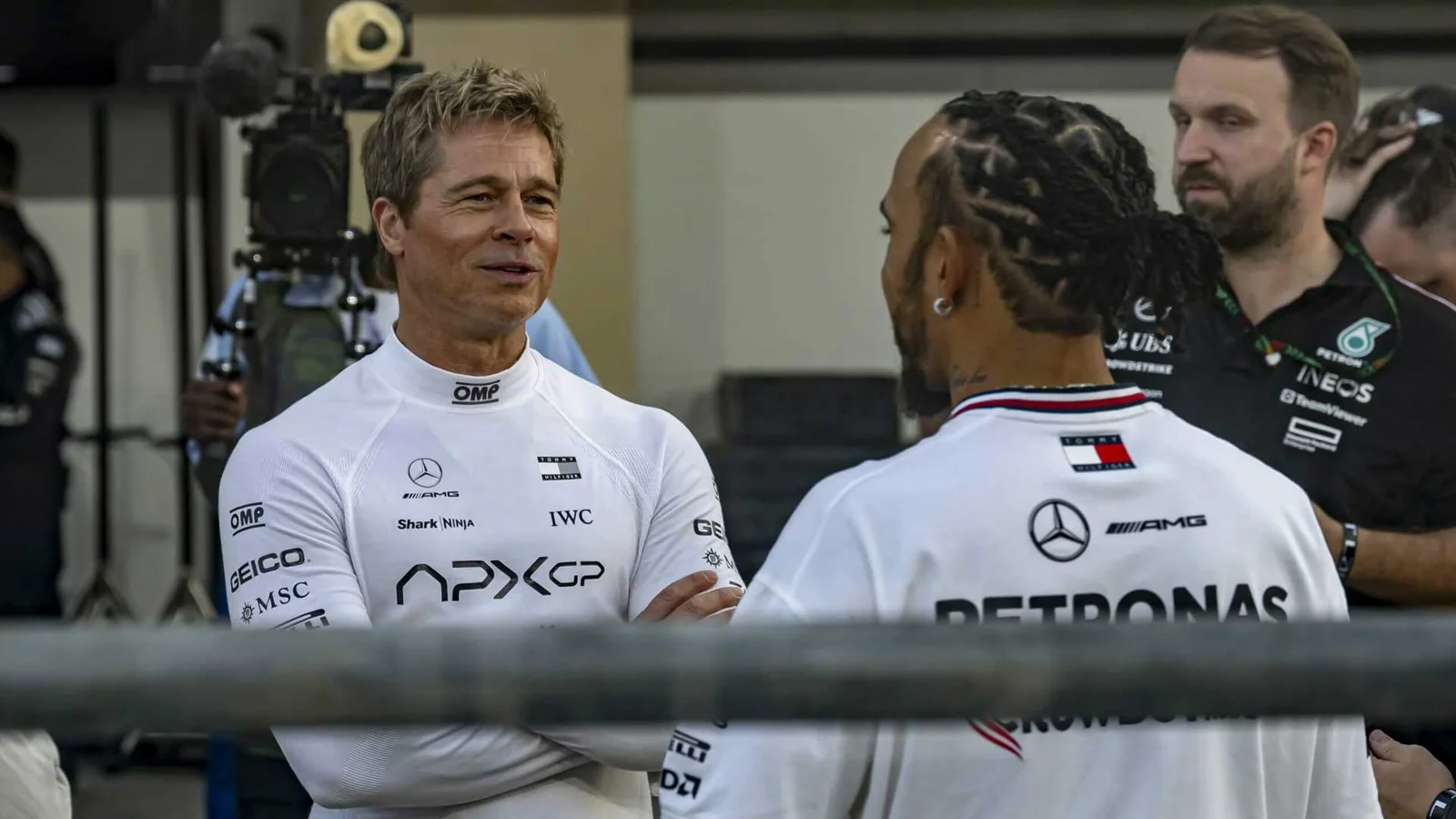

Lewis Hamilton’s highly anticipated film, F1, dives headfirst into the fast-paced and adrenaline-filled realm of Formula 1 racing, combining electrifying action with a few storytelling shortcomings. Released under the direction of Joseph Kosinski and produced by Jerry Bruckheimer, the film benefits from Hamilton’s hands-on involvement as producer, ensuring authentic details that resonate with fans of the sport.
F1 enthusiasts, known for their critical eye, will find much to admire in the movie’s vivid cinematography and immersive sequences that capture the roar of engines and tension-filled moments at iconic venues like Silverstone. The soundtrack, composed by Hans Zimmer, amplifies the intensity, providing a powerful auditory backdrop that enhances the experience for viewers.
Plot and Performances: Familiar Story Elevated by Strong Chemistry and Realistic Elements
The narrative follows Sonny Hayes, portrayed by Brad Pitt, a retired driver who returns to the Formula 1 circuit to revive a struggling team and mentor rookie Joshua Pearce, played by Damson Idris. Although the storyline may feel conventional, the on-screen dynamic between Pitt and Idris refreshes the material with genuine tension and camaraderie.
Hamilton’s influence ensures several authentic touches, such as casting real Formula 1 commentators David Croft and Martin Brundle instead of actors, adding credibility to race broadcasts and behind-the-scenes sequences. The film also features cameos from real drivers and realistic depictions of team garages, reinforcing the connection to the sport’s real world.
Missed Opportunities in Drama and Representation
Despite many strengths, the film struggles with its off-track drama, including an awkward dinner scene among drivers that feels forced and detracts from the narrative flow. More notably, a controversial plot point—referred to as “Plan C”—involves Sonny deliberately crashing multiple times to trigger a safety car, offering an unfair tactical advantage to Pearce. This move has sparked disapproval from dedicated fans aware of the 2008 Crashgate scandal, as orchestrated crashes are considered unacceptable in Formula 1.
The movie also falls short in portraying its female characters. Kate, introduced as the sport’s first female technical director on screen, remains underdeveloped, missing a vital opportunity to explore gender barriers in a predominantly male environment. Additionally, a female pit crew member is shown struggling with tools while receiving a sarcastic remark from Pearce, a portrayal that many see as clichéd and insufficiently nuanced.
Overall Impact and Reception: A Thrilling Ride with Room for Improvement
In sum, F1 delivers an exhilarating cinematic treatment of the sport, anchored by Kosinski’s visually stunning racing scenes and Zimmer’s compelling score. Hamilton’s commitment to ensuring realism pays off, immersing audiences in the thrill of high-speed competition. Although the film does not perfectly balance its dramatic ambitions or progressive representation, it achieves its core mission of capturing the excitement of Formula 1 racing.
For many fans, the high-energy sequences and authentic details will sustain their engagement, making it a worthwhile experience despite some narrative missteps and missed social opportunities.