
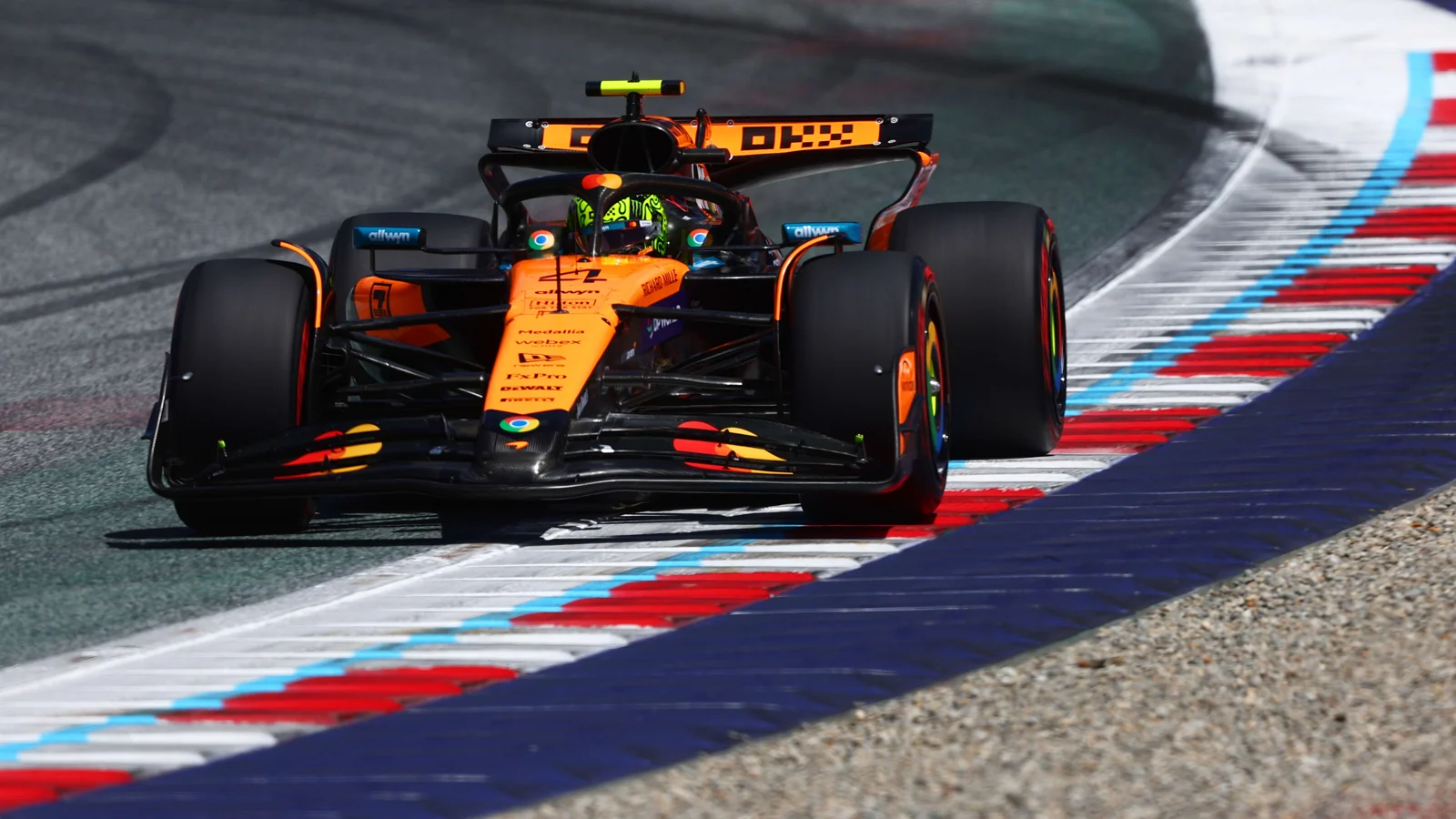

Seven-time Formula 1 champion Lewis Hamilton disclosed at the Austrian Grand Prix that he has been fasting to comply with the FIA’s strict weight regulations. These measures are crucial to ensure all drivers meet the mandated minimum weight limit, preventing any competitive advantage from running too light.
The FIA sets a minimum weight of 82 kilograms for drivers, including their helmet, race suit, and boots, a rule established in 2019. After each race, officials weigh drivers with their gear to verify compliance. If a competitor registers below this threshold, additional ballast is added to their car to even the playing field, and penalties could follow.
Hamilton’s concern, however, lies in not being underweight but rather in exceeding the limit. Addressing fans at the event, he revealed the challenge of maintaining his weight within limits while wearing his racing equipment, which adds approximately 4.5 kilograms to a driver’s total.
Hamilton’s Weight Management Strategy Explored
At the fan zone, Hamilton shared,
“The first thing I do in the morning is weigh myself every day, and my weight this morning… I’m 76 kilos.”
He continued,
“So I can’t eat anything till very much later because when you put the kit on, your suit, boots, helmet, everything weighs like four and a half kilos. And the weight limit is basically 81, is it?”
before his teammate Charles Leclerc corrected him, confirming the exact minimum weight is 82 kilograms.
Hamilton clarified his approach:
“Yeah, so I’m on the limit right today. So I’m gonna fast all day and try and get my weight down. Then I can have, for dinner, the pancakes.”
This strict routine highlights the physical discipline demanded at the highest levels of Formula 1 racing.
The Impact of Weight on Performance in Formula 1
Hamilton understands that exceeding the weight limit could negatively affect his lap times during the race because additional weight reduces car speed and agility. Leclerc, who also attended the fan event, confirmed he was close to the weight restriction and adopting a similar fasting routine.
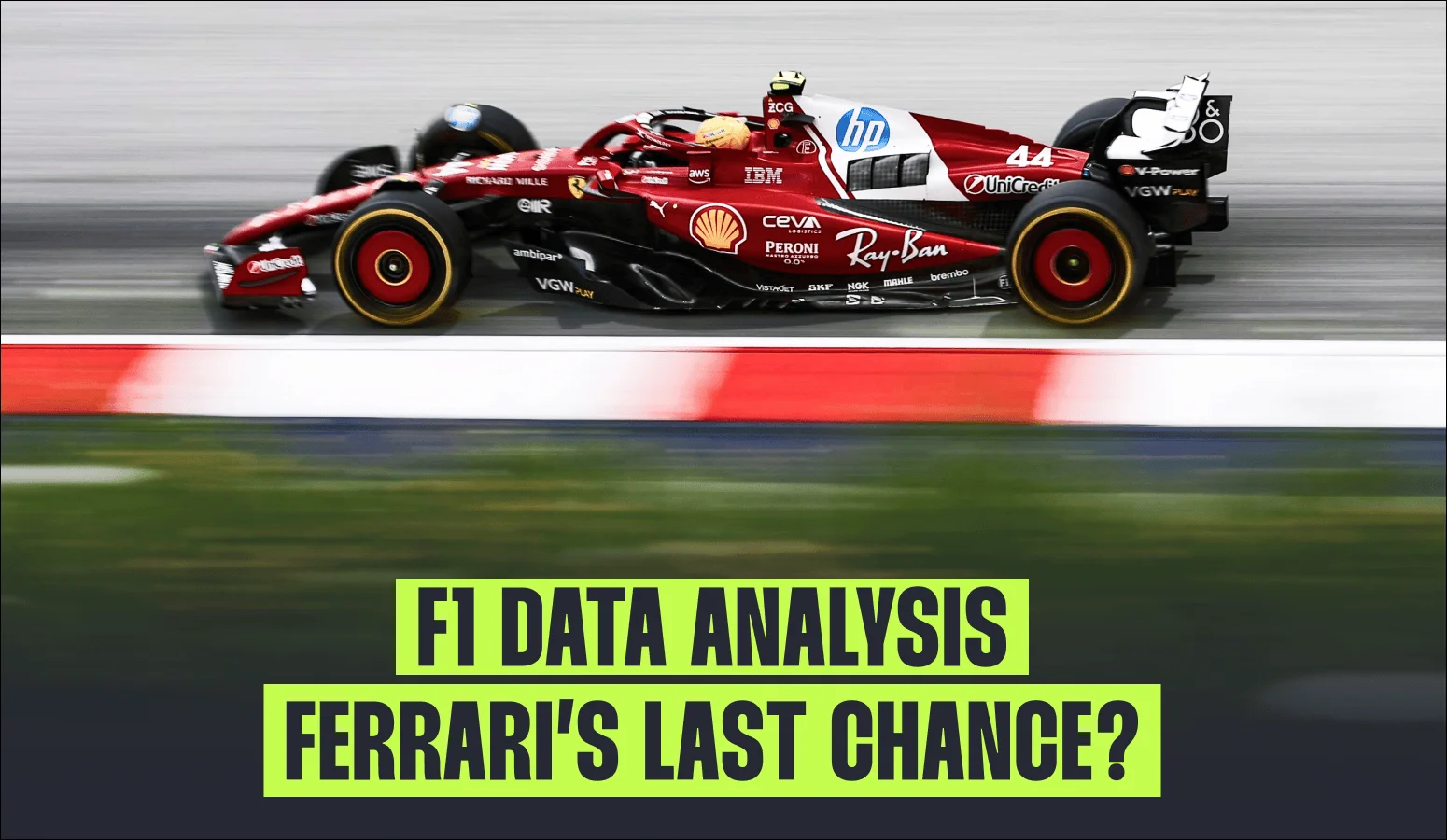
Hamilton has previously stressed the significance of weight in racing performance on the Graham Norton Show, detailing the impact of excess mass on lap times. He noted,
“Ten kilos of fuel in the car costs three-tenths of a second every circuit, per lap.”
He further explained,
“So if I’m one kilo overweight, I can lose up to two seconds in the race distance. So my weight is very important.”
This insight underscores how finely balanced driver weight is within the relentless pursuit of competitive advantage in Formula 1.
FIA Weight Regulations and Their Role in Fair Competition
The FIA weight limitations ensure that no driver gains an unfair edge by being lighter than the set minimum, which maintains the sport’s fairness. Adding ballast to the cars of lighter drivers guarantees equal conditions on the track, compelling drivers like Hamilton to carefully monitor their body mass.
As the Austrian GP progresses, the meticulous weight management by top competitors like Hamilton and Leclerc may provide a crucial edge, influencing qualifying outcomes and race strategies. With such narrow margins defining success, adherence to these regulations remains central to Formula 1’s competitive integrity and athlete performance.