
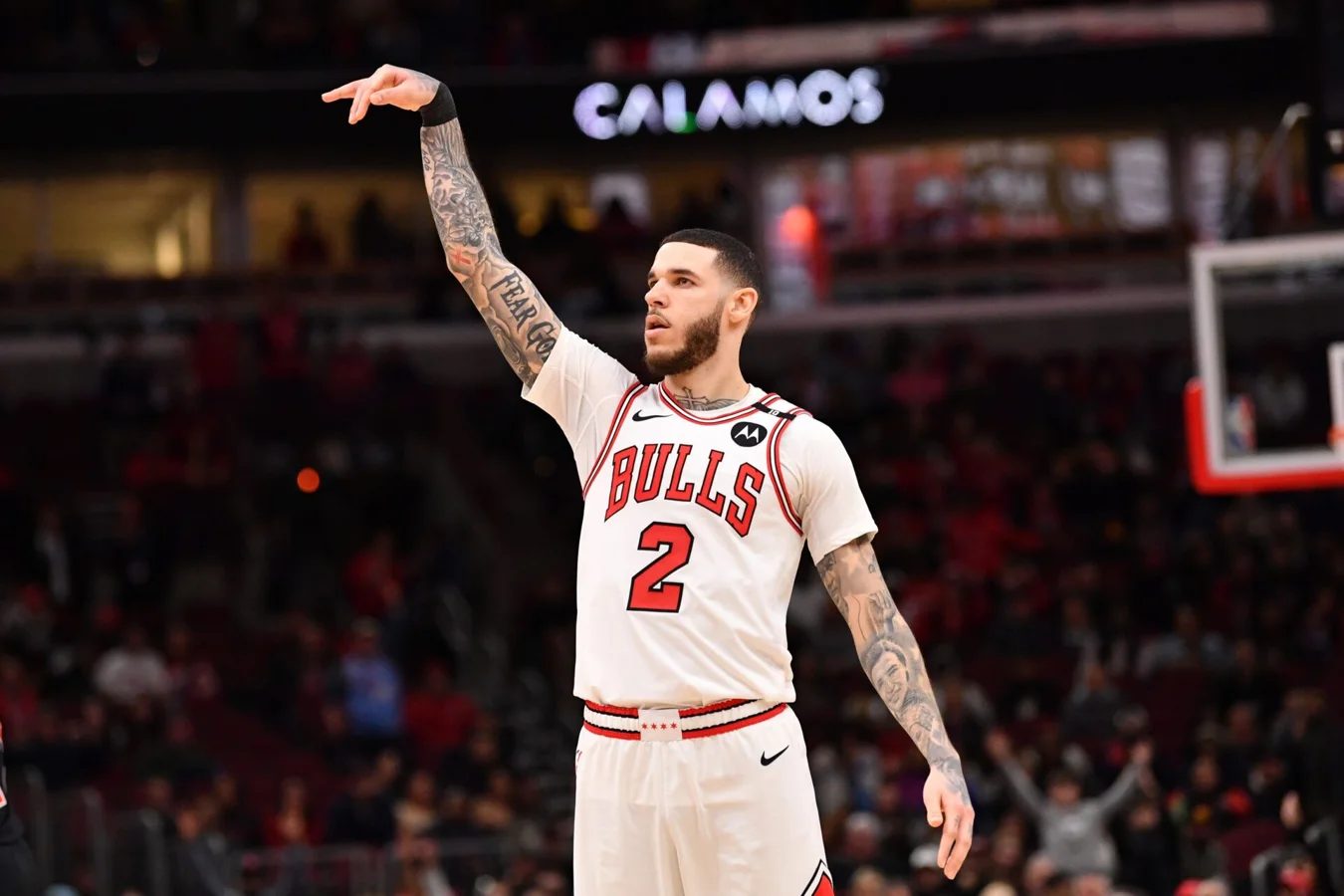

The Chicago Bulls traded Lonzo Ball to the Cleveland Cavaliers in a move that has puzzled many basketball observers. This exchange occurred recently and involved sending Ball in return for Isaac Okoro. Given reports of multiple teams showing interest in Ball, including the Memphis Grizzlies, Minnesota Timberwolves, and Detroit Pistons, the return the Bulls received was widely regarded as underwhelming.
While Ball’s injury history makes him a risky acquisition, many believed the Bulls could have secured better compensation, perhaps even a first-round draft pick, had they acted differently at the trade deadline.
Concerns Over Bulls’ Pattern of Holding Players Too Long
Chicago’s decision to retain Ball until the end of the season, only to receive a limited return, reflects a recognizable pattern of asset management problems. This strategy has repeatedly led the Bulls to lose value on key players by delaying trades until their market worth diminishes.
Similar situations happened with Zach LaVine and DeMar DeRozan, both of whom were traded to the Sacramento Kings for packages that fell short of expectations. LaVine’s trade yielded Kevin Huerter, Tre Jones, Zach Collins, and a first-round pick Chicago had previously owned, while DeRozan’s departure brought in Chris Duarte, cash, and a future second-round pick.
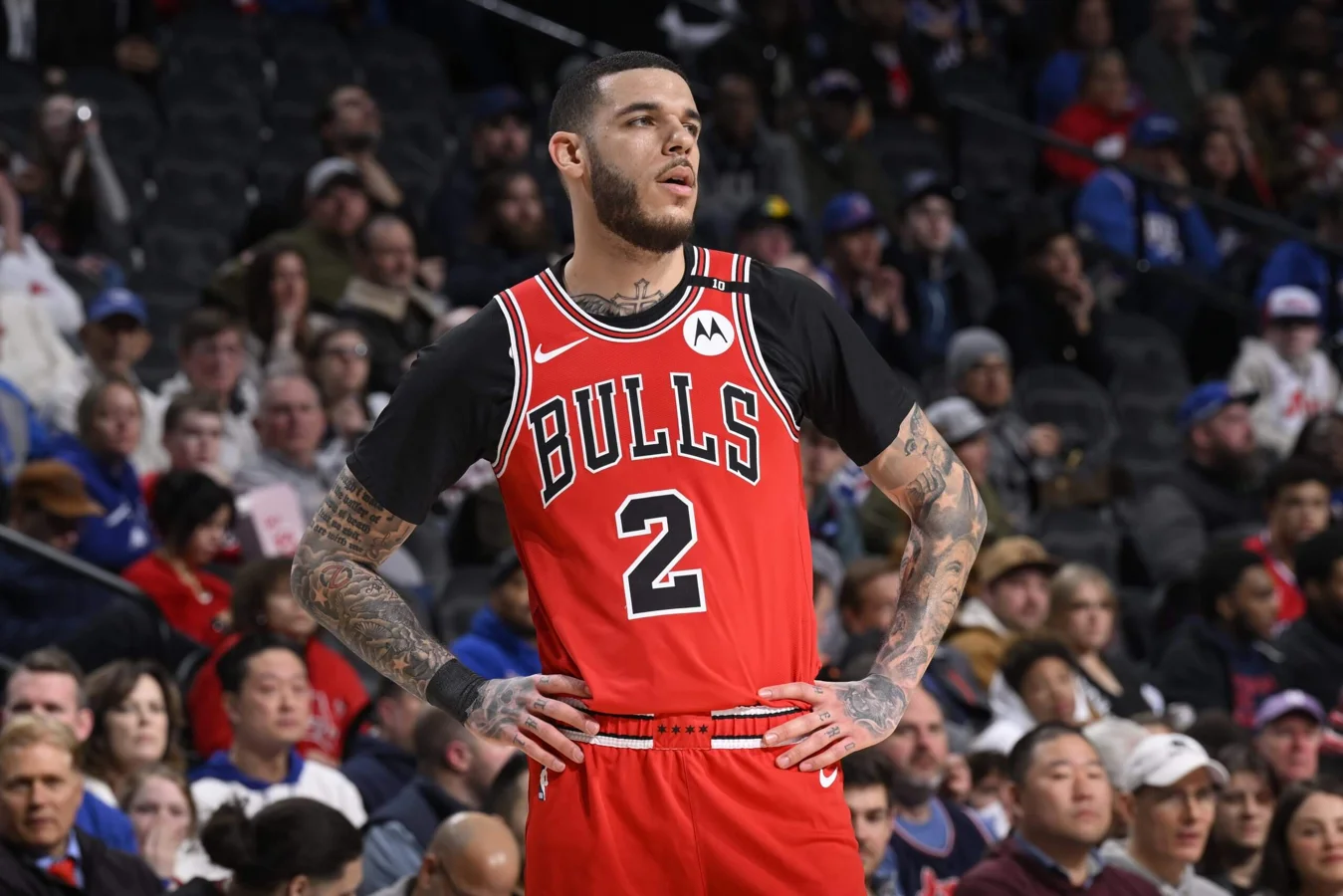
Had the Bulls traded these star players earlier, the returns might have been significantly richer. For instance, when the Lakers showed interest in LaVine, Chicago might have secured more valuable first-round selections, but instead settled for the protections tied to a pick they had already traded away years before.
Past Trades Exemplify Missed Opportunities for Better Returns
The trend of undervaluing Chicago’s assets was evident in last summer’s one-sided trade of Alex Caruso to the Oklahoma City Thunder. Caruso, regarded as one of the Bulls’ top assets, was exchanged solely for Josh Giddey, despite his role as a defensive cornerstone and the likelihood that multiple teams would have offered multiple first-round picks for him.
This trade serves as a comparable example to the Ball deal, where Chicago parted with a more valuable player coming off a subpar season in exchange for an asset that hasn’t matched that level.
Summing up these transactions, the Bulls parted ways with LaVine, DeRozan, Caruso, and Ball but only regained a single first-round pick, which they had already owned, highlighting serious deficiencies in the team’s asset preservation and management strategy.
Implications of the Bulls’ Recent Team-Building Strategy
Chicago’s approach, which aims to avoid outright tanking but without committing fully to a rebuild, has left them stuck in mediocrity over the last five years. Aside from their playoff run in 2022, the Bulls have struggled to acquire sufficient draft capital to develop quality talent for the future.
Part of the rationale behind acquiring Okoro, according to team executive Arturas Karnisovas, is to gather young players with some experience—intended to complement teammates like Coby White, Josh Giddey, and Matas Buzelis. However, with the personnel now on the roster, the Bulls face a significant challenge: a lineup heavy on players who struggle to contribute as shooters, which detracts from their overall offensive efficiency.
Questions Loom Over Future Trade Prospects and Team Direction
The Bulls still have potential moves remaining, notably involving Coby White and Nikola Vucevic, who has been rumored to be available for trade for over two seasons. Yet, Chicago’s recent history of undervaluing assets does not inspire confidence that they will receive fair compensation in future deals.
This ongoing pattern raises serious concerns among fans and analysts about Chicago’s ability to execute trades that maximize value and move the franchise forward, especially after the questionable Lonzo Ball trade and other recent transactions have diminished their chances of building a strong foundation.