
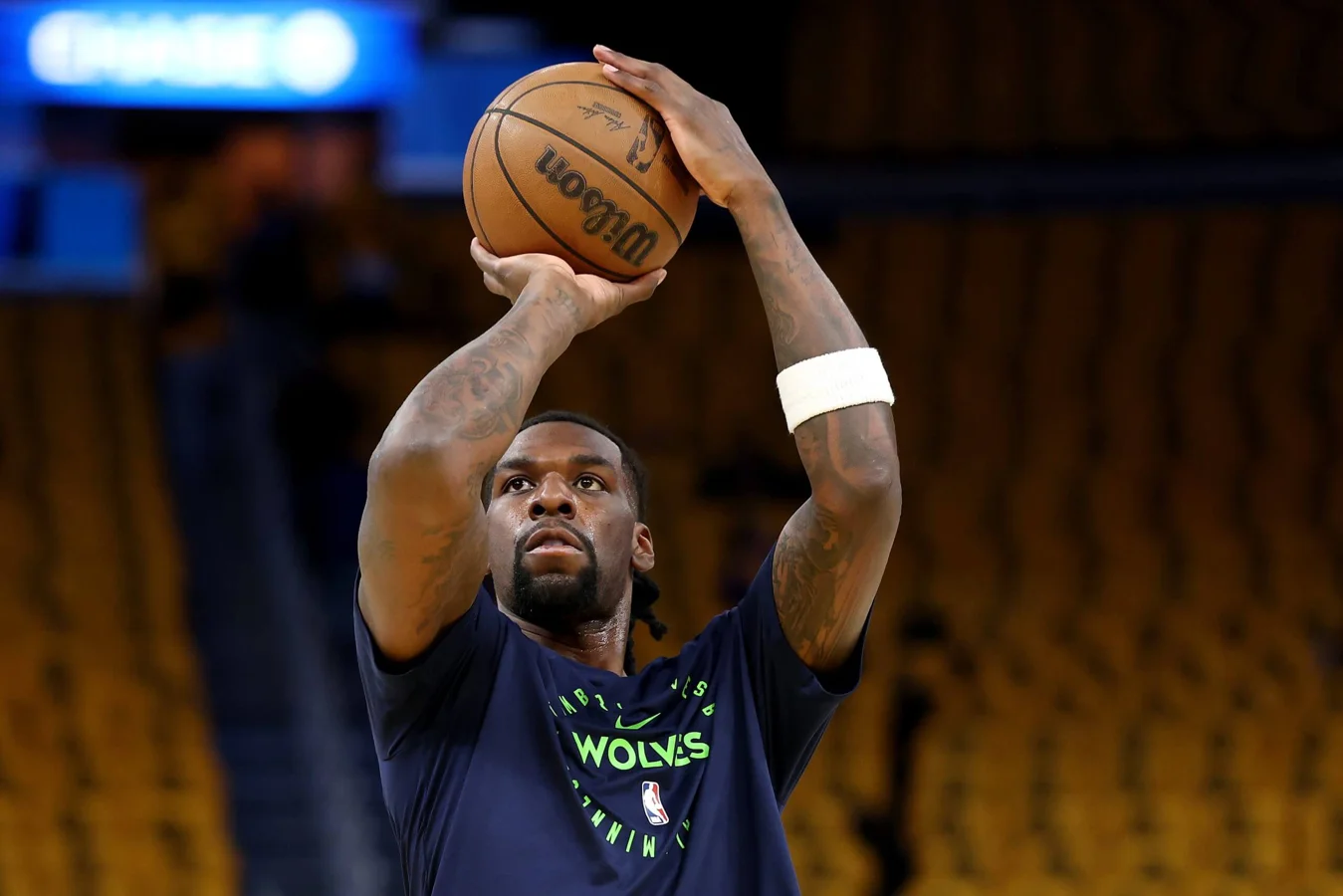

Following the conclusion of the NBA Finals and the 2025 NBA Draft, attention now turns to the league’s free agency period. Early in July, several notable players, including Kyrie Irving with the Dallas Mavericks, Fred VanVleet with the Houston Rockets, and Naz Reid of the Minnesota Timberwolves, secured contract renewals, initiating shifts ahead of a crucial offseason. These signings mark the beginning of what many expect to be a dynamic free agency process, heavily influenced by team salary cap structures and player rights.
With those early deals completed, the focus shifts to the top 30 prospective free agents who remain available, their potential destinations, and the financial landscape shaping their market. Teams across the league face varying salary cap situations, with the Brooklyn Nets standing out as the sole franchise with significant cap space, while most others are constrained by mid-level exceptions and apron limitations affecting contract possibilities.
Current Team Salary Constraints and Market Outlook
The Brooklyn Nets’ large projected cap space sets them apart this offseason, providing unique flexibility that most other teams lack. However, the Nets’ approach leans more toward utilizing that space to facilitate trades rather than aggressively signing free agents. Most franchises will navigate the limitations of the non-taxpayer mid-level exception (NTMLE), which stands at approximately $14.1 million, with other contract offers fitting within smaller exceptions like the room mid-level exception (RMLE) and taxpayer mid-level exception (TMLE), valued at $8.8 million and $5.7 million respectively.

Franchises operating below the salary cap, such as the Memphis Grizzlies who may use their room mid-level exception to keep key players like Jaren Jackson Jr., face strategic financial decisions as they look to balance salary commitments and roster needs. Teams must also consider mechanisms like the biannual exception, sign-and-trades, contract extensions, and player options when constructing offers for free agents in a tightly restricted market.
Evaluating Players Ranked 30 to 21: Role Players and Veterans in Transition
30. Kevon Looney (Golden State Warriors)
Looney has carved out a vital role in Golden State’s championship runs, contributing primarily through relentless defense and hustle plays. While not a standout scorer, his presence aids playoff success. Coach Steve Kerr values Looney, suggesting a likely contract around $5 million to retain him.
29. Luke Kennard (Memphis Grizzlies)
Following the trade of Desmond Bane, Kennard could gain an increased role, though Memphis faces challenges in managing cap space to retain both Kennard and Jaren Jackson Jr. Initial moves indicate the Grizzlies may renounce Kennard’s rights then re-sign him using the RMLE.
28. Gary Trent Jr. (Milwaukee Bucks)
With uncertainty surrounding Giannis Antetokounmpo’s future and injury concerns like Damian Lillard’s Achilles, the Bucks’ tax situation is in flux. Trent, who notably stepped up during the playoffs, is expected to return on a modest raise near $3.7 million.
27. Nicholas Batum (Los Angeles Clippers)
Despite turning 37, Batum’s playoff experience and steady shooting, combined with a low-maintenance attitude, make him a valuable asset. The Clippers are expected to offer him a two-year deal starting at approximately $5.6 million.
26. Kelly Oubre Jr. (Philadelphia 76ers)
Oubre’s scoring has dipped due to low three-point accuracy, but he remains a capable wing defender and contributor. The 76ers, impacted by injuries, may see Oubre finishing his contract without seeking a major raise.
25. D’Angelo Russell (Brooklyn Nets)
Russell’s scoring talent is undisputed, but his role as a journeyman and the Nets’ youth-driven direction suggest a diminished salary. With limited offers expected, Russell may sign with Dallas at the TMLE.
24. Luke Kornet (Boston Celtics)
A defensive-minded rotation center with a memorable playoff performance against the New York Knicks, Kornet could attract interest from teams like Denver seeking a quality backup for Nikola Jokić, potentially on a TMLE deal.
23. Clint Capela (Atlanta Hawks)
Capela’s diminishing efficiency and Atlanta’s shifting roster position him for a pay cut and a possible role as a rebound-focused backup elsewhere. The Los Angeles Lakers are favored to sign him on the TMLE for a veteran presence.
22. Caris LeVert (Atlanta Hawks)
LeVert’s scoring off the bench remains valuable for the Hawks, despite inconsistent shooting from three-point range. He is likely to remain with Atlanta on a two-year contract beginning near $10 million.
21. Russell Westbrook (Denver Nuggets)
Known for high-risk, high-reward play, Westbrook’s fit with the Nuggets is under scrutiny amid organizational changes. While opting out is expected, re-signing slightly above minimum salary seems probable as the team balances limited spending power and roster needs.
Players Ranked 20 to 11: Established Contributors and Emerging Role Players
20. Tyus Jones (Phoenix Suns)
A dependable, low-turnover guard with strong three-point shooting, Jones fits many team schemes looking for steady ball-handling. The Orlando Magic are expected to sign him using the TMLE to bolster their backcourt depth.
19. Davion Mitchell (Miami Heat)
Mitchell’s playoff performances for the Heat demonstrated his potential as a guard capable of contributing on both ends. Miami seems inclined to offer a competitive salary close to but slightly below the NTMLE.
18. Chris Paul (San Antonio Spurs)
Entering his 40s, Paul remains a veteran leader but faces a crowded guard lineup in San Antonio. While strong ties to Los Angeles exist, Paul may prefer a situation offering consistent playing time, with the Lakers’ minimum offer likely influencing his choice.
17. Ty Jerome (Cleveland Cavaliers)
Integral to Cleveland’s regular season but unable to fully compensate for injuries during the playoffs, Jerome is anticipated to return on a pay raise near $7 million. The Cavaliers’ payroll challenges may lead to roster moves to accommodate his salary.
16. Al Horford (Boston Celtics)
A critical factor in Boston’s recent championship, Horford’s veteran presence is valued even amid heavy salary burdens and a stretched roster following key injuries. Boston might retain Horford on a discounted deal to maintain competitiveness.
15. Guerschon Yabusele (Philadelphia 76ers)
Yabusele’s physical scoring style impressed on the international stage, but NBA salary constraints may limit his return to the 76ers unless financial flexibility improves. The San Antonio Spurs are potential suitors with available cap space.
14. Cam Thomas (Brooklyn Nets)
Thomas remains a high-scoring but sometimes inefficient shooter, leading to a complicated market outlook. Restricted rights grant the Nets leverage to negotiate a compromise deal likely around $24 million over three years.
13. Dennis Schröder (Detroit Pistons)
Having played a solid playoff role, Schröder’s future depends on Detroit’s offseason moves, including potential trades to create salary space for more big men like Myles Turner or Naz Reid. Sacramento is reportedly interested in offering the NTMLE.
12. Dorian Finney-Smith (Los Angeles Lakers)
A reliable 3-and-D wing, Finney-Smith has built chemistry with Luka Dončić and is a critical part of the Lakers’ rebuilding process. The expected deal with L.A. may start between $12 million and $16 million annually, potentially lower if structured as a longer-term contract.
11. Brook Lopez (Milwaukee Bucks)
At 37, Lopez’s defensive skills and three-point shooting keep him productive, though uncertainty around Giannis Antetokounmpo’s intentions could influence the Bucks’ roster moves. For now, Lopez is expected to stay, potentially at a reduced salary around $15 million.
Top 10 Free Agents: Key Stars and High-Impact Players at the Forefront
10. Malik Beasley (Detroit Pistons)
Beasley’s shooting prowess is unquestioned, and his fit at Detroit was strong during their playoff return. The Pistons are positioned to retain him using the NTMLE pending their ability to acquire a high-impact big man under cap constraints.
9. Santi Aldama (Memphis Grizzlies)
A young and versatile big man with a solid three-point shot, Aldama remains a cornerstone for Memphis if the team can resolve cap issues related to sustaining key players. Memphis may execute another trade to keep Aldama in the $20 million salary range.
8. Nickeil Alexander-Walker (Minnesota Timberwolves)
One of the most attainable unrestricted 3-and-D wings, Alexander-Walker faces a competitive landscape where Minnesota’s financial commitments may limit their offers. The Atlanta Hawks are predicted to sign him with a full NTMLE.
7. Jonathan Kuminga (Golden State Warriors)
Kuminga’s desire for a lucrative extension clashes with Golden State’s cautious spending. If no agreement is reached, a sign-and-trade, potentially with the Chicago Bulls, could finalize his return at a figure near last year’s offer.
6. Quentin Grimes (Philadelphia 76ers)
Grimes revitalized his career with Philadelphia after a fluctuating journey. His scoring surge raised his stock, and the Sixers likely will extend him well above the NTMLE, possibly around $17 million, to keep his talents on a competitive roster.
5. Josh Giddey (Chicago Bulls)
Giddey’s size, playmaking, and improved shooting have made him a cornerstone of Chicago’s backcourt. The Bulls aim to retain the restricted free agent with a deal beginning near $30 million, matching any offers from teams like Brooklyn.
4. Julius Randle (Minnesota Timberwolves)
Randle played a leading role in the Timberwolves’ deep playoff run but faces questions about his future amid significant team changes. He may opt to re-sign with Minnesota on a discounted long-term deal or explore other opportunities, such as with the Phoenix Suns.
3. Myles Turner (Indiana Pacers)
Turner’s value as an elite defensive center is critical to the Pacers’ playoff aspirations. The team must balance maintaining salary discipline with the necessity of keeping Turner, potentially dipping into luxury taxes despite an established low-salary, long-term deal held by Naz Reid.
2. James Harden (Los Angeles Clippers)
Harden reclaimed All-Star form during the recent playoffs and carries significant offensive weight for the Clippers. Looking for a rewarding contract, Harden is expected to opt out and re-sign a two-year deal worth approximately $80 million, securing his role through Leonard’s contract duration.
1. LeBron James (Los Angeles Lakers)
The Lakers remain devoted to James, whose presence profoundly shapes their roster-building strategy. Approaching 41, James has options to opt in or negotiate a two-year deal with a player option, both scenarios ensuring his continued dominance despite significant financial implications for the franchise.
The Significance of These Free Agency Developments
This summer’s free agency will significantly impact the NBA’s competitive balance, shaped by limited salary cap space and the ongoing need for teams to navigate complex financial rules. While early re-signings like those of Kyrie Irving and Naz Reid have set the tone, the unfolding decisions involving these top 30 free agents will determine the trajectories of numerous franchises in 2025 and beyond.
With youthful talent emerging and veteran applications of experience providing stability, teams must strategically allocate resources to maximize playoff potential while managing luxury taxes and future flexibility. The moves made this offseason, especially by teams like Brooklyn with unique cap room and franchises facing tough financial choices, will influence the league landscape, player career arcs, and fan expectations in the coming years.