
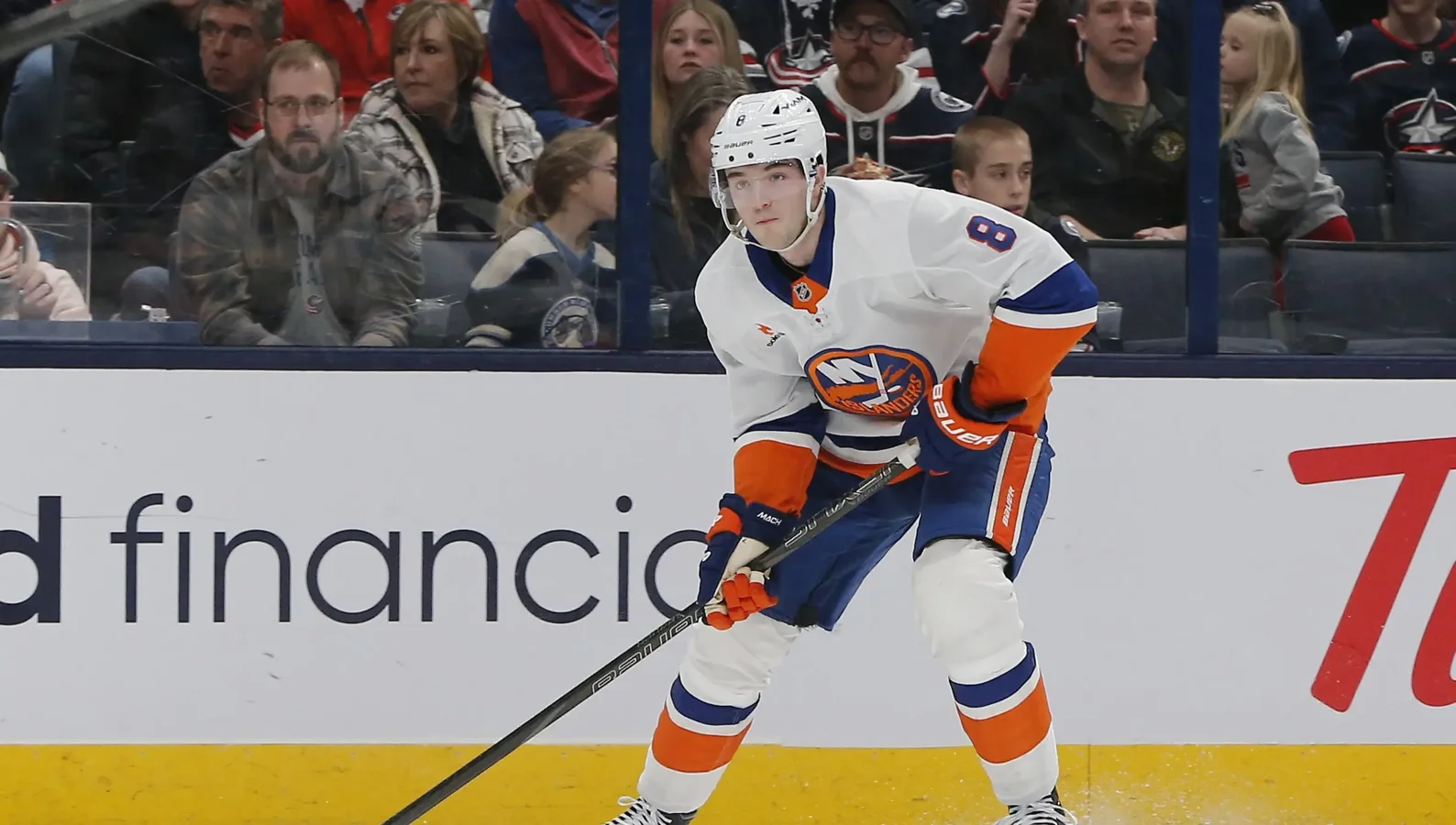

On the day of the NHL Draft, the New York Islanders traded defenseman Noah Dobson to the Montreal Canadiens just hours before their draft selection, a move that surprised many. Mathieu Darche, the Islanders’ general manager, had hoped his first major decision would revolve around a top draft pick, but instead Dobson, once seen as a key figure in the franchise’s future, was traded away.
The Canadiens gave up both first-round picks and prospect Emil Heineman in exchange for Dobson, making the return underwhelming from the Islanders’ perspective. Although Darche ideally wanted to keep Dobson in the lineup, circumstances made the trade necessary. Both teams anticipate the move will be beneficial long term if they capitalize on their next steps wisely.
Montreal Canadiens Make a Bold Move to Elevate Their Defense
This acquisition instantly reshapes the Canadiens’ trajectory, advancing their status from playoff hopefuls to genuine contenders in the Eastern Conference. With Dobson joining, Montreal adds a skilled playmaker to their defensive corps, pairing him alongside the recent Calder Trophy winner, Lane Hutson. Addressing a critical weakness—having allowed over three goals per game last season—this trade considerably strengthens their defensive depth while enhancing offensive potential.
General Manager Kent Hughes is signaling this is just the beginning of Montreal’s roster transformation. Promising prospect Logan Mailloux, whose skills mirror those of Dobson and Hutson, is among several assets Hughes could leverage for future moves. Fans should expect possible additional trades or impactful signings as the Canadiens position themselves to challenge elite Eastern Conference teams.
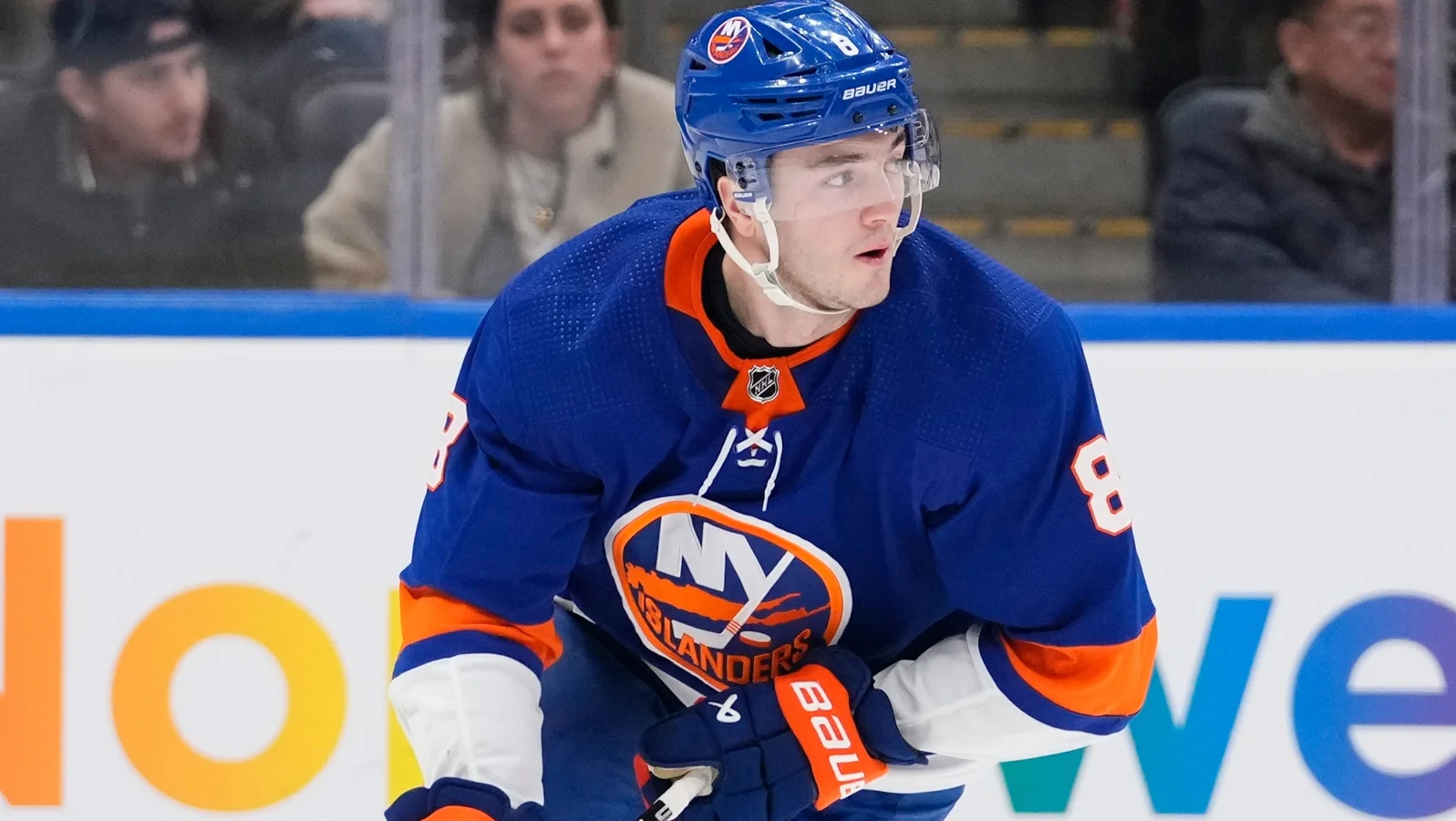
Islanders Reflect on Past Defensive Departures and the Challenges Ahead
Many see parallels between this trade and the Islanders’ previous loss of Devon Toews, another defenseman who left just as he was reaching his peak. Unlike Toews, who refused to re-sign with New York before joining Colorado’s Stanley Cup-winning roster, Dobson was expected to be a cornerstone for the Islanders. The organization is now without their intended successor, creating a defensive void.
Dobson’s contract with Montreal is substantial—an eight-year deal averaging $9.5 million annually—demonstrating the Canadiens’ belief in his potential to significantly impact their lineup. Ironically, while the Islanders originally acquired Alexander Romanov by trading away their 13th draft pick, which the Canadiens then flipped for Kirby Dach, it is now Montreal adding top-tier defensemen and New York collecting picks and prospects.
Evaluating the Risks Behind the Canadiens’ Defensive Tandem
Montreal hopes to deploy Dobson and Hutson as a dynamic top defensive pairing, combining scoring ability with strong puck-handling skills to fuel quick transition plays. Their offensive-minded style complements an already talented forward group, potentially elevating the team’s attack to a new level.
However, both defensemen tend to aggressively join offensive plays, risking defensive exposure. This aggressive strategy could leave the Canadiens vulnerable to counterattacks, especially since they currently lack seasoned, stay-at-home defense partners to balance their approach. Coach Martin St. Louis might separate the two on different pairings, but finding appropriate defensive partners remains a challenge that could affect immediate success.
What Lies Ahead for Mathieu Darche and the Islanders
Parting with Dobson leaves a noticeable gap for the Islanders, who will struggle to maintain their defensive stability and puck movement without him. Nevertheless, Darche now has opportunities to rebuild through the assets gained in the trade, including two first-round draft picks and Emil Heineman, a 23-year-old forward with a 10-goal season under his belt who could bolster the bottom six scoring.
The addition of prospects Victor Eklund and Kashawn Aitcheson strengthens New York’s farm depth, a crucial step for Darche’s long-term vision to restore the team’s competitiveness. Although missing out on James Hagens is a minor setback, these prospects provide important quantity as the Islanders focus on player development.
Another benefit for New York is increased salary cap flexibility. Freed from Dobson’s contract, the Islanders can look to re-sign Alexander Romanov as a foundational defenseman and secure other restricted free agents, while possibly pursuing a veteran addition in free agency. Eyes are already on the movement around Jean-Gabriel Pageau as the offseason progresses.
Trade Signals Different Directions but High Stakes for Both Franchises
This trade sends a clear message: the Islanders are entering a rebuilding phase requiring patience and development, while the Canadiens are taking an assertive stride toward contention. Darche is committed to addressing longstanding defensive challenges left by his predecessor Lou Lamoriello and to building a promising prospect base aimed at competing by the 2026-27 season.
Meanwhile, Kent Hughes’ strategy to integrate Dobson into a youthful, ascending group signals Montreal’s ambition to challenge divisional powers like the Florida Panthers. The stakes are high for both GM’s, with the Noah Dobson trade impact already reshaping the future landscapes of these storied franchises.
“The trade cost the Canadiens both of their draft selections in the first round, plus Emil Heineman. It’s an underwhelming return for Dobson and not how Darche wanted this to play out (ideally, he re-signs the defenseman).” —Mathieu Darche, Islanders GM
“Ideally, Dobson and Hutson play together on the top pair. It gives the Canadiens two scorers at the point and a fast-paced top pair.” —Martin St. Louis, Canadiens Head Coach
“The Dobson trade sends a clear message from both teams. The Islanders are taking their medicine next season, while the Canadiens are taking a big step forward.” —Kent Hughes, Canadiens GM