
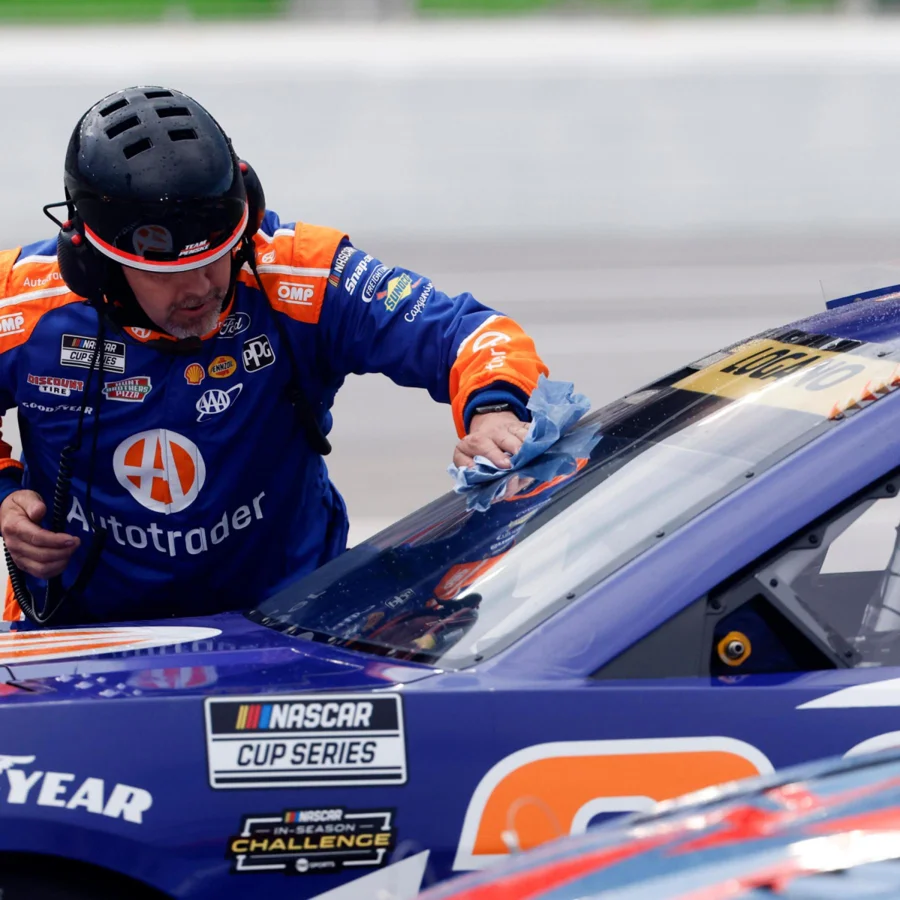

Chase Elliott earned a crucial victory at Atlanta Motor Speedway, bolstering Hendrick Motorsports after their previous win in May with Kyle Larson at Kansas. Although Larson and William Byron finished 17th and 37th respectively at Atlanta, Alex Bowman played a pivotal role in enabling Elliott’s race-winning move by pushing him past Brad Keselowski on the last lap.
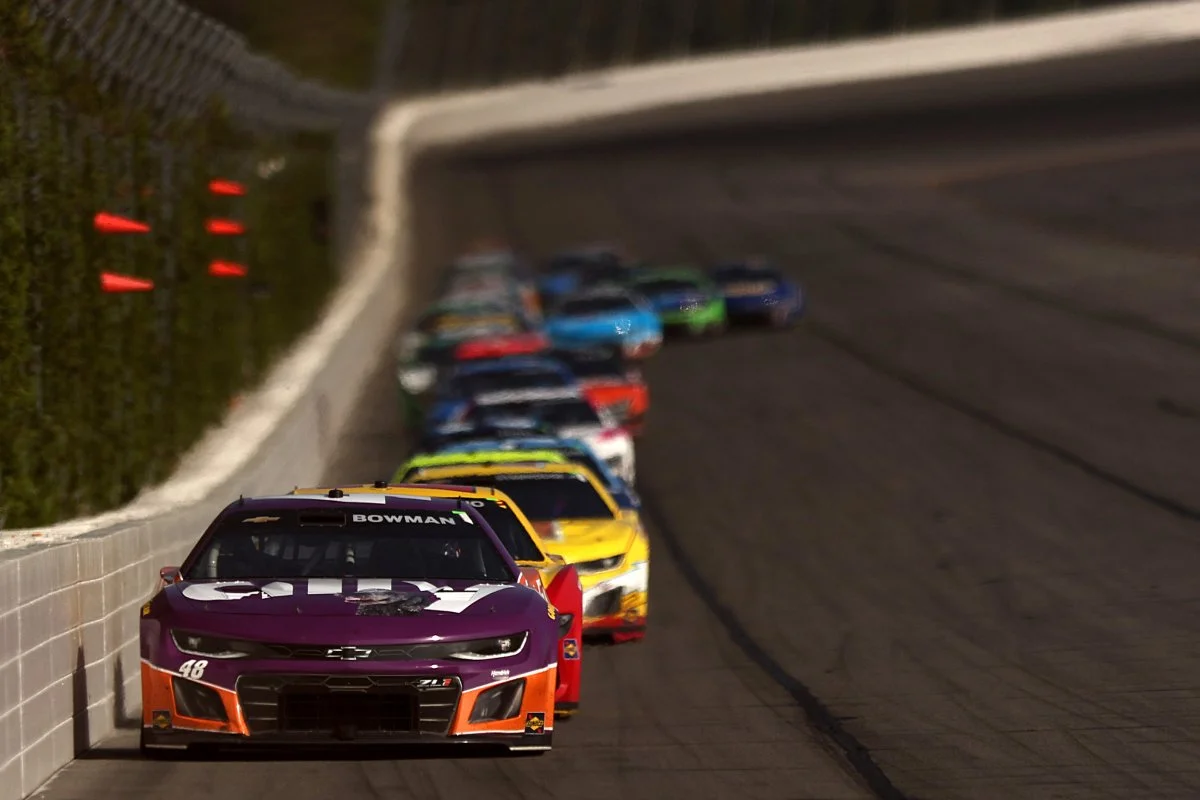
Bowman’s strategic position on the final lap allowed Elliott to overtake Keselowski’s No. 6 car entering Turn 1, a maneuver that ultimately secured Elliott’s win. Bowman finished third behind Keselowski, acknowledging that his final lap tactics were not aimed at winning but at aiding his teammate.
Bowman Reflects on Final Lap Strategy and Timing
When questioned about why he supported Elliott rather than challenging for the lead himself, Bowman was straightforward. He explained,
I didn’t really have a choice there on the last lap of what I was going to do. There wasn’t an opportunity for me to win the race, unfortunately… The way the race would shuffle the leader out every handful of laps, I just led too early there.
—Alex Bowman, NASCAR Driver
He also acknowledged that his vehicle’s performance was strong and that with more laps, he might have regained the lead. Bowman stated,
Yeah, we had a really, really good car. And certainly, a couple more laps, we would have probably shuffled back to the lead at some point. Just got the timing wrong and didn’t maintain control of the race.
—Alex Bowman, NASCAR Driver
Responding to Brad Keselowski’s comments about collaborating with Elliott late in the race, Bowman noted,
I mean, I think Brad worked really well with his teammates too at times,
—Alex Bowman, NASCAR Driver
While Bowman would have preferred a better finish, he accepted the result as a consequence of timing rather than team orders to push Elliott or hold position.
Challenges and Opportunities for Hendrick Motorsports at Atlanta
Elliott’s car featured a design created by Rhealynn Mills, an 11-year-old pediatric cancer patient at Children’s Healthcare of Atlanta, as part of the DESI9N TO DRIVE initiative. Despite near disaster in Stage 2, where Elliott narrowly avoided a large crash while leading, he remained in strong contention throughout the race.
Hendrick Motorsports saw mixed results among its drivers: Bowman emerged with little damage and stayed competitive, Larson endured minor issues but stayed in the race, while Byron was involved in the multi-car incident and had to retire early, though he managed to collect seven stage points despite a 37th-place finish.
Key Position Shifts as the Race Reached its Final Laps
The lead changed hands multiple times late in the race among Elliott, Keselowski, and Tyler Reddick. With five laps remaining, Keselowski led the pack, followed by Reddick, Ricky Stenhouse Jr., Bowman, and Elliott in fifth place.
On Lap 258, Elliott made a crucial move on the backstretch, passing Bowman and Stenhouse before closing alongside Reddick. He completed this pass on Turn 2 of the next lap, moving into contention for the race lead and setting the stage for the final lap battle.
Significance of Bowman’s Final Lap Decisions and Team Dynamics
Bowman’s admission that he led “too early” highlights the importance of pacing and timing in NASCAR’s closing laps. His role as a pusher for Elliott not only facilitated the win but also demonstrated teamwork under high-pressure conditions. While Bowman’s race could have unfolded differently with altered timing, his cooperation helped Hendrick Motorsports secure a vital victory on a challenging day.
Looking ahead, this finish may affect how the team approaches final lap strategies, balancing individual ambition with team goals at key events such as Atlanta. Elliott’s victory, propelled by Bowman’s well-timed assist, underscores the complex decisions drivers face in tightly contested races.