
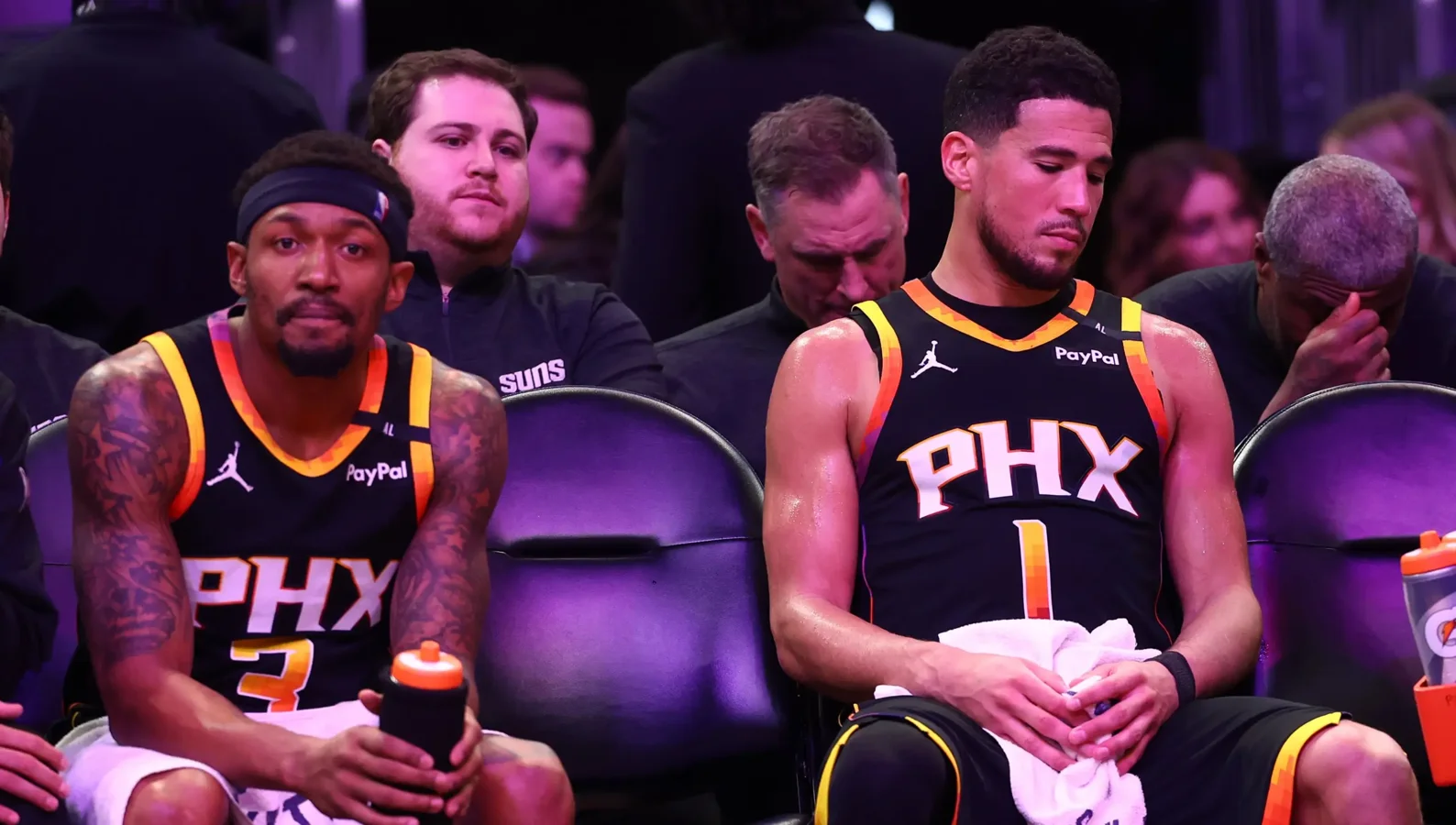

Bradley Beal of the Phoenix Suns holds a rare and powerful asset in his NBA contract: a full no-trade clause. This provision grants Beal complete control over any potential trade involving him, demonstrating a significant level of influence that few players possess. As the Suns navigate their roster and future plans, this clause introduces both opportunities and complications within the team‘s dynamics.
What a Full No-Trade Clause Means for a Player
A full no-trade clause allows a player to veto any proposed trade, essentially giving them the final say on where they might be relocated. This kind of contractual feature is seldom given, typically reserved for top-tier players who have demonstrated exceptional value and commitment to their franchises. In Beal’s case, securing this clause highlights his standing in the league and the unique terms negotiated during his contract discussions.
For the Suns, the clause limits the flexibility to move Beal, which would otherwise be an option if adjustments to the roster become necessary. This limitation affects decision-making processes related to salary management, player roles, and the overall team structure.
Challenges for the Suns’ Team Planning
The no-trade clause restricts the Suns’ ability to respond quickly to changing circumstances such as performance setbacks or injuries. Without Beal’s approval, trading him is off the table, making it harder for the organization to pivot their strategy if needed. This obstacle could potentially slow the team’s progress or reduce their adaptability in a rapidly evolving NBA season.
Additionally, the Suns must prioritize maintaining Beal’s satisfaction within the team environment. His power to block trades means the organization needs to carefully balance roster moves and team culture to keep their star player motivated and engaged. This balancing act impacts team morale and the overall harmony within the franchise.
Broader Implications for Player Empowerment in the NBA
Beal’s situation exemplifies a growing trend in the NBA where players gain more control over their careers through contractual provisions like no-trade clauses. This evolution reflects the increasing emphasis on player agency, shifting traditional power dynamics between athletes and teams. For the Suns and other franchises, such clauses introduce complex strategic considerations as they work to align star players’ interests with organizational goals.
The decisions made by Phoenix regarding Bradley Beal’s role and status will likely have lasting effects, shaping the franchise’s direction in a demanding basketball landscape. Balancing Beal’s substantial influence with team ambitions will be a critical challenge moving forward.