
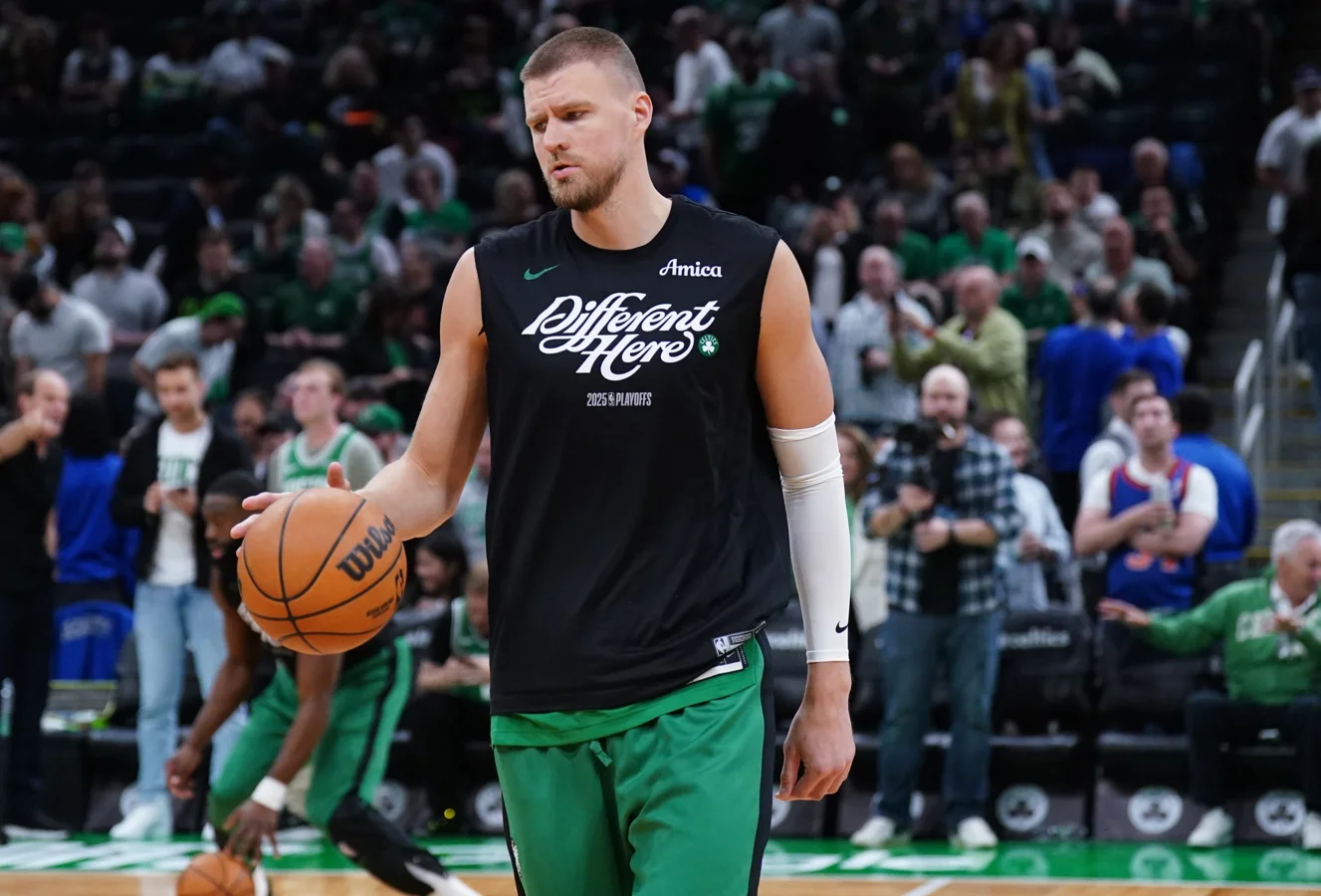

The Boston Celtics have initiated important roster changes by trading Jrue Holiday and Kristaps Porzingis in response to the NBA’s new salary cap rules. These moves, made early in the offseason, aim to help the team manage financial constraints while maintaining competitiveness on the court.
NBA Salary Cap Changes Drive Celtics’ Decisions
The recent adjustments to the NBA salary cap, including the addition of the second apron, have forced teams like the Celtics to rethink their payroll strategies. By moving Holiday and Porzingis, Boston has reduced immediate salary obligations, gaining flexibility to navigate these new financial limits. This approach highlights the team’s effort to balance retaining talent with compliance to the salary regulations.
Long-Term Effects on Team Composition
Beyond easing current salary caps, these trades impact the Celtics’ future roster plans. The organization faces challenges in potentially re-signing key players while continuing to build a competitive lineup. As the offseason continues, securing a strong, balanced team within the constraints of the revised salary framework will remain a top priority for the Celtics’ management.
The Path Forward for the Celtics
With the NBA landscape undergoing these significant financial shifts, Boston’s proactive roster management could influence how other franchises handle similar challenges. The team now stands at a critical juncture, needing to find harmony between immediate performance goals and long-term sustainability under the new cap structure. How the Celtics proceed this offseason may well determine both their present success and future direction.