
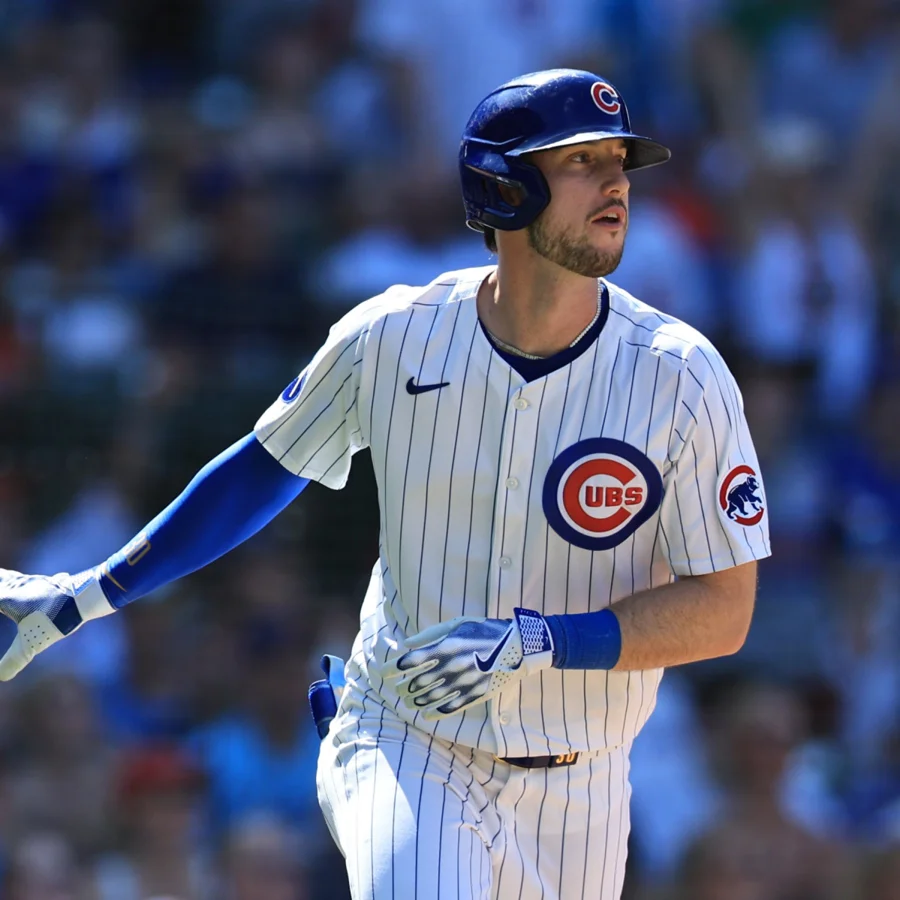

During the offseason, the Chicago Cubs made a notable move by trading for Kyle Tucker from the Houston Astros, signaling a determined push toward immediate success. This acquisition not only transformed the Cubs’ lineup but also attracted widespread attention across Major League Baseball, with many debating the lasting effects of the trade on the team’s trajectory.
Tucker’s Role in Elevating the Cubs’ Performance
Six months into the season, Kyle Tucker has proven to be an essential asset for the Cubs. His offensive skills, particularly his run production and consistent batting average, have been key factors in the team’s strong position atop the National League Central standings. Tucker’s contributions have reinvigorated the Cubs’ competitive spirit, making them a serious contender within the division.
Emerging Concerns Over Long-Term Team Stability
Despite the immediate successes, concerns have begun to surface about the trade’s implications for the Cubs’ future. While Tucker’s performance has raised hopes for a championship run, the added financial and roster commitments may challenge the team’s flexibility in the coming years. Maintaining a balance between capitalizing on current momentum and safeguarding long-term prospects presents a complex challenge for the organization.
Balancing Present Success with Future Planning
The Cubs’ position as division leaders reflects their aggressive approach to winning now, but it also underscores the need for careful management moving forward. The front office faces critical decisions regarding how to build around Tucker’s talents without jeopardizing the organization’s broader vision. Handling these competing priorities will be vital as the Cubs aim to sustain their competitive edge.
Looking Ahead: Implications for the Cubs and Kyle Tucker
Kyle Tucker’s immediate impact has undeniably boosted the Cubs’ standing in the National League Central, offering renewed hope to the team and its fans. However, as the season progresses, the organization must remain cautious and strategic to avoid potential pitfalls associated with this bold acquisition. How the Cubs manage these challenges will shape their chances for sustained success in the seasons to come.