
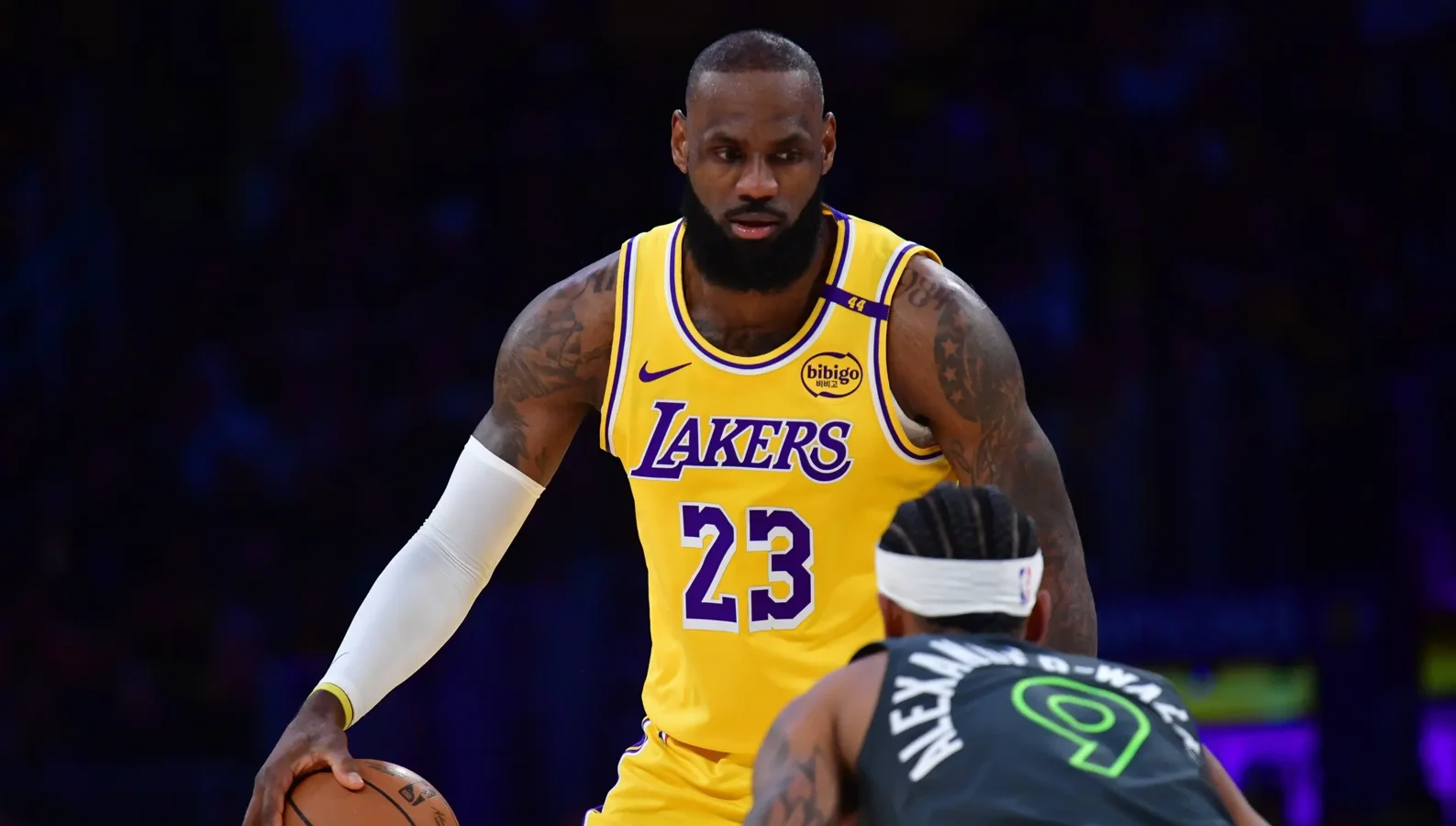

LeBron James‘ career journey may be heading back to where it began, as rumors swirl about a possible trade to the Cleveland Cavaliers during the 2025-26 NBA season. This potential LeBron James Cleveland Cavaliers trade stands out not only for its emotional narrative but also for its strategic benefits to both the Lakers and Cavaliers, given their current team compositions and future goals.
James first returned to Cleveland in 2014 with a clear mission: to bring a championship to his hometown. He declared,
“My goal is still to win as many titles as possible, no question,”
and notably emphasized that
“what’s most important for me is bringing one trophy back to Northeast Ohio.”
When Cleveland captured the 2016 NBA title, it seemed that chapter had been completed. However, James’ subsequent move to the Los Angeles Lakers in 2018 appeared to close the door on returning to Cleveland—until now.
Reassessing LeBron’s Desire to Finish His Career in Cleveland
James has never hidden his intention to end his playing days in Cleveland. In a candid statement to Sports Illustrated, he revealed,
“I always believed that I’d return to Cleveland and finish my career there. I just didn’t know when.”
His family considerations also weigh heavily, with two sons, including Bronny who currently plays alongside him on the Lakers, and a daughter still at school. As James approaches the twilight of his career, the alignment of personal and professional factors may finally converge to bring him back to Cleveland.
Meanwhile, the Lakers are transitioning around a younger core led by 26-year-old star Luka Dončić, acquired at the trade deadline. Although the Lakers expect to contend for years to come, James operates on a much narrower timeline, likely viewing this as his final season. His agent, Rich Paul, has emphasized James’ focus:
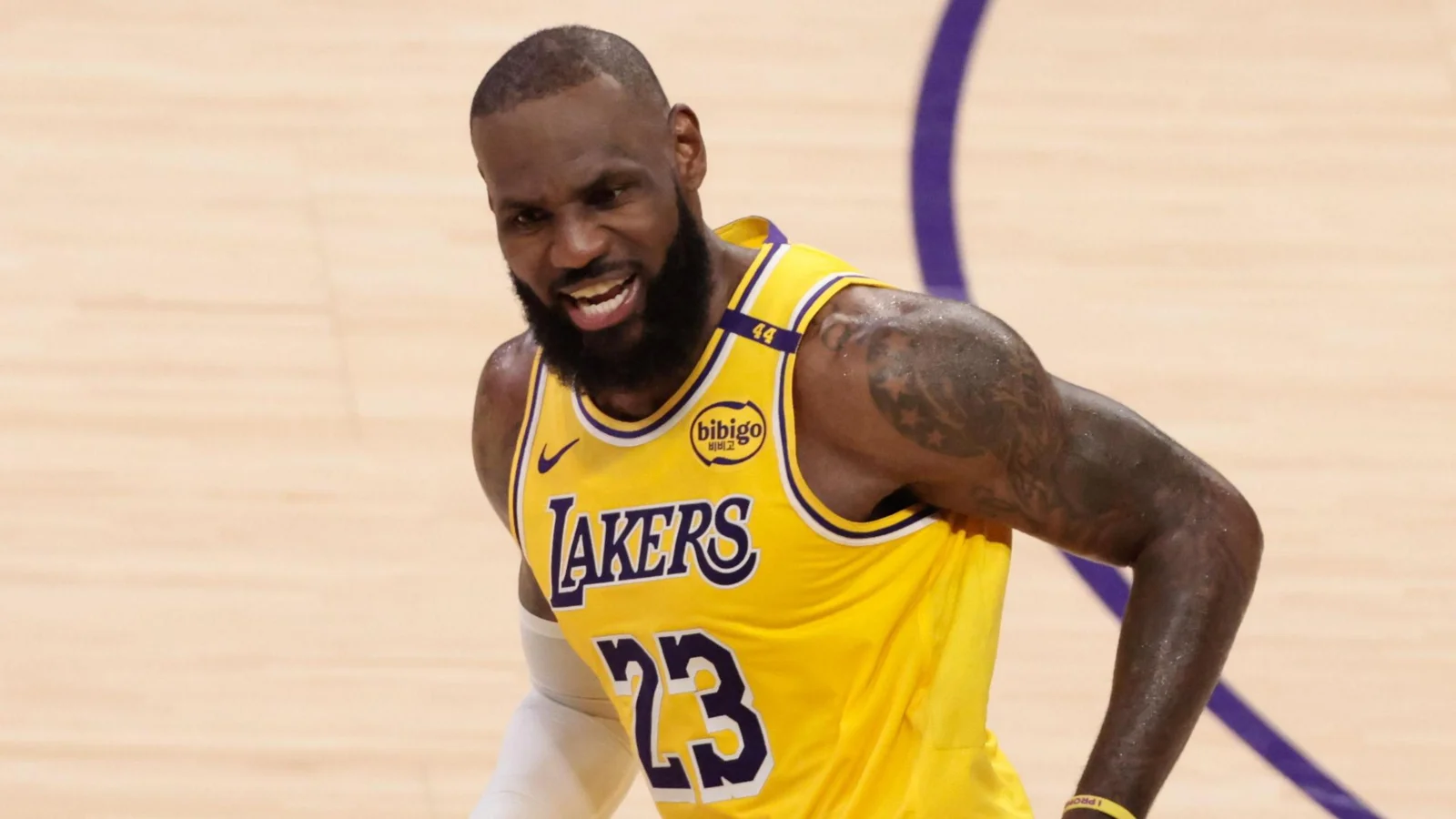
“LeBron wants to compete for a championship,”
and
“he values a realistic chance of winning it all.”
This disconnect in timelines highlights a possible move to separate, where both James and the Lakers could pursue their goals independently.
The Lakers’ Dilemma: Balancing Present and Future Ambitions
For the Lakers, managing their roster under the NBA’s collective bargaining agreement (CBA) and salary cap rules is challenging. They enter free agency without a center and face uncertainty as wing player Dorian Finney-Smith opts out searching for a long-term contract. If the Lakers want to preserve cap space for 2026 and beyond, they may have little choice but to part with James so they can prioritize building around Dončić and Austin Reaves.
James’ contract, currently valued at $52.6 million, is large and complicates any trade. A deal involving him would require matching salaries and salary cap strategizing, especially with the Cavaliers operating above the so-called “second apron” luxury tax line. As a result, this trade scenario demands creative asset management, likely involving multiple player salaries and draft pick swaps to comply with the CBA.
Why Cleveland Could Be the Ideal Landing Spot for LeBron Now
The Cavaliers have emerged as the top contenders in the Eastern Conference, holding the favorite tag to represent the East despite James’ absence. Having just won 64 games last season and bolstered by players like Darius Garland, Donovan Mitchell, and Evan Mobley, Cleveland stands ready for a championship run in 2026 or 2027. The team’s willingness to exceed luxury tax thresholds demonstrates a commitment to immediate success, making it the right environment for James to maximize his final title chase.
Cleveland’s payroll swells to roughly $400 million including luxury taxes once the roster is set, which complicates absorbing James’ salary but also reveals their appetite to win now. The blend of James’ veteran leadership and the young talent on Cleveland’s roster could create a powerful playoff combination built for postseason success.
Trade Mechanics and Financial Complexities
Turning this trade into reality is an enormous puzzle. Even though the Cavaliers have financial flexibility, the CBA’s hard cap rules pose major hurdles. To absorb James’ contract legally, Cleveland would need to shed over $20 million in salary, a tough task given their current roster’s high cost.
An essential piece the Lakers might want is former All-Star center Jarrett Allen, but his $20 million salary only makes a modest dent in the financial balancing act. To meet cap requirements, the Cavaliers would likely have to include multiple players like Darius Garland, De’Andre Hunter, and Max Strus, which intensifies the stakes for Cleveland’s core.
For example, sending Garland, Allen, and Hunter to Los Angeles could save about $28 million in salary, making the trade viable under league rules, especially if the Lakers include Bronny James alongside LeBron in the deal. Adding draft picks or swapping additional assets could further finesse the details, with Brooklyn potentially playing a role as a third team to absorb salary or facilitate cap space management.
Strategic Considerations for Both Teams’ Rosters
From the Lakers’ perspective, acquiring younger players with longer contracts aligns with a rebuild or retooling strategy after James’ departure. Garland’s skill and age make him an attractive asset, but his high usage and style may conflict with Dončić and Reaves, limiting the Lakers’ long-term fit. The organization may deliberate on trading Garland elsewhere for picks or expirings that better suit their timeline, while holding on to prized assets like Allen and Hunter.
Cleveland, meanwhile, faces a difficult choice between retaining youth or adding James’ elite playoff experience and leadership. Despite Garland and Allen having criticism regarding their postseason performances, their long-term value remains strong. However, acquiring James, who remains exceptional in playoff scenarios, could immediately elevate the team’s championship odds, making the inevitable youth turnover less urgent.
The Intangible Factors: Legacy, Reputation, and Relationships
This trade scenario involves more than contracts and talent evaluation. Historically, the Lakers have cherished their superstars, rarely trading them mid-career. Iconic figures such as Kobe Bryant, Magic Johnson, and Jerry West each concluded their careers in Los Angeles, reflecting a franchise culture focused on loyalty and legacy. LeBron’s association with the Lakers and his ambition to be the greatest player ever afford him significant influence in any trade discussions, especially given his no-trade clause.
Cleveland’s ownership and front office also shoulder emotional weight with this potential move. Team president Koby Altman and owner Dan Gilbert have invested heavily in constructing a team post-James’ 2018 departure and previously demonstrated willingness to support James with substantial luxury tax payments. Garland once expressed a desire
“to have our own legacy without having anything with ‘Bron to do with it, that would be pretty cool,”
indicating personal and team dynamics that complicate the decision.
Ultimately, James controls much of the trade power, but the Cavaliers must weigh the cost of disrupting their young core against the benefit of adding a fading yet still impactful legend. The “two to tango” reality means Cleveland’s willingness will be just as pivotal as James’ desire.
What This Trade Could Mean for the NBA Landscape
If this trade unfolds, it would be unprecedented for a team to exchange multiple key young players for a superstar nearing 40 who has only a year or so left on his contract. Yet, the potential reward is immense—a veteran presence capable of pushing the Cavaliers over the championship hump in a weakened Eastern Conference.
James’ playoff prowess remains formidable; last season, he averaged 25 points, nine rebounds, and five assists in crucial games, often carrying the Lakers singlehandedly. Pairing him with Donovan Mitchell and Evan Mobley on Cleveland could create one of the most balanced and dynamic playoff rosters in the league.
Financially, the trade might even help Cleveland manage future luxury tax burdens if James takes less money or only plays a season or two. This approach would ease long-term fiscal pressures, allowing the Cavaliers to rebuild with younger assets and draft picks while leveraging a championship window in the short term.
Next Steps: Weighing the Risks and Rewards
While the logistical and financial challenges are immense, the potential LeBron James Cleveland Cavaliers trade represents a rare opportunity for both franchises to achieve their goals. The Lakers can reset toward the future, capitalizing on James’ waning trade value to acquire younger players and draft assets, while the Cavaliers can position themselves as immediate title contenders with a proven winner leading the charge.
However, personal considerations, legacy implications, and the complicated realities of NBA contracts mean this scenario will face intense scrutiny and negotiation. Cleveland’s willingness to part with players like Garland or Allen and the Lakers’ readiness to shift away from James’ final season will shape whether this win-win trade can materialize or remain just a compelling “what if.”