
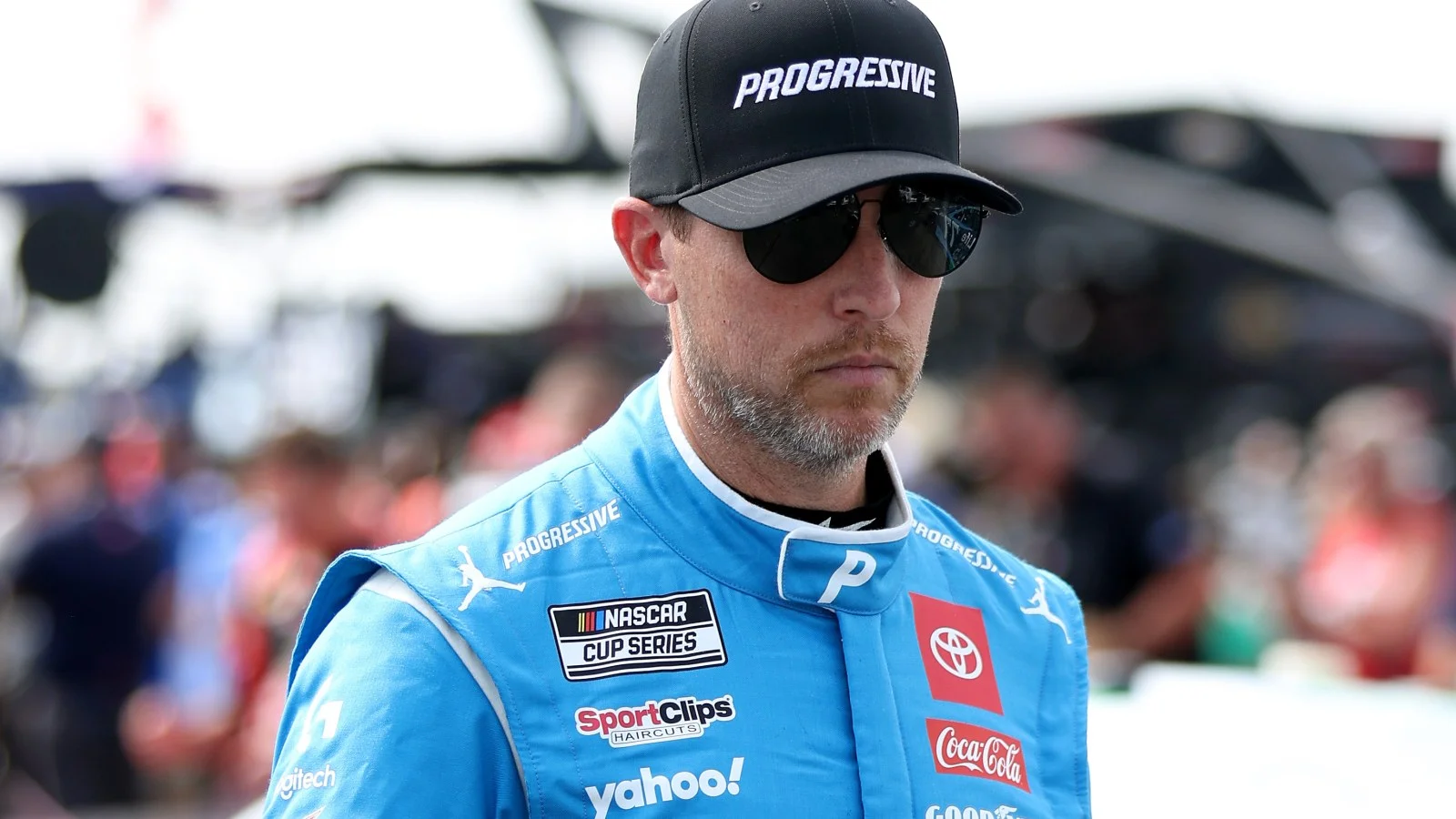

In 2010, NASCAR driver Denny Hamlin suggested shrinking the NASCAR schedule, arguing that the current lineup of races was excessive. He believed shortening the season would improve the overall quality and fan engagement of the sport. Hamlin made these points during an interview with SB Nation, emphasizing that a reduced number of races could generate more enthusiasm among fans.
Hamlin explained his rationale, noting that fans have too many choices with the current 36 points-paying events, plus additional special races like the Clash and All-Star Race. He said,
“There are so many races that the fans have too many options. If you had 25 races or 20 races, something like that, there’d be more of a demand for the race ticket.”
He further argued the competitive aspect would intensify, stating,
“I think you’d probably see better racing because of it, too, honestly. Because the less chances we have to get wins, the more aggressive we’re going to be.”
At that time, Hamlin was among the frontrunners in the Sprint Cup Series standings, highlighting the significance of his suggestion.
Implications of a Shorter Season on Racing Strategy and Finances
Hamlin detailed how reducing the number of scheduled races would change racing dynamics by raising the stakes at each event. With fewer opportunities to win, drivers would need to take more risks on the track, creating more intense and engaging contests for fans.
He also recognized potential financial drawbacks, including lower revenues from television contracts and sponsorship deals. However, Hamlin felt that improving the sport’s appeal and increasing ticket demand could outweigh these short-term losses, leading to a stronger product overall.
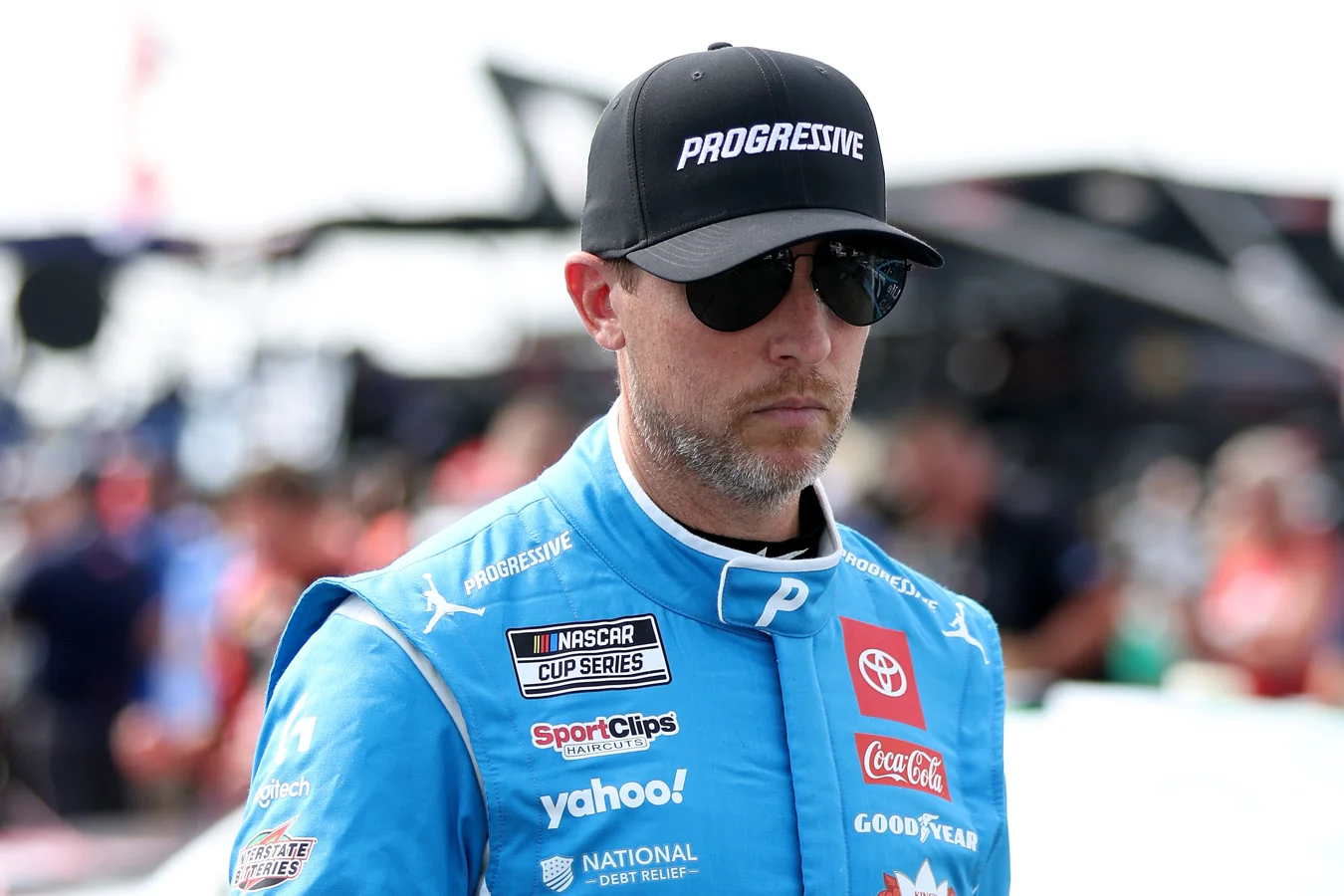
Hamlin’s Competitive Nature Resurfaces Amid Phoenix Incident
In 2023, Denny Hamlin openly admitted to an aggressive maneuver during a late-race clash with rival Ross Chastain at Phoenix Raceway. On his Actions Detrimental podcast, Hamlin described the moment where he deliberately took a risk to maintain position despite the consequences.
“I said, ‘You’re coming with me, buddy.’ I did… no, it wasn’t a mistake. I unleashed. I let the wheel go,”
Hamlin confessed, reflecting an unapologetic attitude toward the incident.
This candid admission turned the incident into a controversy beyond a typical racing collision. NASCAR swiftly penalized Hamlin with a $50,000 fine and docked 25 driver points, citing violations of sections in the NASCAR Rule Book relating to conduct detrimental to the sport.
The Growing Rivalry and Official Response
The Phoenix incident was a climax to several confrontations between Hamlin and Chastain that began in 2022. Their rivalry intensified the stakes, making the collision feel personal rather than purely competitive.
NASCAR officials viewed Hamlin’s confession as a challenge to the sport’s standards of sportsmanship. Following the penalty, Hamlin appealed the decision, arguing on social media platform X that the racing was firmly within acceptable limits.
“There was also no manipulation of the race nor actions detrimental to the sport,”
he stated.
Despite his appeal, the National Motorsports Appeals Panel upheld NASCAR’s ruling, underscoring the sport’s commitment to maintaining discipline and professionalism amid increasingly media-driven scrutiny.
The Impact of Transparency and What Lies Ahead for NASCAR
Hamlin’s frankness about his on-track tactics sparked a dialogue around driver transparency in an era where media coverage magnifies every move. While some fans praised his honesty, the episode also highlighted risks associated with openly admitting to deliberate aggressive behavior.
The evolving relationship between driver conduct and regulatory enforcement will likely shape NASCAR’s future, balancing entertainment with fair competition. Hamlin’s earlier season proposal and recent Phoenix incident together underscore ongoing tensions between competitive intensity and maintaining the sport’s integrity.