
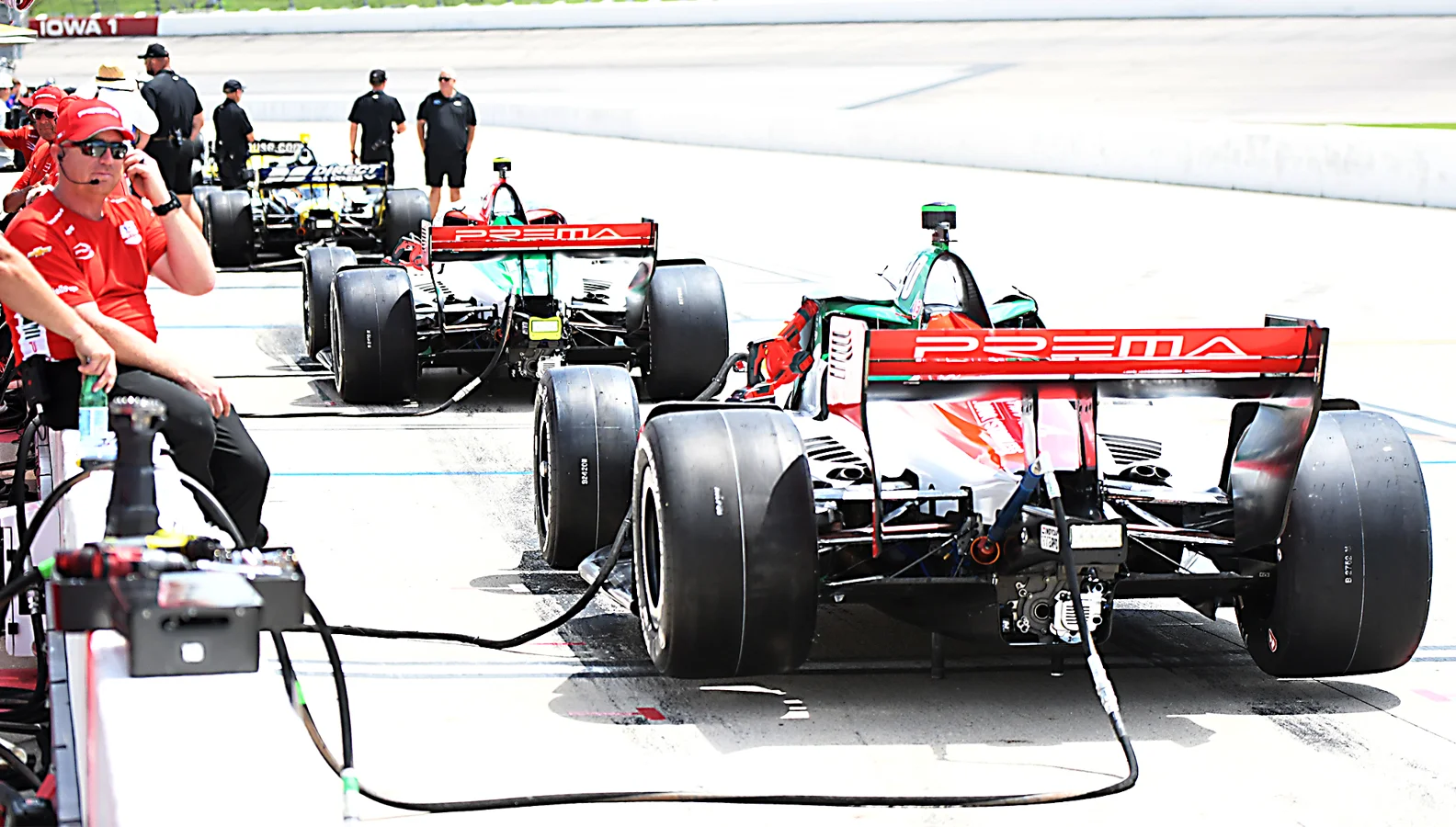

Meyer Shank Racing driver Felix Rosenqvist recently addressed uncertainties surrounding the team‘s preparation for the upcoming Iowa doubleheader races scheduled for July 11-13. The Swedish racer expressed doubts about which car setup would be optimal for the two back-to-back events, raising questions about the team’s approach to the doubleheader weekend.
Rosenqvist, who pilots the #60 car powered by Honda, participated in testing at Iowa on June 25 as part of preparations for the races. The weekend will feature two races: the first on Saturday, July 12, and the second on Sunday, July 13, with each race extended by 25 laps compared to last year. Despite these efforts, Rosenqvist conveyed that the team has yet to finalize the ideal downforce settings and overall setup strategy.
“I think we’re still not sure, like, exactly what we’re going to run in the race in terms of downforce and stuff. I think we’re still deciding. So we tried a bunch of different setups, basically so we’re ready for whatever it’s going to be. Also, like in the test, I normally run the highline. I think the highline will be usable in the race but normally on a race like this you just kind of end up in a single file. So still more to come always great to be out here it’s double points technically with two races so even more important,”
Rosenqvist shared via IndyCar on Fox.
The closed testing session allowed drivers to gain track time, but no official data or detailed insights about the test were released by teams or organizers. Meyer Shank Racing and Rosenqvist aim to use this testing period to gather as much information as possible to optimize their performance in what will be a demanding doubleheader weekend.
Rosenqvist’s 2025 Season Progress and Recent Performances
Throughout the 2025 season, Felix Rosenqvist has shown promising form, highlighted by solid qualifying efforts and competitive race finishes. He opened the campaign by qualifying third at the Firestone Grand Prix of St. Petersburg on March 2, though he concluded that race in seventh place. More recently, at the XPEL Grand Prix at Road America, he qualified 12th but improved considerably to finish second.
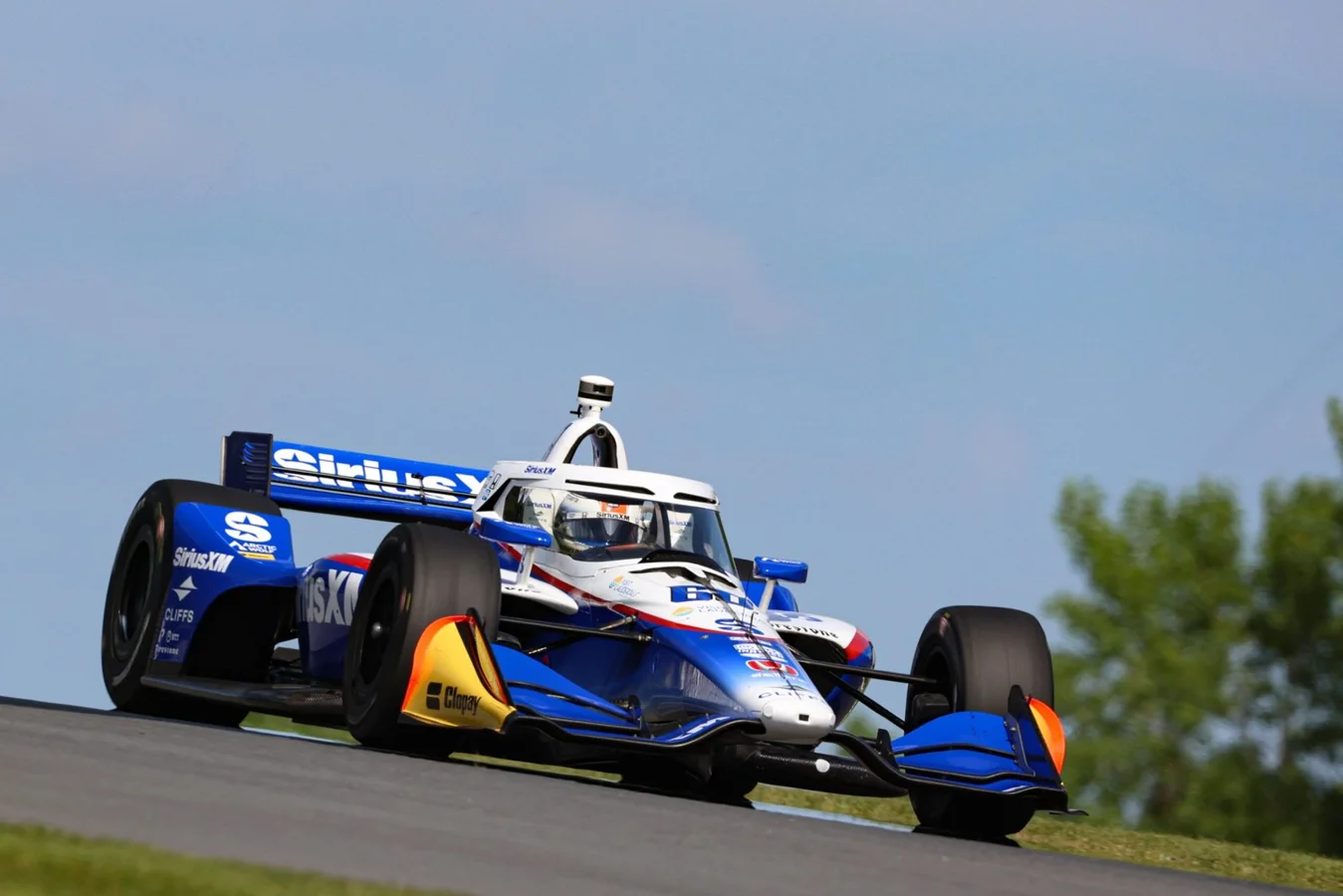
This second-place finish at Road America was significant for Rosenqvist, marking his first podium of the season and breaking a dry spell that began after his last podium at the Thermal Club race—a non-Championship event. His ability to navigate through a chaotic race with multiple incidents and maintain composure enabled him to secure a strong result.
Reflecting on this achievement after the Road America race, Rosenqvist stated,
“Yeah, I think we had kind of bad luck in the last few races, haven’t really had a good go. But yeah, good comeback now, it’s been a while since I’ve been on the podium, had to ask on the radio where to park the car so it’s a good thing. I feel like we finally got what we deserved this year.”
Currently, Rosenqvist holds fourth place in the drivers’ championship standings with 231 points, positioning himself as a strong contender as the season advances.
Challenges and Expectations for the Iowa Doubleheader
The Iowa doubleheader presents Meyer Shank Racing and Felix Rosenqvist with a unique challenge, particularly due to the extended race distance and back-to-back event format. The team’s indecision regarding the downforce setup reflects the need to balance speed with tire management and stability over longer stints. The possibility that the racing will often settle into single-file lines at Iowa adds another variable in strategizing the optimal approach.
With double points available over the weekend, the stakes are higher than usual, emphasizing the importance of making the right setup decisions. Success at Iowa could significantly influence Rosenqvist’s championship campaign, making the testing and preparation phase critical despite lingering uncertainties.
As the July races approach, both Meyer Shank Racing and Felix Rosenqvist will continue refining their strategies, seeking to convert their testing efforts into strong race results and capitalize on the doubleheader format’s potential opportunities.