
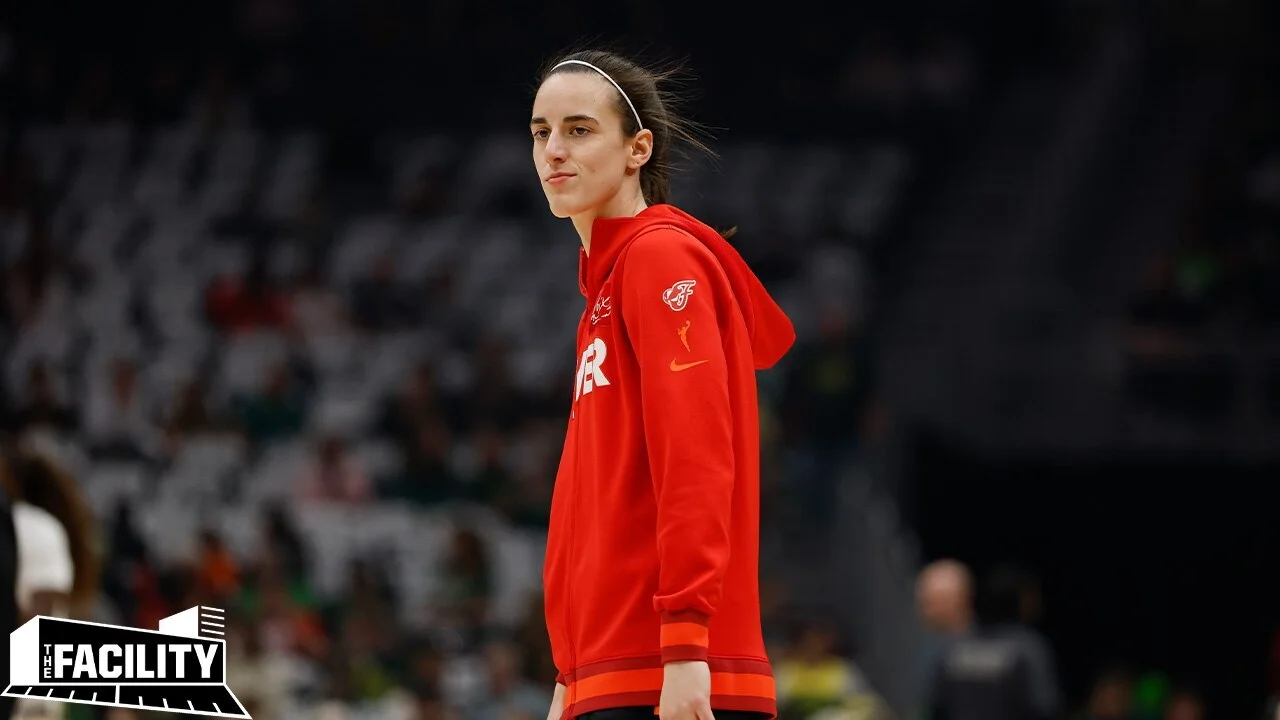

Indiana Fever guard Caitlin Clark has made a strong impact in the WNBA despite some controversies surrounding her treatment by other players. Over nine games, Clark averaged 18.2 points, 8.9 assists, and 5.0 rebounds per game, even after missing three weeks due to a left quad strain. Though officially welcomed as one of the league’s top talents and selected as an All-Star team captain for the upcoming WNBA All-Star game on July 19, Clark’s experience with peers has not always been positive.
Clark, 23, was involved in a physical altercation during a June 17 game against the Connecticut Sun. After Clark shoved guard Jacy Sheldon in response to an eye poke, Connecticut’s Marina Mabrey shoved Clark to the floor late in the third quarter. The league issued Clark a technical foul while Mabrey received an upgraded flagrant two foul after review.
Vitale Voices Support for Clark Amid Player Disputes
ESPN analyst Dick Vitale spoke out on social media about what he sees as unfair treatment of Clark by some WNBA players. On Twitter, Vitale described the situation as “ABSURD,” pointing out that despite the criticism Clark faces from certain players, she brings significant value to the league.
It is ABSURD the way that a # of players in the @WNBA have treated @CaitlinClark22,
—Dick Vitale, ESPN Broadcaster
So sad, but I bet they love the CHARTER FLIGHTS – the increase in SALARIES – the CROWDS – and the TV ratings since she arrived from @IowaWBB.
—Dick Vitale, ESPN Broadcaster
Clark’s rise began during her collegiate career with the Iowa Hawkeyes (2021-24), where her dynamic play helped boost women’s basketball viewership and ratings. Since joining the Fever in 2024, she has similarly lifted the profile of the WNBA, contributing to its growth as a major professional sports league.
No doubt she is THE BEST – thing to happen to the WNBA,
—Dick Vitale, ESPN Broadcaster
Impact on Women’s Basketball and the League’s Future
Caitlin Clark’s arrival in the WNBA has coincided with noteworthy gains in audience interest and league visibility, suggesting her influence extends beyond on-court performance. While disputes with other players have raised questions about her acceptance within the player community, Clark continues to be a key figure driving the sport forward. Her prominence is likely to encourage further investment and attention toward women’s basketball as the WNBA evolves.