
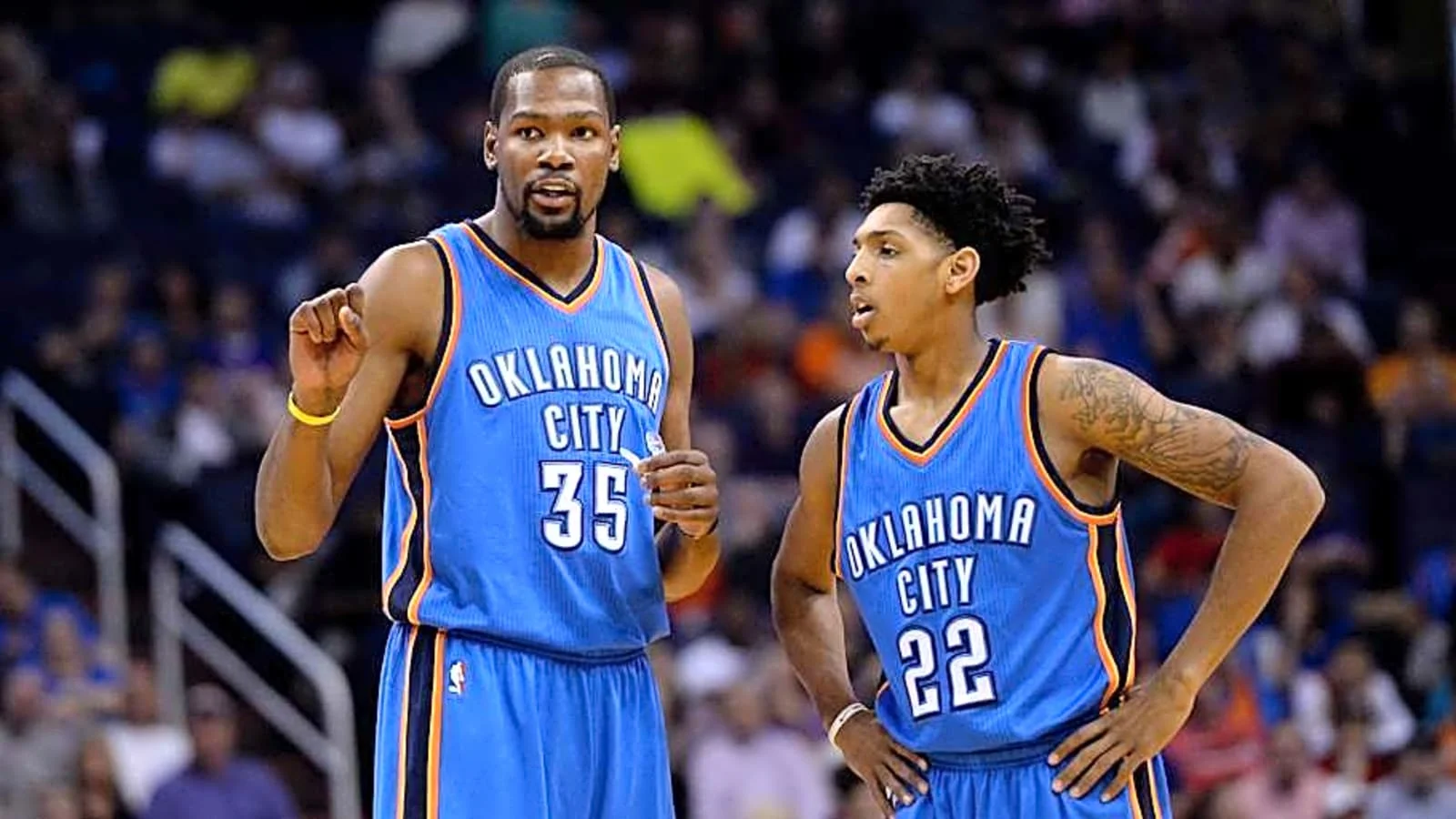

Kevin Durant recently discussed the Oklahoma City Thunder’s decision to trade James Harden in October 2012, explaining that the franchise was not prepared for the rapid success they experienced during the 2011-12 season. Speaking on the Mind the Game podcast, Durant said the front office and ownership struggled to manage expectations after reaching the NBA Finals so quickly. He described the period as a unique time when the team accelerated its timeline beyond what the executives were ready to handle.
It’s a different era. I think we exceeded expectations with that team (in 2011-12). And when you reach the Finals, and you go through a run like that so quick, I don’t think a GM or owner was ready for that. …. We sped up the timeline, all of us,
said Durant.
Comparing the 2011-12 and 2024-25 Thunder Teams
The current Oklahoma City Thunder roster draws striking parallels to the team Durant played with a decade ago. Both squads featured high-scoring leaders—Durant and Shai Gilgeous-Alexander topping the league this year—and included multiple All-Stars as well as elite defenders like Serge Ibaka and Chet Holmgren. Additionally, each roster boasted an impactful sixth man, with Harden filling that role in 2011-12 and Alex Caruso this season.
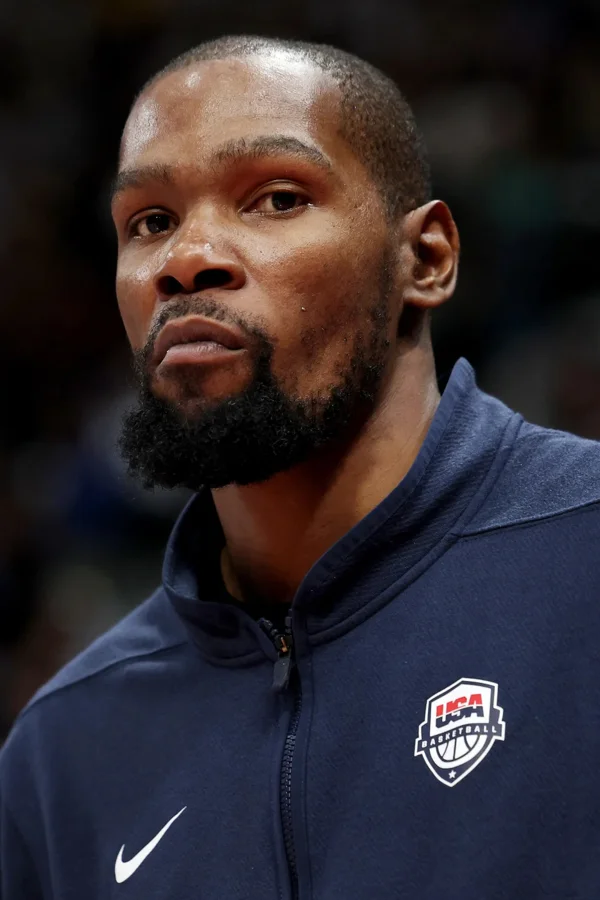
The 2024-25 Thunder are slightly younger on average compared to their earlier counterparts, but have also achieved more, winning the NBA title this year in contrast to the 2011-12 team’s Finals loss to the Miami Heat. That 2012 Finals appearance was the only one featuring the Durant-Harden-Westbrook trio, whose breakup reshaped the NBA landscape for years.
Financial Challenges Behind Trading Harden
James Harden’s trade to the Houston Rockets came shortly before the 2012-13 season after contract negotiations with the Thunder faltered. Harden sought a four-year, $60 million max extension, but the Thunder’s highest offer topped out at $55.5 million. Since Durant and Russell Westbrook had already secured max deals, adding Harden’s full max salary would have pushed Oklahoma City far beyond the luxury tax threshold, resulting in a combined payroll and tax bill of approximately $105 million.
While $105 million might seem modest compared to current NBA payrolls, such a figure was particularly daunting for a small-market franchise like Oklahoma City at the time. This financial strain played a pivotal role in the Thunder’s decision to part ways with Harden despite his growing impact.
Long-Term Effects of the Harden Trade on the Thunder and NBA
Following Harden’s departure, the Thunder remained competitive in the Western Conference, reaching the conference finals twice over the next three seasons under Durant and Westbrook’s leadership. Durant’s eventual move to the Golden State Warriors after the 2015-16 season marked the end of that era.
Meanwhile, Harden’s presence elevated the Houston Rockets into a consistent Western Conference contender. During his first five seasons with Houston, Harden helped guide the team to at least 54 wins in four campaigns and two trips to the conference finals, including a memorable seven-game series against Durant’s Warriors in 2018.
Although the Thunder endured a challenging period after the trade, they have since rebuilt and captured the NBA championship in 2025. This achievement underscores the franchise’s resilience and their ability to regain prominence after losing one of the most promising young trios in NBA history.
Significance of the Trade in NBA History
The trade of James Harden from the Thunder remains a defining moment in the league’s recent history. It highlights the difficulties small-market teams face in balancing talent retention with financial constraints, especially when rapid success pressures organizations to make swift decisions. Durant’s reflection sheds light on the complexities behind team-building decisions and the ripple effects such trades can have on careers and championship paths.
As the Thunder look ahead, their 2025 title win offers hope that early struggles and tough roster choices can eventually lead to sustained success in a highly competitive league.