
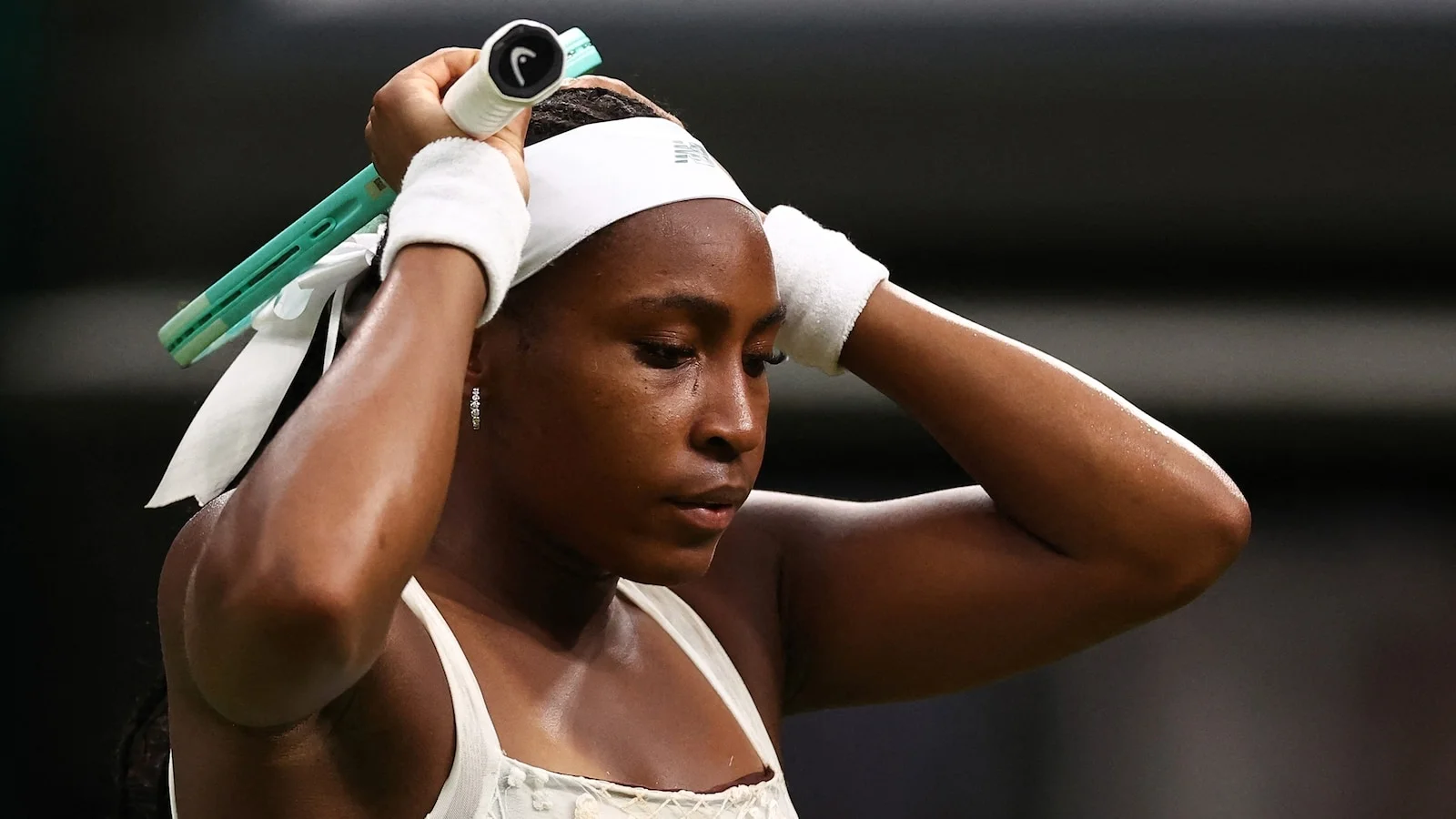

Coco Gauff suffered a surprising first-round loss at the Wimbledon Championships on July 1, after being defeated by Ukraine’s Dayana Yastremska. The American, fresh from her French Open victory, was widely regarded as a leading contender for the Wimbledon title. However, Gauff later admitted that the mental pressure following her Roland Garros win negatively impacted her performance at the All England Club.
Prior to Wimbledon, Gauff had an impressive clay-court season, which included reaching the finals at both the Madrid Open and the Italian Open. She ultimately secured a remarkable comeback win against World No.1 Aryna Sabalenka in the French Open final, showcasing a vintage level of play. Despite this success on clay, adapting to grass proved challenging, affecting her readiness for Wimbledon’s conditions.
Challenges Adapting to Grass Surface Affect Gauff’s Wimbledon Match
Although Wimbledon remains the only Grand Slam where Gauff has not reached the semi-finals, expectations were high for her to advance deep into the tournament this year. Her opening match, however, showed several struggles, including multiple slips during the first set, while Yastremska demonstrated fearless tennis with aggressive and powerful groundstrokes.
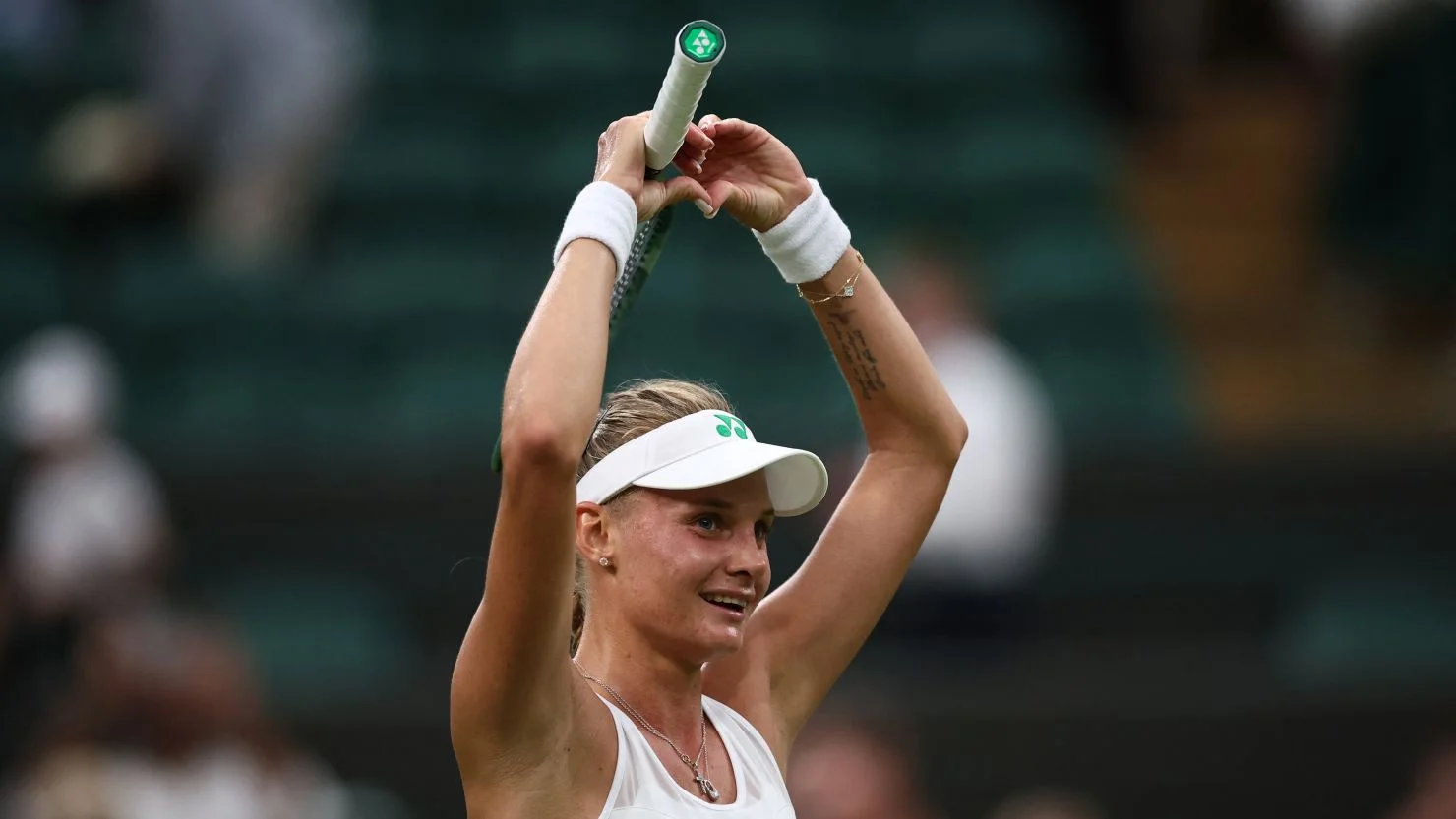
Gauff recorded only six winners throughout the match but committed nine double faults and 29 unforced errors. Meanwhile, Yastremska delivered sixteen winners and won the match 7-6(3), 6-1, eliminating the World No.2. With this defeat, Gauff joined Justine Henin (2005) and Francesca Schiavone (2010) as the third woman in the Open Era to lose in the first round of Wimbledon immediately after winning the French Open.
Mental Strain from Roland Garros Victory Influences Wimbledon Outcome, Says Gauff
In her post-match press conference, Gauff openly discussed how the aftermath of her Roland Garros success affected her mindset and preparation for Wimbledon. She acknowledged the overwhelm she felt both mentally and emotionally during this transition:
“I think a bit of both. I feel like mentally I was a bit overwhelmed with everything that came afterwards. I didn’t feel like I had enough time to celebrate and also get back into it. But it’s the first time in this experience. Coming off a win and having to play at Wimbledon. I definitely learned a lot of what I would and would not do again.” —Coco Gauff, Professional Tennis Player
This marks Gauff’s second first-round exit at Wimbledon, yet it is worth highlighting that the tournament also witnessed her breakthrough at age 15 during 2019, when she upset Venus Williams and advanced to the fourth round.
Reflection on Preparation and Grass-Court Season Performance
Gauff’s difficulties in transitioning from clay to grass were compounded by her limited grass-court match play before Wimbledon. She ended her grass-court season winless, having lost her opening match at the Berlin Tennis Open to Xinyu Wang in straight sets. This defeat came just before her unexpected loss to Yastremska at Wimbledon. Yastremska herself entered Wimbledon with strong recent results, including reaching the Nottingham Open final and the Eastbourne quarter-finals.
Gauff admitted her preparation left room for improvement, especially given the short adaptation period between the French Open and Wimbledon. She revealed she practiced for only two days before the Berlin event and expressed hesitation about playing such a tournament immediately after a Grand Slam win:
“I would say whether I would play Berlin or not again, if that were to happen again with the French Open. Because I only practiced two days. I don’t know. I just feel like this surface I could’ve used more matches maybe. It’s like finding the puzzle. I don’t usually like to play the week before. It’s a quick turnaround.” —Coco Gauff, Professional Tennis Player
What Lies Ahead for Gauff Following Disappointing Grass-Court Results
After a difficult grass-court campaign, Gauff now has time to rest and shift her focus towards the upcoming North American hard-court season. As the World No.2 player, she will be eager to demonstrate resilience and regain momentum in preparation for the remaining major tournaments this year.
The outcome at Wimbledon offers Gauff valuable lessons on managing the physical and mental demands that follow significant victories. How she adapts her approach moving forward will be crucial in maintaining her status as one of the brightest talents on the women’s tour.