
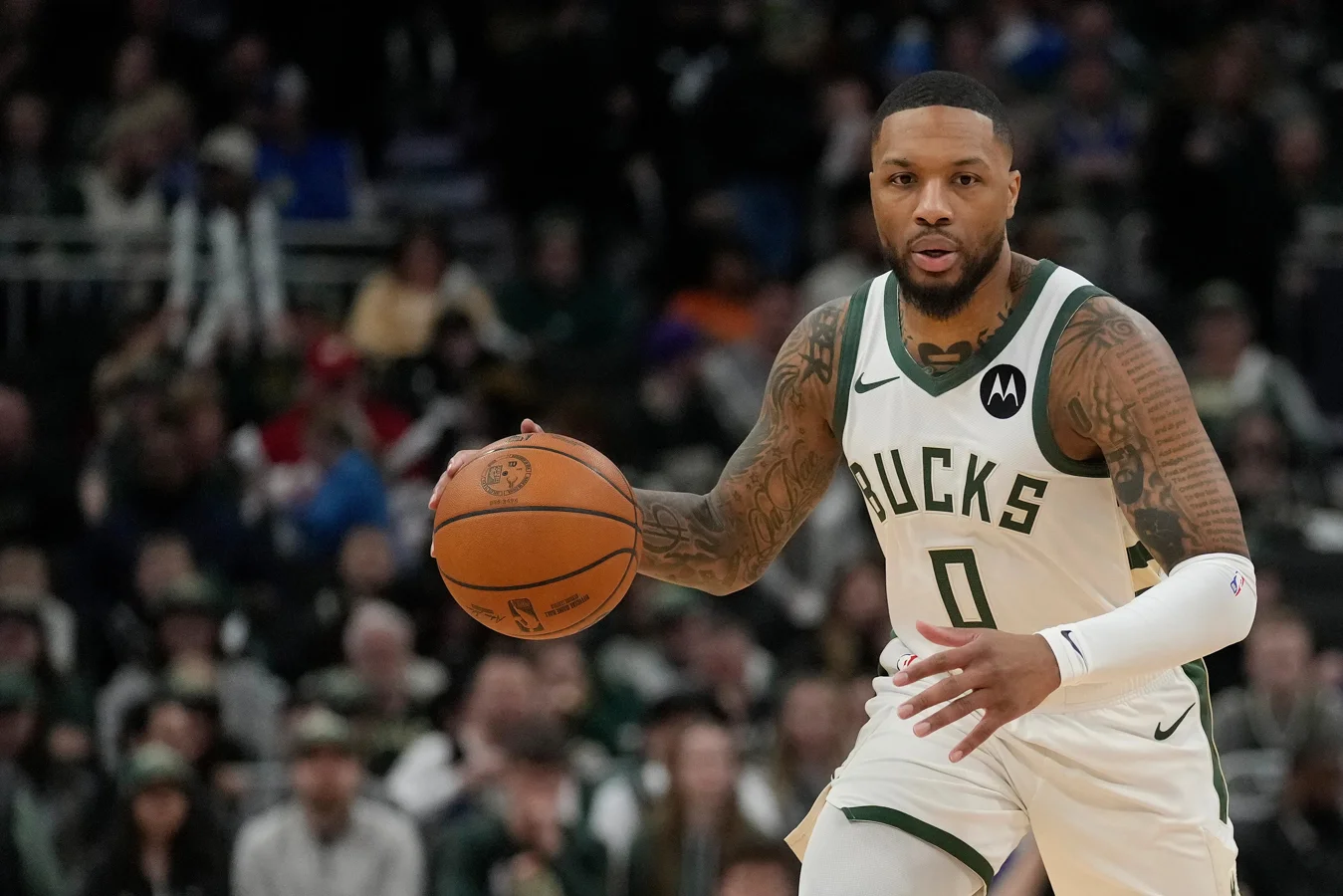

Damian Lillard is confronting one of the toughest periods in his career as he begins his comeback from an Achilles tear and a blood clot while entering unrestricted free agency for the first time. At 34, the nine-time All-Star is eager about his future, but the recovery process will be unlike anything he has experienced in his 13 <a href=”https://www.buzzineintl.com/category/basketball/nba/”>NBA seasons due to the lack of direct team support during this crucial phase.
The Emotional Impact of Rehab Without Team Support
Tim Legler, a former NBA player and current ESPN analyst, understands this struggle deeply from his own experience. He emphasized that the isolation during rehab is a significant and often overlooked obstacle, explaining how detachment from teammates and the regular team environment during recovery adds a heavy mental burden alongside the physical fight. For Lillard, this isolation is intensified by the absence of any NBA team—whether the Bucks or others—offering day-to-day company and encouragement.
Insights from Tim Legler on the Isolation of Injury Recovery
During a discussion on the Awful Announcing Podcast, Legler described his own rehab experience as separated from the team routine.
“I can tell you — and they’ve gotten a lot better with this in the NBA — when I hurt my knee, there is an isolation factor to it, even though you’re on the team,”
he said. As Legler pointed out, the team continues its daily grind of training and preparation, but the injured player is often removed from this rhythm, making recovery feel solitary.
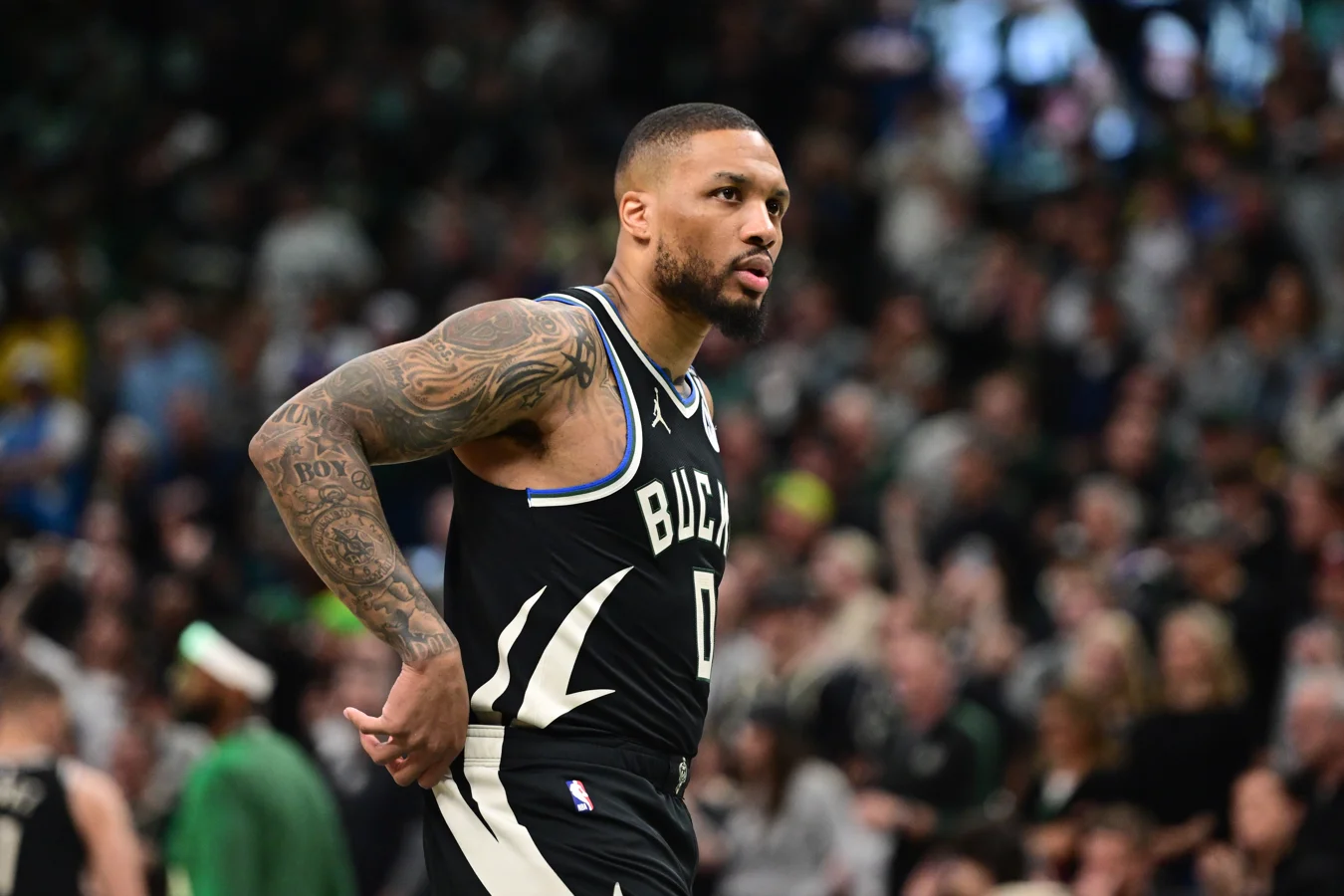
Legler recounted his rehabilitation being half an hour to 40 minutes away at a clinic where he shared space with non-athletes recovering from common injuries.
“My rehab facility was not part of our practice facility. I was a half an hour away, 40 minutes away, where I was driving every day to a rehab clinic, where you were in there with people that were also just in there from regular walks of life. I remember becoming friends with a guy on the next table that was coming back from an ACL, that had an office job, that tore his knee up playing in a men’s league. And now here we are, both getting rehabbed in the same place.”
This environment, while supportive, underscored Legler’s sense of separation from the NBA world.
The Importance of Team Interaction During Injury Recovery
Legler highlighted that some of the deepest connections in the NBA form during road trips and team gatherings, which are inevitably missed when injured players are sidelined. This loss compounds the feeling of being alone, both physically and mentally, which Lillard is experiencing as he navigates recovery independently. According to Legler, this separation goes beyond physical challenges, requiring strong mental resilience.
“There’s an isolation factor even when you’re part of a team,”
Legler said.
“When you’re not, I imagine, yeah, you can feel really detached from it all. And I think for a guy like Damian Lillard, ultimately, it’s just keeping your eye on the prize — if you want to come back, and that is your goal. Think about what could be waiting for you at the end of this, and the reward that you could have.”
This perspective sheds light on the necessity of mental focus amid such a demanding personal journey.
Potential Outcomes and the Role of Perseverance
Legler spoke of the possible triumph that awaits Lillard if he can overcome the isolation and injury.
“Imagine if he goes to a team, and he is a difference maker. They win a title. Who knows? And how rewarding that would be to come back from the depths of it. It’s as low as it gets was when he planted that foot in that court. It’s as low as it gets for Damian Lillard. To end up with that at the end, I think you learn a lot about yourself and your perseverance.”
This potential comeback could define Lillard’s legacy as much for his mental fortitude as his on-court ability.
The Broader Impact of Lillard’s Recovery Journey
Legler’s conversation with Brandon Contes shed important light on the challenging balance between mind and body during rehabilitation for professional athletes. Lillard’s situation is especially daunting given that he is completely detached from the team’s daily environment. His journey underscores the often unseen psychological hardships that come with long-term injury recovery in sports.
If Lillard manages to return as a high-level competitor, it will be a testament not only to his physical recovery but also to the strength of character needed to endure intense isolation and uncertainty. Fans and analysts alike will be watching closely as his comeback unfolds, eager to see how the isolation factor shapes his path forward.