
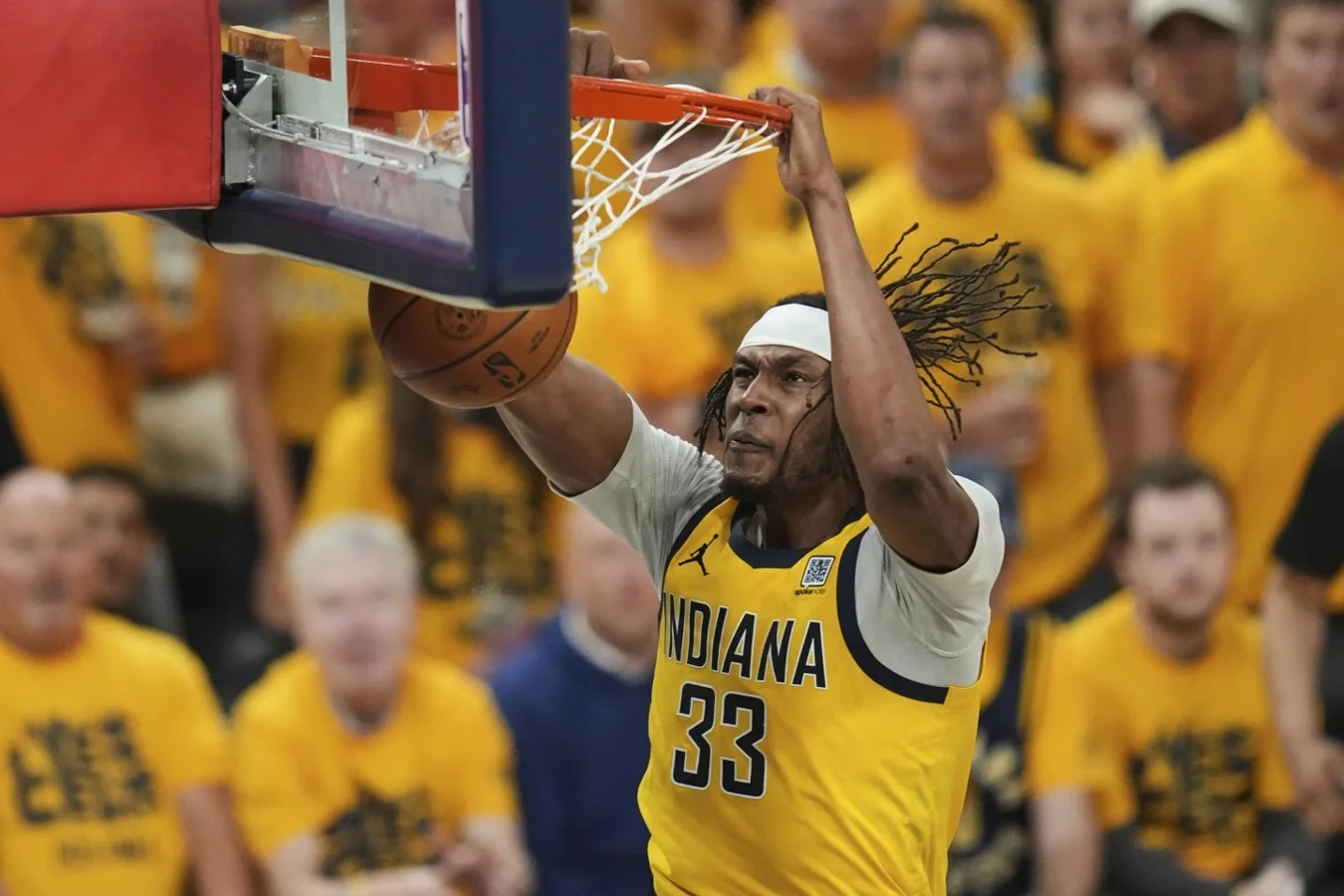

Brian Windhorst, known for his extensive NBA coverage and perspective as a Cleveland Browns fan from Akron, Ohio, has weighed in on the Milwaukee Bucks’ recent decision to waive Damian Lillard to acquire Myles Turner. His unique background allows him to view this move through the lens of the Cleveland Browns’ notorious contract situation with quarterback Deshaun Watson, highlighting concerning parallels between the two teams’ long-term financial strategies.
The Bucks waived Lillard after his Achilles injury, a move that leaves them responsible for $113 million remaining on his contract. Windhorst sees this as part of a high-risk financial maneuver by Milwaukee, akin to Cleveland’s decision to mortgage its future by trading away three first-round picks and committing to Watson’s fully guaranteed $230 million contract. This comparison spotlights the potential consequences of prioritizing short-term gains at the expense of long-term stability.
Comparing the Damian Lillard Contract to the Deshaun Watson Agreement
The Deshaun Watson contract, initially set to expire after the 2026 season, has been repeatedly restructured by Cleveland, extending its financial hold beyond what was originally intended. Windhorst described the Bucks’ approach as
“a level of mortgage that really pro sports has never seen before,”
emphasizing the unusually heavy financial commitment involved. He said on the July 2 episode of First Take,
“It’s a level of mortgage that really pro sports has never seen before,”
—Brian Windhorst, NBA Analyst
“As a Cleveland Browns fan, this is akin to what the Deshaun Watson contract was except for Deshaun Watson wouldn’t even be on the team anymore. Which is pretty much the way it is anyway, but that’s another story for another day.”
—Brian Windhorst, NBA Analyst
Windhorst’s comment reflects how Watson no longer plays for the Browns amid his recovery from a torn Achilles injury, the same injury that sidelined Lillard during Milwaukee’s playoff defeat to the Indiana Pacers. This adds a layer of unfortunate similarity between the two situations, both involving costly contracts hampered by serious injuries.
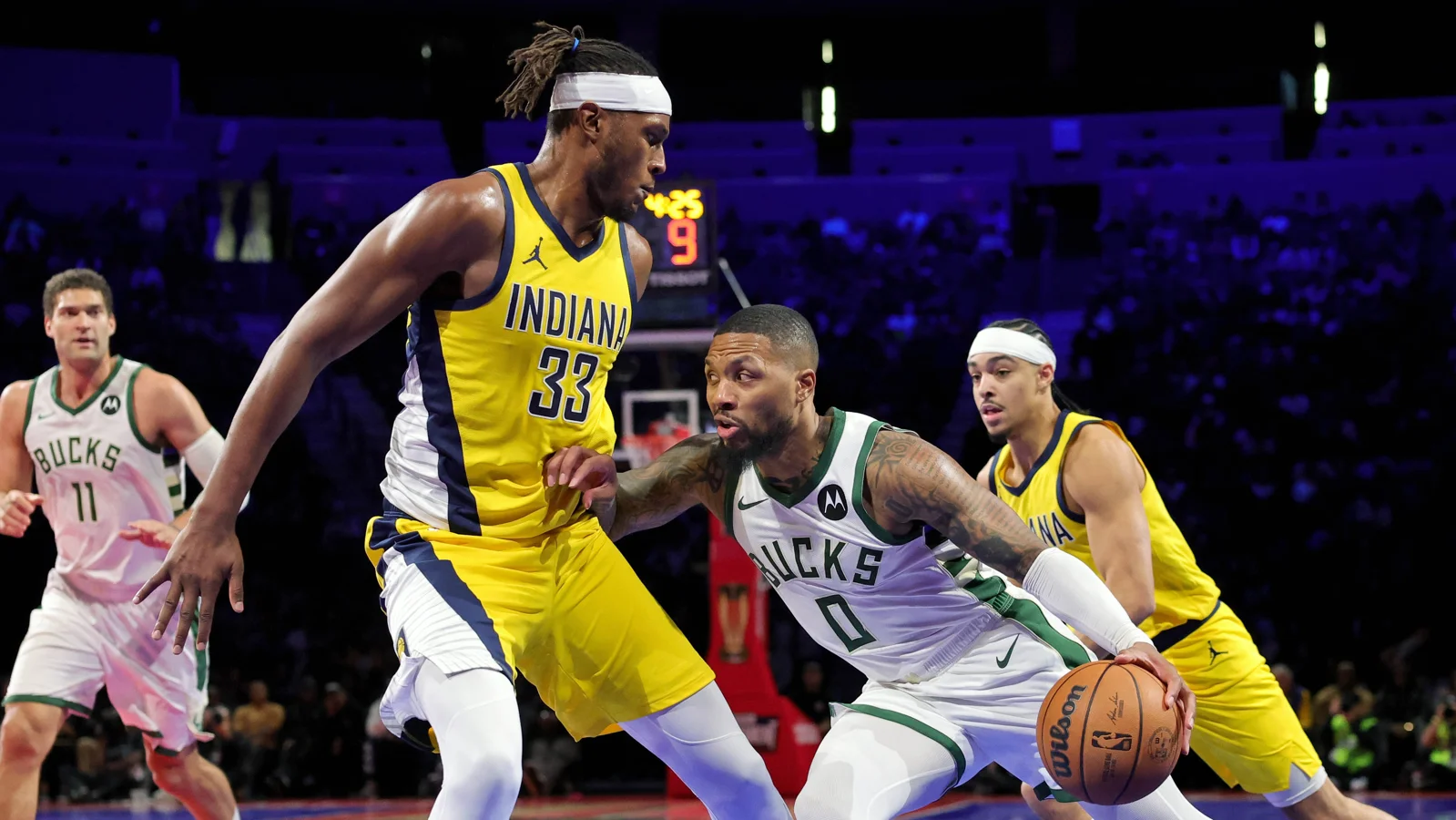
Ownership Connections and Strategic Motivations Behind the Moves
The situation draws further intrigue given that Jimmy Haslam, Browns’ owner, is also a member of the Bucks’ ownership group. This connection underscores how similar approaches may be influencing decisions across different sports franchises. Despite criticism, Windhorst expresses a degree of understanding toward Milwaukee’s choices, recognizing the pressure to keep Giannis Antetokounmpo—a star whose presence has been pivotal—comfortable and committed to the team. He likens the effort to retain Antetokounmpo to the Cleveland Cavaliers’ attempts a decade ago to hold onto LeBron James.
Assessing the Financial Impact of the Bucks’ Decision
Moving forward, the Bucks are set to incur a $22.5 million cap hit annually over the next five years as they pay off Lillard’s remaining contract. Windhorst does not shy away from criticizing this financial strain, portraying it as more than a simple case of balancing budgets.
On ESPN’s Get Up, he delivered a blunt assessment of the Bucks’ choice:
“I think it’s robbing Peter’s 401K to pay Paul’s loan shark bill if you want my honest assessment of it.”
—Brian Windhorst, NBA Analyst
This metaphor vividly illustrates the precarious nature of Milwaukee’s financial strategy, suggesting that the team is sacrificing future resources to address immediate needs, risking long-term consequences.
What the Future Holds for the Bucks and NBA Contract Practices
Windhorst’s analysis raises concerns about the sustainability of the Bucks’ current roster management and financial commitments, especially with an eye on the luxury tax and cap constraints. By absorbing substantial dead money to acquire Myles Turner while continuing to pay a hefty sum for an injured Lillard, Milwaukee may struggle to maintain roster flexibility or build a competitive squad in the coming years.
This situation also serves as a cautionary tale for other NBA teams, illustrating the dangers of making aggressive, high-cost moves that can hinder a franchise’s ability to adapt and grow. The connection to the Browns’ Deshaun Watson contract, widely regarded as one of the worst deals in sports history, signals the kind of long-term risks franchises face when committing heavily to star players who may not meet expectations due to injury or other factors.
Ultimately, the Bucks’ front office will be under scrutiny as basketball observers watch how these financial choices affect their championship aspirations and organizational health over the next half-decade.