
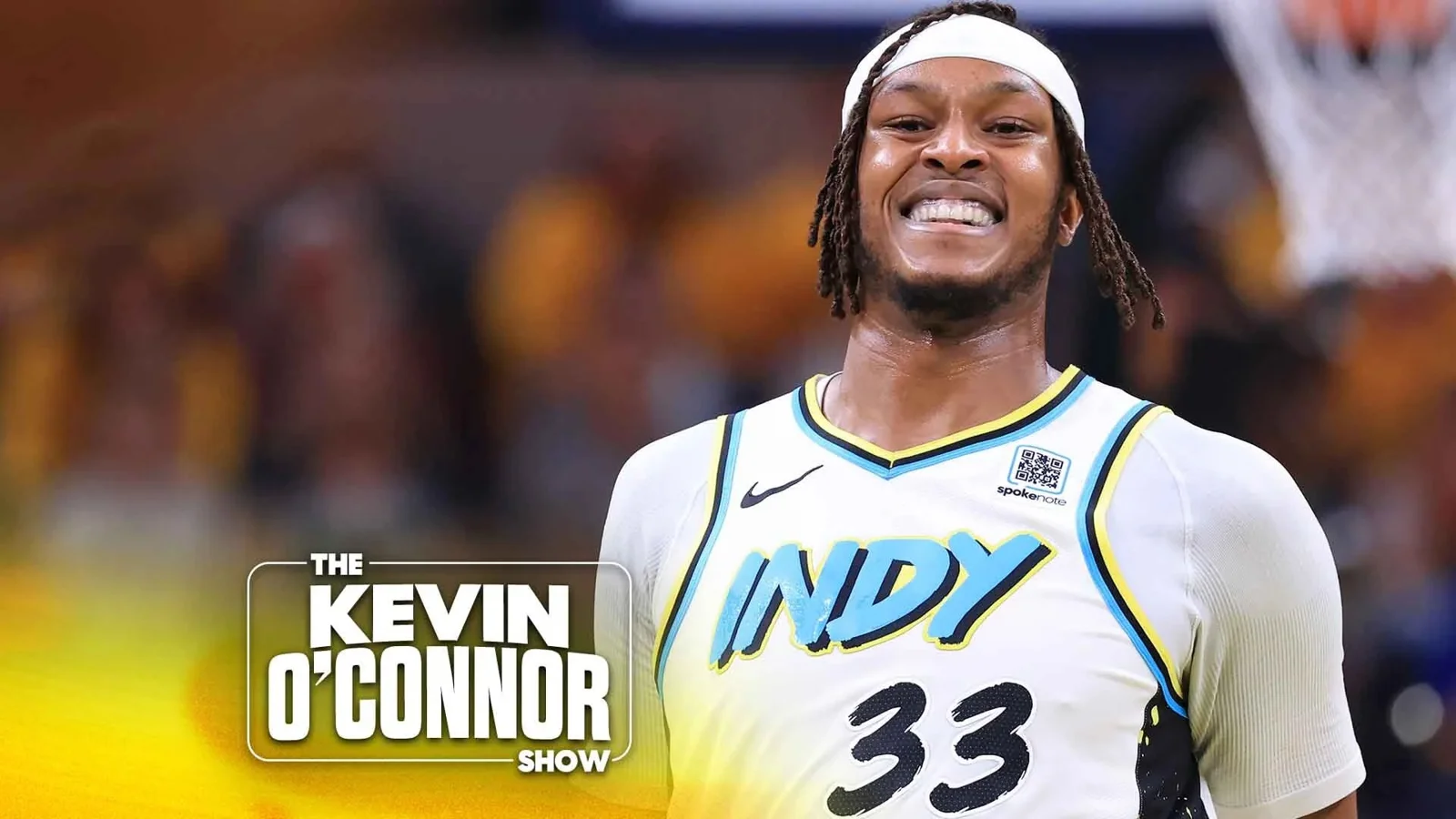

The Milwaukee Bucks have once again made a significant roster move to support Giannis Antetokounmpo’s ambitions as the franchise’s cornerstone. On Tuesday, the Bucks finalized a deal to sign center Myles Turner after waiving Damian Lillard, aiming to create a more effective supporting cast around their star player. With Antetokounmpo’s contract situation unchanged this offseason, the urgency for the Bucks lies in adding meaningful pieces to keep their championship hopes alive and to encourage the two-time MVP to extend his stay.
Historically, the Bucks entered the trade and free agency market aggressively when Giannis applied pressure behind the scenes. This pattern was visible in 2020, as they traded for Jrue Holiday to convince him to re-sign, ultimately leading to a 2021 championship. A similar approach in 2023 saw them acquire Damian Lillard in another high-profile trade, which prompted Antetokounmpo to commit again. However, the pairing with Lillard failed to meet expectations due to injuries and chemistry issues, resulting in early playoff exits. Now, with Lillard waived, Milwaukee is back to reshaping its roster while facing an unchanged timeline for contract negotiations with Antetokounmpo.
Why Myles Turner Is a Strategic Fit, but Not the Final Answer
Myles Turner’s addition fills a crucial positional need. Few centers in the NBA complement Antetokounmpo’s style, and Turner’s ability to stretch the floor with his three-point shooting, combined with his rim-protection, could recreate the defensive backbone that Brook Lopez provided during Giannis’s early career. Lopez, now a 37-year-old free agent, no longer represents a sustainable option as the Bucks look to get younger and more versatile in the frontcourt.
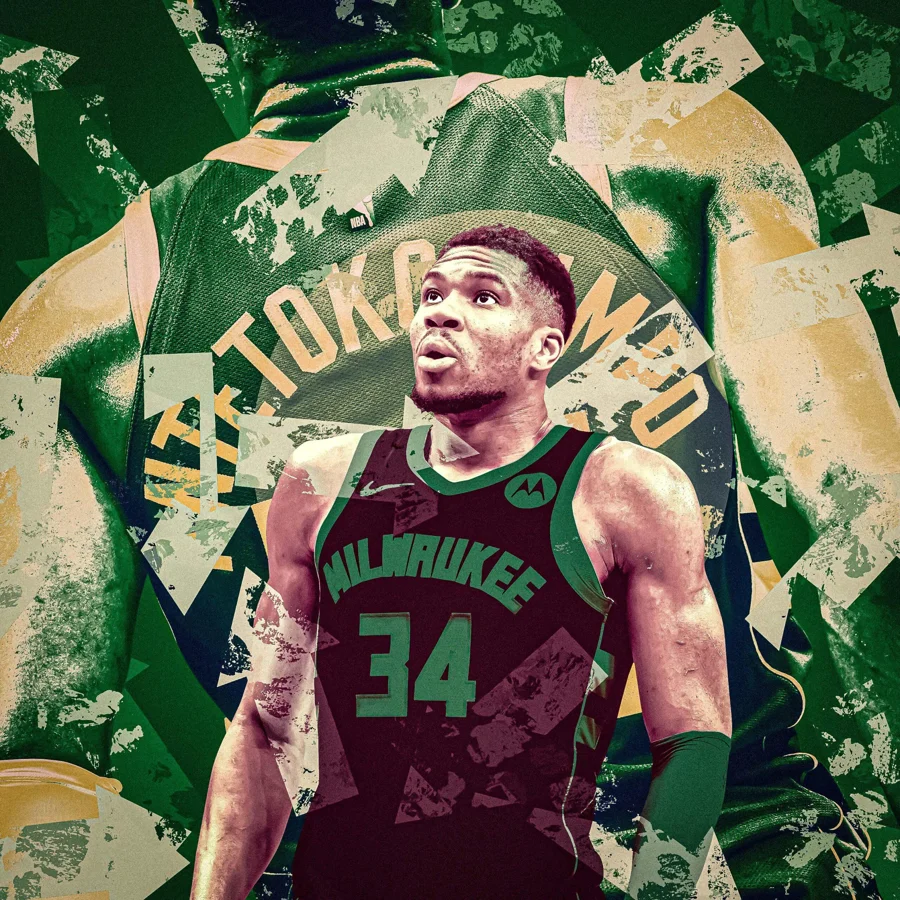
Yet, Turner alone does not solve all of Milwaukee’s problems. Unlike the previous support stars Holiday and Lillard, Turner is not an All-Star caliber yet has potential to improve the team’s interior play. The Bucks’ backcourt and wing positions remain vulnerable. Guard depth, especially, is questionable; Gary Trent Jr. and Kevin Porter Jr. bring scoring off the bench but are not reliable as starters. Defensively, Andre Jackson Jr. offers some value but falls short as a consistently impactful perimeter presence. The void at small forward, exacerbated by Khris Middleton’s injury struggles, leaves Milwaukee without its usual star power on the wing.
Limited Assets Create a Complex Trade Landscape
The Bucks possess some uncommitted draft capital, including unencumbered first-round picks in 2031 and 2032, with the latter available via swap rights. These assets could become vital trade chips as Milwaukee looks to improve this roster nearly a year before Giannis’s next contract extension opportunity. The challenge lies in matching salary demands as the team manages the fallout from waiving a $50 million player like Lillard.
Kyle Kuzma stands as the primary tradable salary, with contracts totaling over $40 million across two seasons. Although his recent performance on the Bucks was underwhelming, Kuzma’s resume as a starting-level player still offers some trade value. Intriguing trade possibilities involve the Boston Celtics, who recently acquired Anfernee Simons in the Jrue Holiday deal and currently lack a center. A swap involving Kuzma for Simons could aid Boston in clearing cap space to re-sign veterans like Al Horford, though Boston would likely require draft capital to absorb Kuzma’s salary.
Evaluating Current Role Players and Potential Targets
Bobby Portis remains a fan favorite for his energy and shooting, but his $13.6 million salary and positional overlap with Turner make him a luxury option on this roster. Portis will not be tradable until mid-December, but he could serve as a centerpiece in any deal focused on adding perimeter defense. Potential trade partners like the Los Angeles Lakers and Portland Trail Blazers offer fits, although prospects like Jarred Vanderbilt and Matisse Thybulle may not represent upgrades over Portis.
For a significant roster upgrade, Milwaukee could target elite defenders who can fill multiple roles. New Orleans Pelicans wing Herb Jones stands out as a prime candidate; his defensive versatility and ability to guard numerous positions make him invaluable in the current NBA landscape. Acquiring Jones, however, would require serious assets—including an unprotected first-round pick and Portis—highlighting the difficulty the Bucks face in assembling a contender without trading Giannis.
Front Office Resourcefulness Amid a Pressing Timeline
The Bucks’ front office, led by Jon Horst, has demonstrated creativity when it comes to unexpected roster improvements, such as the recent acquisition of Turner and the earlier Lillard trade. Despite a constrained asset pool and limited salary cap flexibility, Milwaukee’s management appears willing to explore all viable options to keep Antetokounmpo motivated and competitive.
The urgency stems from the clear fact that Turner’s presence, while beneficial, does not instantly elevate the Bucks to championship favorites. Most sportsbooks still project Milwaukee as a lower-tier playoff team or a likely participant in the play-in tournament despite their recent additions. The absence of a clear All-Star-level teammate alongside Giannis raises significant doubts about the team’s ability to contend without further moves.
The Stakes of Roster Decisions for the Bucks’ Future
Giannis Antetokounmpo’s playing style, heavily reliant on athleticism, leaves uncertainty about his long-term durability and production as he ages. This reality puts even greater pressure on the Bucks to build a complementary squad that balances youth, defense, and scoring. With Antetokounmpo’s contract extension not yet secured and the franchise wary of initiating a full rebuild, Milwaukee’s next moves carry high stakes.
Effectively, the Bucks face a critical offseason ahead: the pressure to land additional talent—and ideally a consistent secondary star—while negotiating the complexities of salary constraints and scarce trade assets. Their success in this endeavor will not only influence the immediate prospects of the team but also determine whether Antetokounmpo sees Milwaukee as the right place to finish his prime years.