
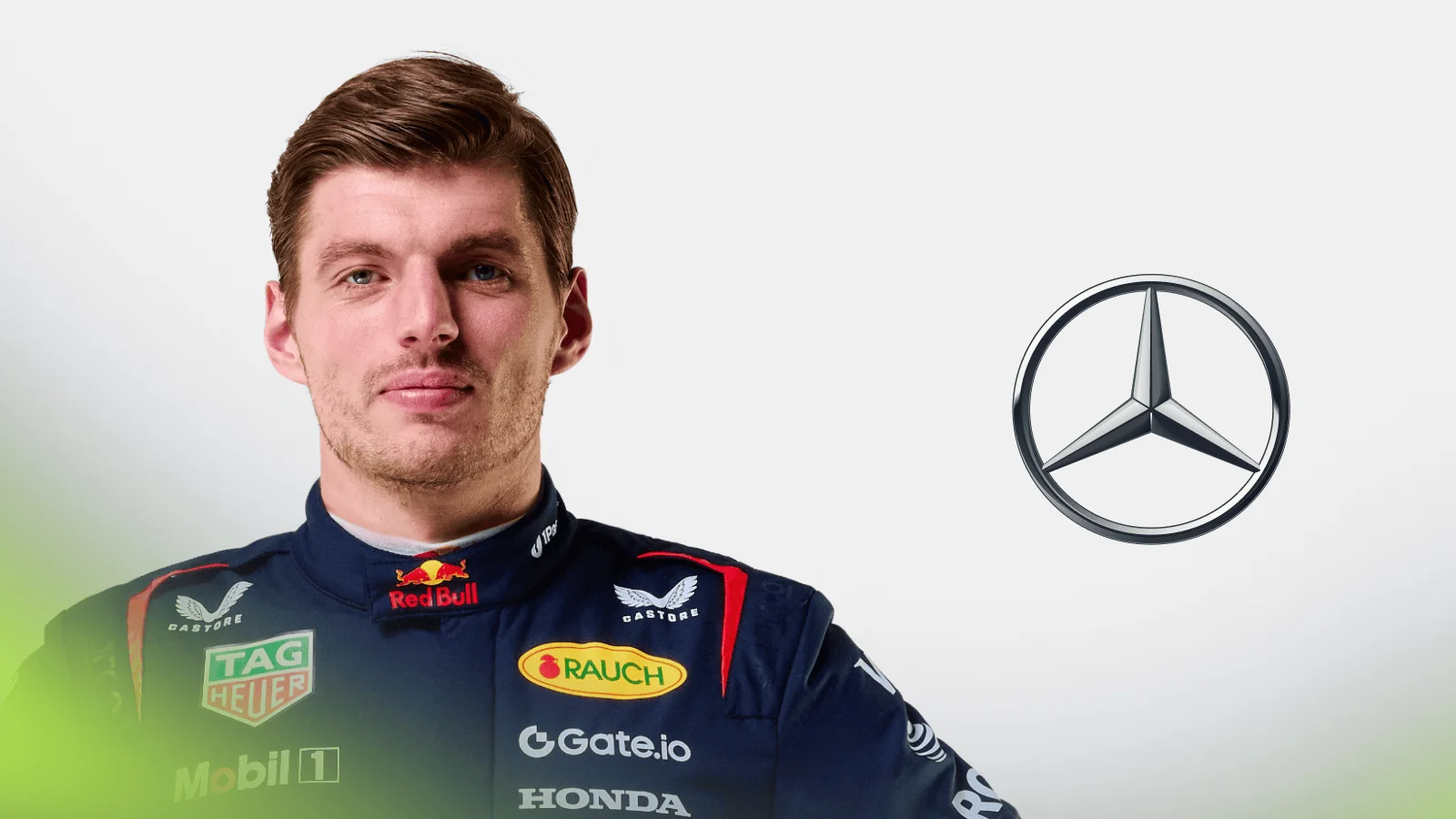

The future of Max Verstappen remains a major topic in Formula 1, especially with speculation about his potential move to Mercedes in 2026. Although Verstappen currently has a contract with Red Bull until the end of 2028, the idea that he might switch teams at the start of the new technical era has gained traction. This possibility continues to attract attention because Verstappen is one of the most influential drivers in the sport, and any change could significantly affect the F1 landscape.
Toto Wolff, Mercedes’ team principal, is open to the idea of Verstappen driving for Mercedes, while Red Bull representatives Christian Horner and Helmut Marko emphasize the existing contract binding Verstappen to their team. The question of whether Verstappen could begin the 2026 season with Mercedes is answered with cautious optimism: it is possible, though the chances remain slim at present.
Mercedes’ Strategic Planning and the Impact on Team Dynamics
Mercedes is viewed by many as preparing thoroughly for the 2026 rule changes, which represent the largest regulatory shift in recent F1 history. The team’s power unit project is rumored to be among the strongest for the upcoming era, fueling hopes of reclaiming dominance after a challenging four-year period. This mindset contrasts with the potential complications Verstappen’s arrival could bring.
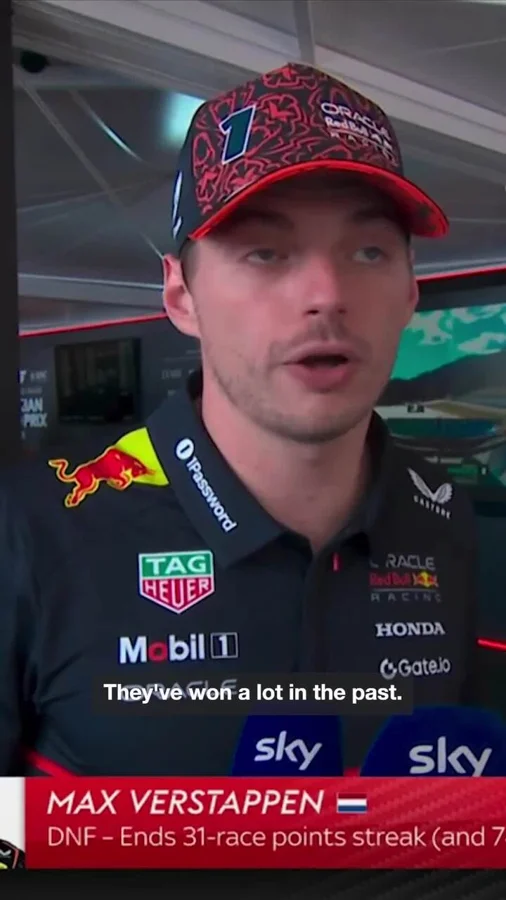
The current driver lineup at Mercedes, with George Russell and Andrea Kimi Antonelli, is the result of a carefully nurtured program initiated in 2017. Russell joined Mercedes’ junior development system and Antonelli was integrated later, both benefiting from a continuous progression overseen by Toto Wolff and engineer Gwen Lagrue. Introducing Verstappen might disrupt this long-term strategy, potentially leading to Russell’s exit.
Replacing Russell, who is enjoying a career-best season, would undo nearly a decade of investment, and he may demand a full contract release if dropped. With Verstappen’s reputation as a fierce competitor and known “team-mate killer,” it would be challenging to maintain the balance required for Antonelli’s growth alongside such a dominant teammate.
Risks and Rewards of Signing Verstappen for Mercedes
Bringing Verstappen to Mercedes carries both advantages and risks. If Mercedes delivers a competitive engine and fights closely with McLaren, which will share the same power unit, Verstappen could be decisive in securing victories and championships. Conversely, if the team fails to meet expectations, managing Verstappen’s temperament may pose more difficulties than working with Russell, who is seen as a more cooperative partner.
For Red Bull, losing Verstappen would be a significant setback. The Dutch driver has been central to Red Bull’s success, helping establish their dominance. His departure would shift the balance of power in F1, intensifying rivalry between the two teams, especially considering their tense relationship.
Verstappen’s Contractual Situation and Possible Leverage
While Red Bull maintains that Verstappen is contracted until 2028, most contracts contain clauses that can be triggered under certain conditions, including minimum performance requirements. Realistically, it is difficult for any team to retain a driver determined to leave if an agreement cannot be reached. Red Bull’s best option would be to negotiate terms favorably rather than block an exit outright.
Another angle under discussion is that Verstappen might be using Mercedes’ interest strategically. Speculation suggests he could be leveraging this to influence Red Bull’s internal management, which is often described as a “monarchy” under Christian Horner. This could encourage a restructuring toward a more distributed leadership model within the team.
The Challenge and Appeal of Changing Teams for Verstappen
Max Verstappen’s decision would not only affect his racing prospects but also represent a significant personal change. Red Bull has built much of its recent success around him, offering more freedom and respect than he has found elsewhere during his 11 years in Formula 1, dating back to his debut with Toro Rosso. Moving to Mercedes would involve weighing that comfort against the opportunity to join a potentially dominant team in a new era.
As Ola Kallenius, chairman of Mercedes-Benz Group, remarked during the Spanish Grand Prix weekend:
The best drivers want to drive the best cars. Our job is to put together the best package possible, and I think Max would look good in silver.
—Ola Kallenius, Chairman, Mercedes-Benz Group
Kallenius’ statement highlights Mercedes’ openness to Verstappen and the strategic importance of assembling a winning package. His rare public comment reflects the seriousness with which Mercedes is considering future lineups as the sport approaches a transformative period.