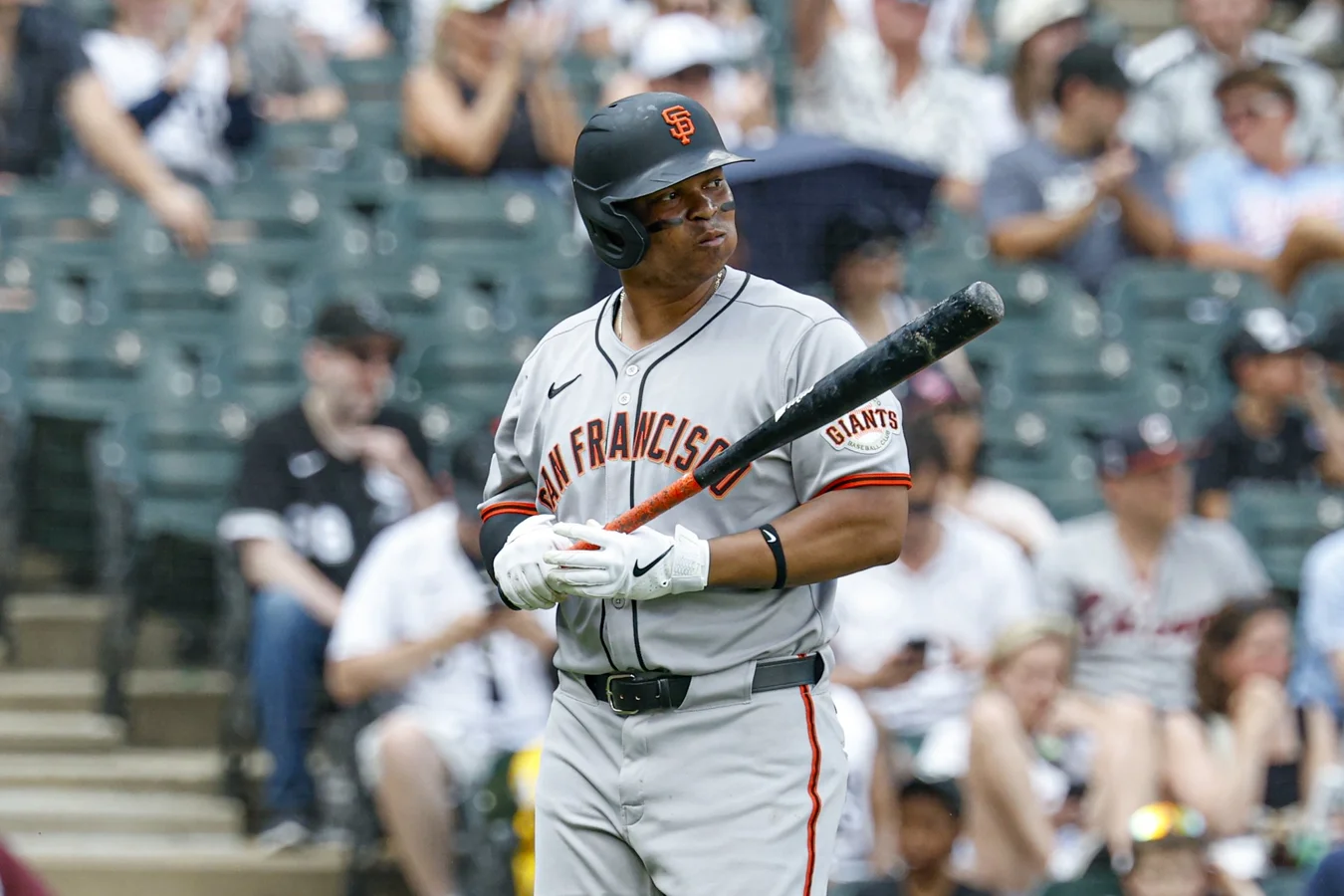

The Boston Red Sox recognized the need for change after trading star third baseman Rafael Devers to the San Francisco Giants. Following the trade, Boston struggled offensively, posting a 3-6 record on a challenging road trip that included poor performances against the Seattle Mariners, San Francisco Giants, and Los Angeles Angels.
In response to these difficulties, Red Sox manager Alex Cora and his coaching staff restructured their pregame hitters meetings, shifting away from traditional group sessions toward more personalized, one-on-one discussions with players.
Shift from Group Meetings to Individual Player Attention
According to Cora, the communication strategy for hitters has become more individualized, emphasizing direct interaction between coaches and players.
“Communication-wise, we changed a few things meeting-wise,”
Cora explained.
“It’s more one-on-one now that it was 10 days ago. We have the big meeting the first day of the series, but after that, (the coaches) grab (the players) one-on-one.”
This approach seeks to increase player accountability by requiring hitters to prepare more thoroughly for their opponents. Cora elaborated on this focus:
“I think it brings accountability. When you sit down with the hitting coach and they ask you about the stuff of the pitcher (you’re about to face) you’d better know. Sometimes when you sit as a group, you can hide. We talked about it on the way here from Anaheim last week and we started doing it against the Blue Jays. I think it helps the kids, to sit one-on-one with them and explain to them a few things.”
Adjusting to a Younger Roster and Team Evolution
As the Red Sox roster has transitioned from the experienced players who reached the postseason in 2018 and 2021 to a younger, less consistent group between 2023 and 2025, the coaching staff has adapted its strategy accordingly. Cora acknowledged this shift, noting,
“It’s evolved. We went from a mature, veteran team in ‘18 to a lot of young players now. It makes sense. Hopefully in time, we get back to sharing ideas and talking about it. I think at the end of the day, those meetings have to [be] player driven, if you’re going to get together as a group – not coach driven.”
He also highlighted the coaching staff‘s awareness of the team’s current composition:
“I think we recognize who we have and this is the way it should be.”
Early Results and Prospects for Sustained Improvement
Boston has already experienced noticeable offensive growth following the coaching adjustments, averaging 7.2 runs per game over their last five contests entering their matchup against the Cincinnati Reds. Whether this momentum will continue as the season progresses remains to be seen, but the commitment to individualized coaching seems to offer a promising path forward for the Red Sox in the wake of the Rafael Devers trade impact.