
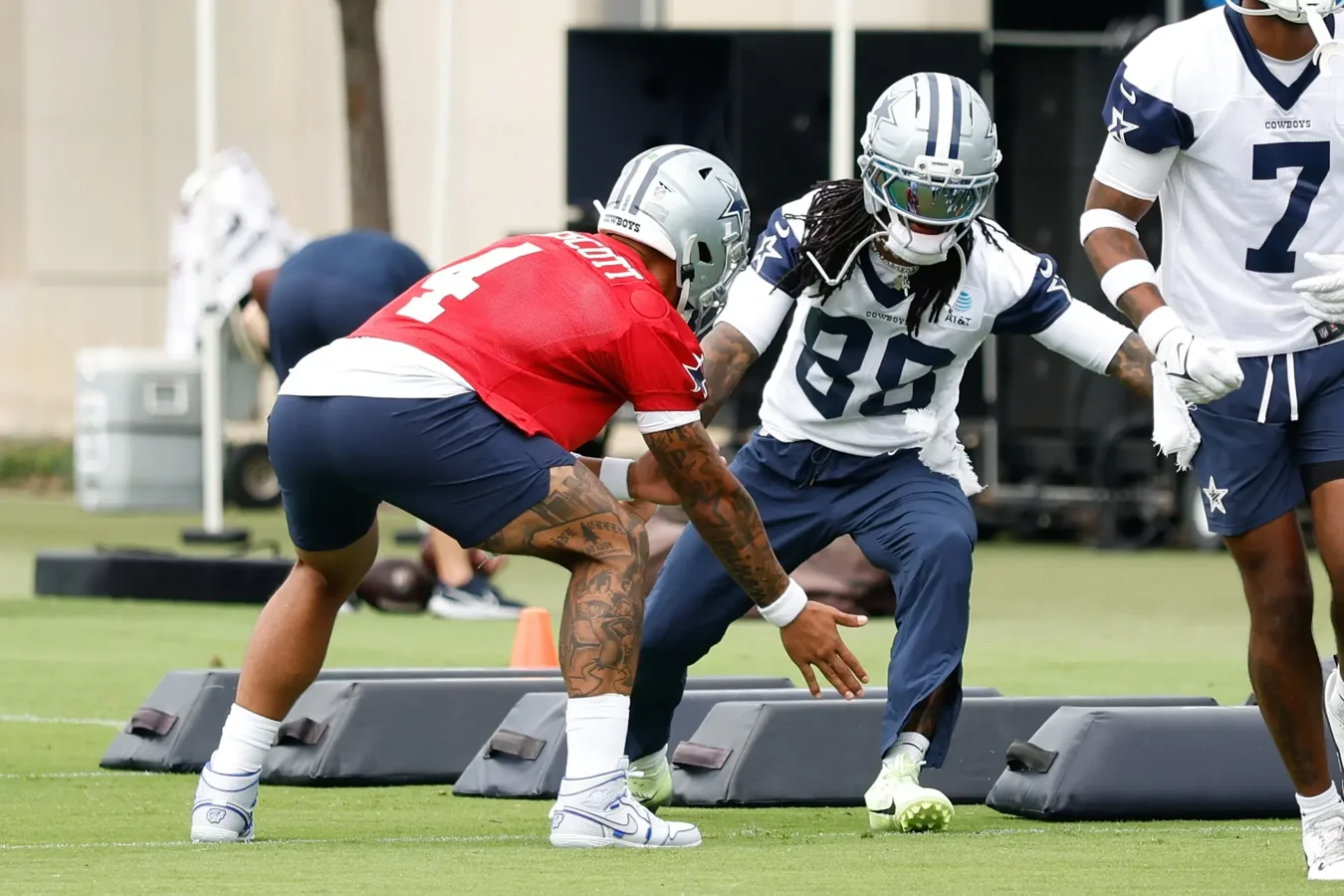

The Philadelphia Eagles’ innovative $53.4 million strategy, led by general manager Howie Roseman, secured their latest NFL championship and put the spotlight on the Dak Prescott contract risk for Cowboys. This approach not only propelled the Eagles to the top but also fuels debate about contrasting team-building philosophies in the league.
Team Effort Underpins Philadelphia’s Triumph
Celebrating with the Lombardi Trophy, Nick Sirianni emphasized the collaborative mindset that defines the Eagles.
It takes everybody. That’s why I laugh sometimes when they’re like, ‘Hey, well, they’re so stacked as a team.’
—Nick Sirianni, Head Coach. This team-first attitude is mirrored throughout the organization, supporting their rise to the championship.
Howie Roseman’s Financial Ingenuity Shifts the NFL Landscape
Roseman’s $53.4 million approach reshaped how the Eagles structure contracts. By creatively shifting significant portions of salaries into signing bonuses, he has freed up vital cap space and secured critical players for the long haul, all without sacrificing the long-term planning essential for sustainable success. This practice allows the team to keep top performers such as Jalen Hurts and DeVonta Smith locked into essential roles while still aggressively recruiting new talent.
This calculated contract maneuvering does more than bolster the Eagles’ roster. It has cultivated a climate of resilience and fierce competition, strengthening the team’s ability to respond to challenges and consistently perform at a high level.
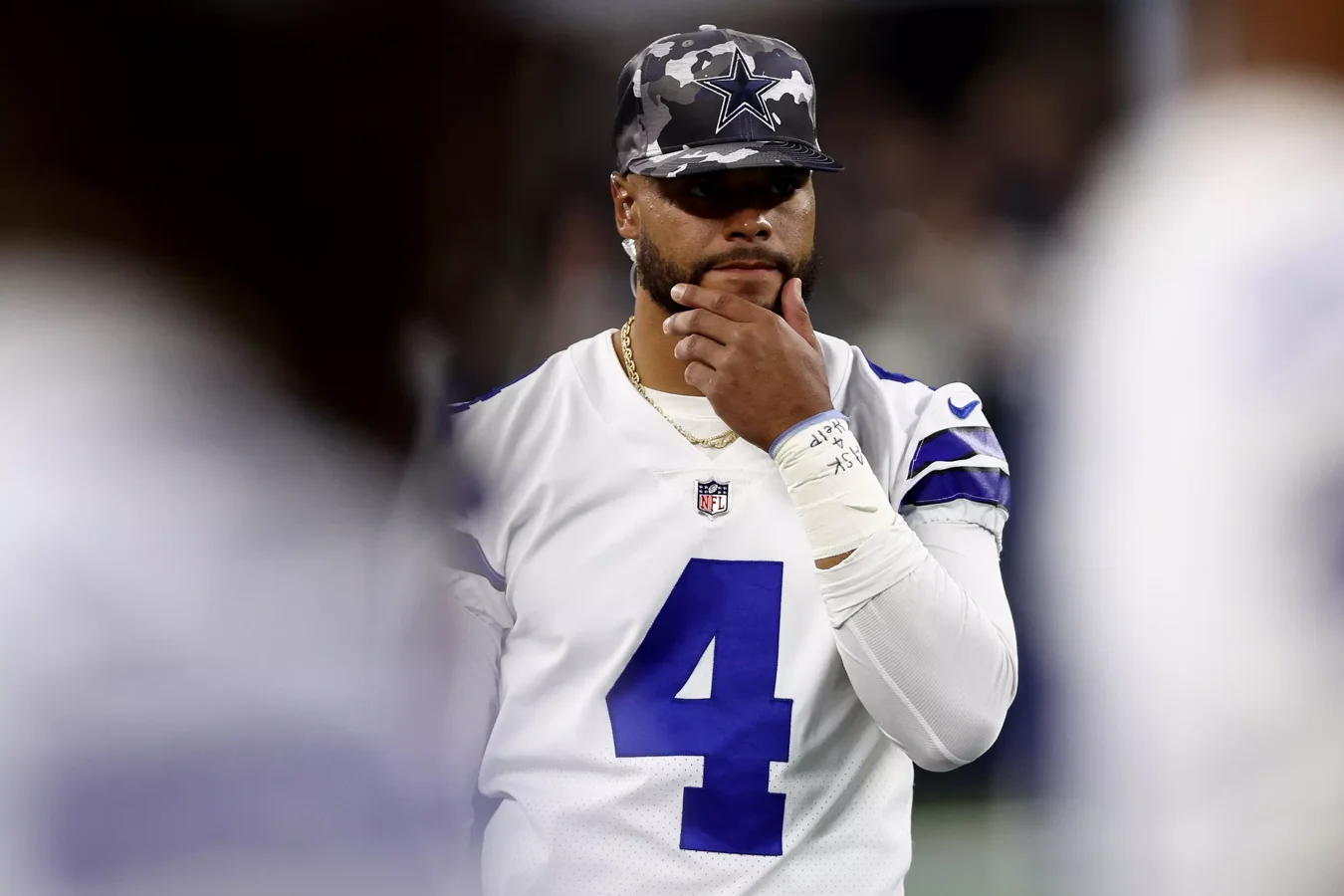
Dallas Cowboys’ Commitment to Dak Prescott Invites Doubt
Meanwhile, the resource allocation in Dallas draws sharp contrast. The Cowboys’ decision to heavily invest in Dak Prescott, while highlighting his notable skills, ties up a substantial part of their salary cap. This commitment restricts the team’s flexibility, hampering their efforts to build a truly balanced squad around their star quarterback.
The investment in Prescott highlights a critical difference between the franchises. Philadelphia’s focus on a collective system and smart contract design forms a deep, well-rounded roster and fosters team unity. In contrast, Dallas places their hopes on a single star player, potentially risking long-term competitiveness and depth as a result. As the Eagles advance, this disparity in strategy is increasingly apparent within team dynamics and outcomes around the league.
League-Wide Impact and Future Directions
The ripple effect of the Eagles’ methods is being felt across the league. Roseman’s blueprint is now seen as a model for other clubs hoping for continued success. With the Eagles as reigning champions, there’s clear evidence that sustainable financial planning and a supportive team environment can coexist and win at the sport’s highest level.
For the Cowboys, the costly Prescott contract prompts important questions. As opponents take careful note of Philadelphia’s playbook, Dallas must evaluate how their salary allocation might affect their long-term standing in the race for championships.
The ongoing evolution of the NFL means that competitive teams will have to weigh the value of spreading cap space versus depending on singular talent. Howie Roseman’s groundbreaking financial strategies uplifted Philadelphia and sent a clear signal to the entire league—true greatness is forged through unity, adaptability, and wise investment, not just star power alone.
Our Reader’s Queries
Q. Why was Dak Prescott removed?
A. Five days after Dak Prescott, the Dallas Cowboys quarterback, had surgery that ended his season, the team placed him on injured reserve this Monday. Prescott, an All-Pro player, had the operation in New York last week to fix a partially torn hamstring suffered in November.