
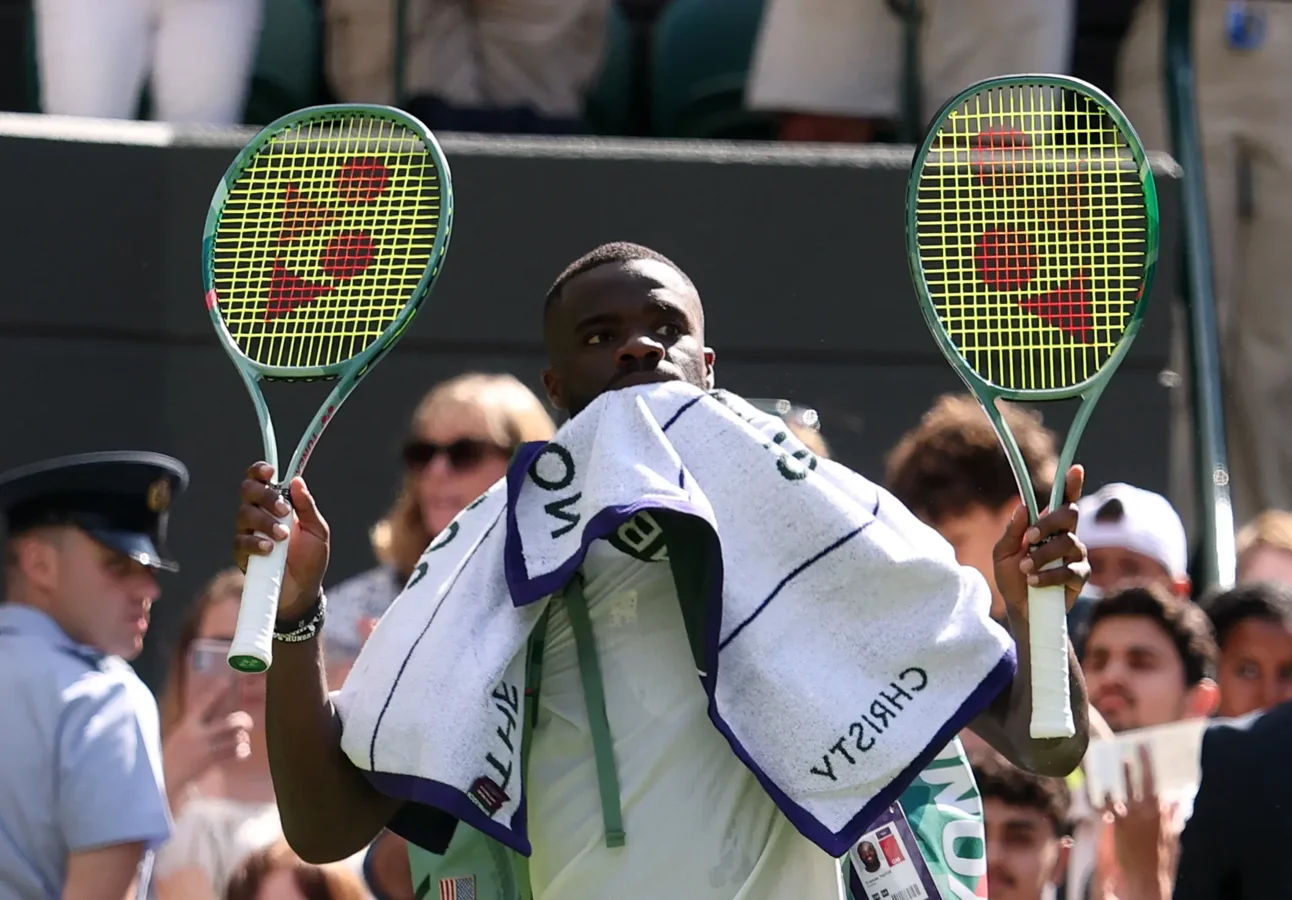

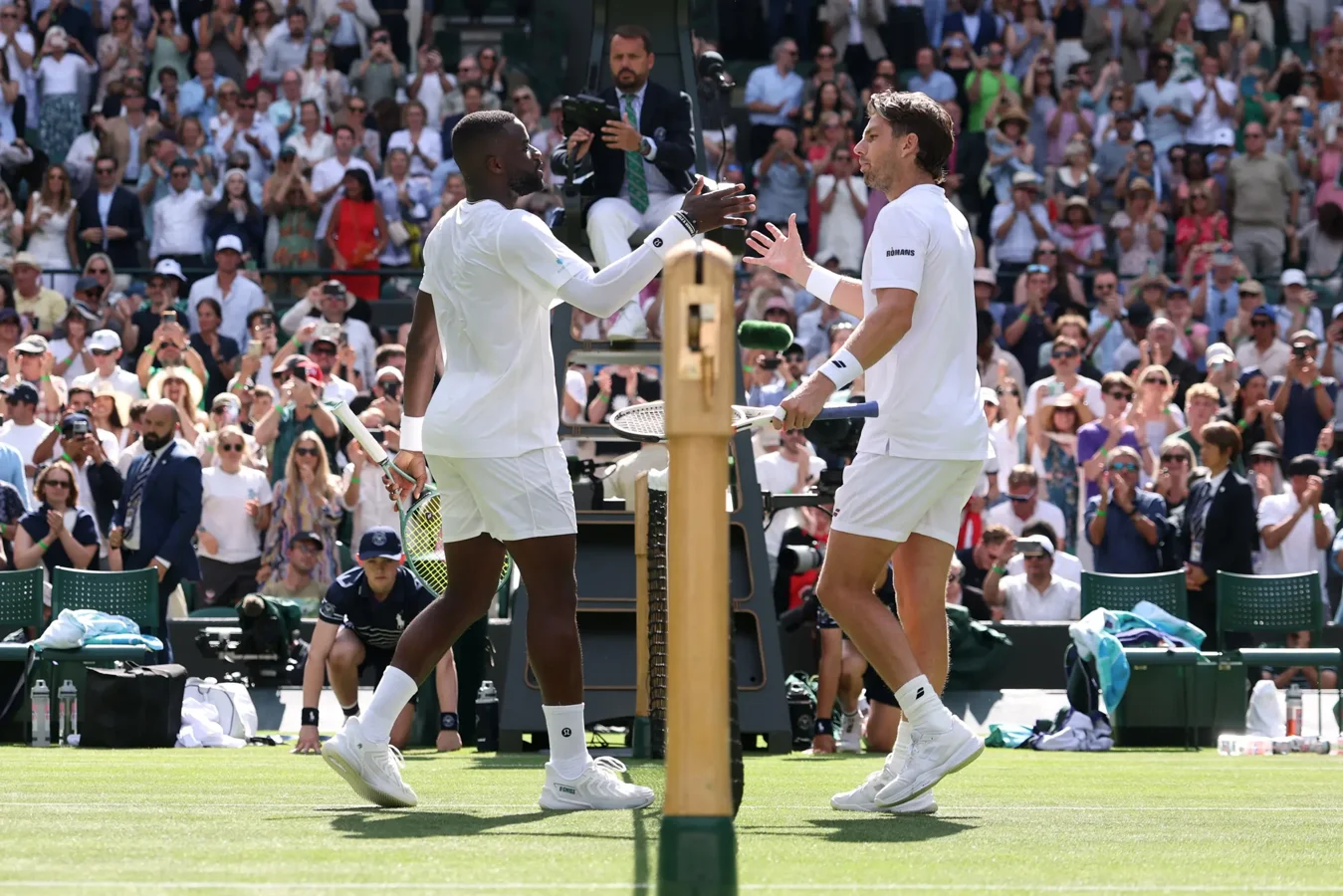
Frances Tiafoe’s Wimbledon controversy has taken center stage following a tense second-round defeat against Cameron Norrie on July 2, 2025, at the All England Lawn Tennis and Croquet Club in London. The heated match not only saw local favorite Norrie eliminating the American No.12 seed in four sets, but also sparked a public dispute over crowd influence and on-court behavior, throwing Wimbledon’s sense of fair play into the spotlight.
High Stakes and Rising Tensions on Centre Court
The matchup between Cameron Norrie and Frances Tiafoe provided plenty of drama for fans and critics alike. Norrie, the British player and crowd favorite, triumphed over Tiafoe with a hard-fought victory (4-6, 6-4, 6-3, 7-5), knocking out one of the tournament’s higher seeds early. After the match, Norrie commented on the quality of play, stating,
“It was a very nice win and a high-level match from both of us,”
—Cameron Norrie, Player. The sportsmanship in Norrie’s post-match remarks contrasted sharply with the emotional aftermath from Tiafoe and the divided reaction among those watching, both courtside and at home.
Tiafoe’s disappointment quickly became apparent, stirred in part by sharp criticism over his efforts to slow the pace during the third set. The American was observed collecting his towel, t-shirt, and shorts, requesting a break that appeared to disrupt Norrie’s rhythm. While this behavior initially went unnoticed by match officials, it triggered a wave of backlash on social media, as well as live commentary. Tennis analyst John Lloyd did not hold back, declaring,
“This is ridiculous, I’m sorry, but it’s absolutely ridiculous,”
—John Lloyd, Commentator. Accusations soon flew, suggesting Tiafoe was intentionally seeking to derail Norrie’s momentum rather than focus purely on play.
Tiafoe Blames Crowd Support for Defeat
In his post-match press conference, Tiafoe responded candidly to questions about his on-court tactics and the contentious atmosphere, shifting focus onto Norrie and the overwhelming home crowd support. He explained that the volume and energy coming from the stands affected the competitive balance, revealing,
“No, (the crowd) didn’t bother me. I mean, he (Norrie) was super amped. He was saying, ‘C’mon’, from the first game, which is definitely annoying, but that part bothered me more than the crowd,”
—Frances Tiafoe, Player.
Tiafoe continued this line, underscoring his view that it was the home fans who buoyed Norrie’s performance to new heights.
“I think the biggest thing is that he kept going and playing much better because of the crowd. I don’t think he probably plays as well if the crowd wasn’t so far behind him,”
—Frances Tiafoe, Player. He reinforced the idea that the vociferous crowd’s encouragement spurred Norrie to believe in his victory, stating,
“I mean, they (crowd) really pushed him, and he started believing it,”
—Frances Tiafoe, Player.
Beyond casting skepticism on the fairness of the environment, Tiafoe also pointed to Norrie’s unexpectedly strong serves as a decisive element. It seemed to him that the British player’s performance exceeded typical levels, as Tiafoe said,
“I don’t think he served that well in a really long time. He served 75, some stupid percent. I hardly got looks in the second set. I was shocked how well he served today. Never really seen him serve like that,”
—Frances Tiafoe, Player. Despite his frustration, Tiafoe did acknowledge this aspect of Norrie’s on-court display, which proved crucial in turning the match around.
Wider Context: Early Exits Amid Wimbledon Upheaval
Tiafoe’s defeat was just one among a flurry of upsets casting a long shadow over this year’s Wimbledon Championships. With 23 out of 64 seeded players from both the men’s and women’s draws being eliminated by mid-week, the tournament has already earned a reputation for unpredictability and shock results. The departure of stars such as Tiafoe, and his loss to a lower-ranked local player, intensified discussions about factors like surface challenges and external influences on match outcomes.
Frances Tiafoe’s record at Wimbledon has long reflected the kind of inconsistent fortunes that often define the grass-court major. Since making his debut at the event in 2017, the American has struggled to advance far, barring a career-best run to the fourth round in 2022. Last season, he exited in the third round at the hands of Carlos Alcaraz, the eventual champion from Spain. These results left Tiafoe searching for answers and improvement in a setting that continues to confound him.
Grass-Court Struggles and Honest Self-Assessment
Tiafoe’s struggles on grass stand in contrast to his recent showing in Paris at the French Open, where he enjoyed a successful campaign on the slower clay surface, reaching the quarterfinals—a new personal best at the prestigious Roland Garros. Despite his adaptability and success there, returning to the slick lawns of Wimbledon brought familiar difficulties, raising questions about surface-specific challenges for even the world’s best athletes.
Reflecting on these dynamics, Tiafoe admitted the unique demands of grass.
“I mean, grass is a tricky surface. The game is getting much deeper. You have to think, not so long ago Cam (Norrie) made the semifinals here, and now I’m playing him the second round,”
—Frances Tiafoe, Player. His remarks highlight not just the randomness of the draw, but the intensifying level of competition, as top seeds are no longer guaranteed straightforward paths to late-stage matches.
Discussing the shifting competitive landscape, Tiafoe concluded,
“You have floaters like that, and then you have some young guys playing well. The game is just really tough. It’s not like how it used to be where you can kind of, I mean, quote, unquote, get to your seedings easier,”
—Frances Tiafoe, Player. Tiafoe’s comments echoed the reality facing many seasoned professionals as new talents emerge and the traditional order is challenged at every tournament.
What Tiafoe’s Exit Means for Wimbledon
The aftermath of Frances Tiafoe’s Wimbledon controversy has prompted passionate debate about fairness, the psychological impact of home crowd support, and whether stronger officiating is needed to maintain equity during such emotionally charged matches. Cameron Norrie’s victory, fueled by vocal home fans, has reignited discussions about the subtle and overt factors influencing elite performance at Grand Slam events.
For Tiafoe, the loss extends his complicated relationship with Wimbledon’s grass and spotlights the emotional turmoil faced by top players trying to navigate pressure from both opponents and environments. As the Championships continue, the event’s upsets and controversies promise to keep fans—and players—on edge, with every round testing resilience, adaptability, and the fine line between gamesmanship and gamesmanship gone too far.
Our Reader’s Queries
Q. Does Frances Tiafoe have scoliosis?
A. Frances Tiafoe, also called “Big Foe,” is a well-known tennis player. He is recognized for his strong determination and impressive path in the sport. Even when he faced many difficulties, his love for tennis helped him continue. Tiafoe’s experience shows how hard work and commitment can help someone rise above challenges like scoliosis.