
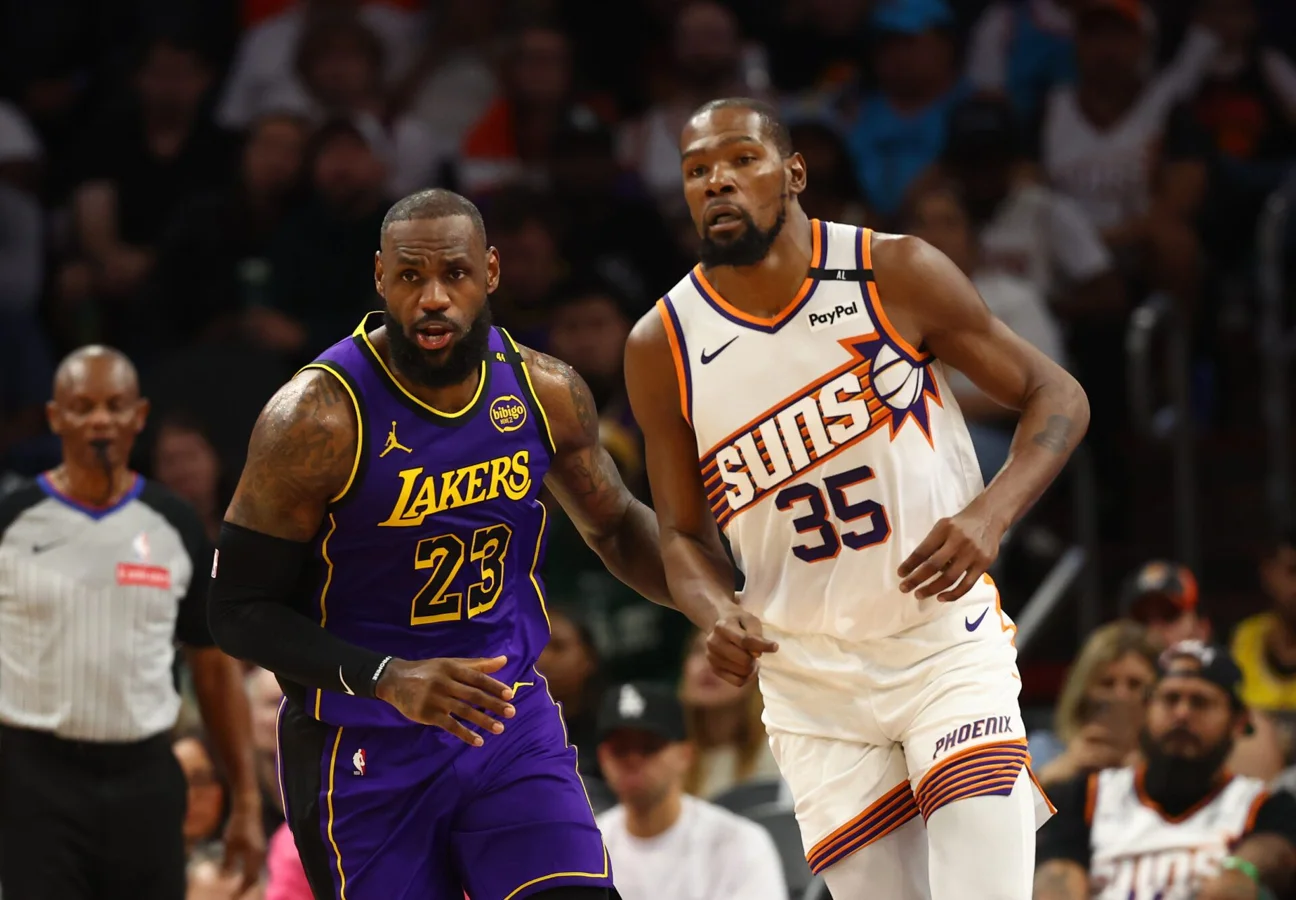

The recent blockbuster deal has fundamentally changed the trajectories of both the Phoenix Suns and the Houston Rockets, with the Kevin Durant trade impact resonating far beyond either fanbase. As Phoenix pivots away from a fractured past, they usher in a new era built around youth, potential, and renewed identity, while Houston is left to navigate the complications that come with acquiring an aging superstar.
Phoenix’s Reimagined Future Sparks Hope
The Suns’ decision to move on from Kevin Durant marked a definitive end to a championship pursuit that never materialized. This trade is not a statement against Durant’s talent, but a recognition that the experiment had failed, and a more sustainable path forward was needed. The outcome is more than just a reset; it’s a bold reinvention where Phoenix not only gathered skilled players but also recaptured optimism that was impossible with their previous roster construction.
This shift returns hope to Suns fans, offering a clearer vision for long-term competitiveness rather than another fleeting attempt at glory. For many, it means putting aside lingering nostalgia for what Kevin Durant represented and instead, embracing the opportunity to cultivate a sustainable, dynamic team core.
Khaman Maluach Emerges as a Transformative Centerpiece
The trade’s most notable asset for the Suns is Khaman Maluach, a prodigious 18-year-old seven-footer whose skill set drew comparisons to probable future NBA stars. Many experts believe that if Maluach had stayed in college, he would have been the consensus top pick in the next draft. Thanks to this deal, he finds himself anchoring Phoenix instead, transforming their defensive outlook and raising the team‘s ceiling for years to come.
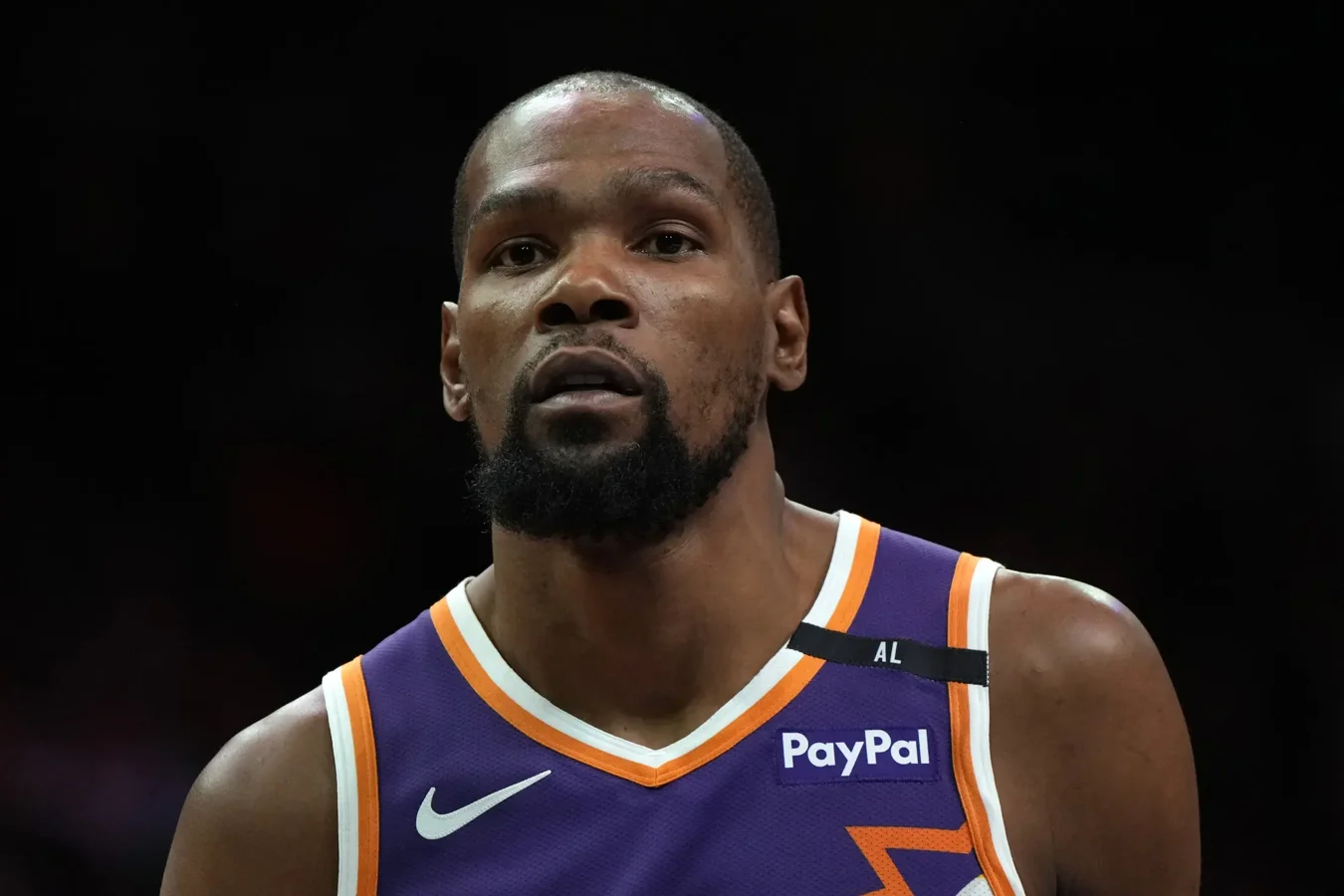
Maluach’s blend of size, mobility, and competitive drive makes him more than just a rim protector; he has the potential to shape both ends of the floor and become the type of player around whom you can build an entire franchise. His arrival signals a foundational shift for the Suns, while the Rockets inherit only the diminishing returns of an aging Durant in exchange.
Second-Round Steal: Rasheer Fleming Brings Immediate Value
Phoenix’s haul also includes Rasheer Fleming, a versatile 20-year-old forward many analysts projected as a top 20 pick before slipping to the second round. The Suns, leveraging assets from the Durant trade, took full advantage by acquiring Fleming, whose defensive intensity and remarkable length give the development staff enviable raw material to sculpt.
From the start, Fleming offers a two-way presence off the bench, a welcome asset for the Suns. His combination of a 7’4” wingspan and unmistakable grit is the archetype coaches covet. While Houston contends with Kevin Durant’s mercurial presence, Phoenix gains a player poised to make an impact as early as his rookie season.
Jalen Green’s Growth Accelerates Next to New Leadership
Young talent Jalen Green enters a pivotal phase of his career, benefitting from the trade’s reshaping of the Suns’ roster. Still four years shy of his athletic prime, Green’s blend of athleticism and scoring has always hinted at stardom. What he lacked was structure and a belief in his ceiling—gaps Phoenix aims to close by pairing him alongside Devin Booker.
With a new coaching staff and the stabilizing force of Booker, Green is set for a clear, focused role that leverages his strengths: scoring and relentless attack. Entering his age-23 season, Green joins the league’s up-and-coming elite, sharing a developmental arc with the likes of Jayson Tatum, Anthony Edwards, and Cade Cunningham. The Suns now possess a player who has already posted 21 points per game and driven a team to a number two seed in the playoffs, underscoring the vast difference between investing in youth and clinging to fading veteran hope.
Dillon Brooks Instills a Defensive Identity
The Suns didn’t just seek talent or draft capital—they sought a transformation in culture. Dillon Brooks, a player often loathed by rivals but loved within his locker room, fits that role perfectly. His presence signals Phoenix’s intent to establish a perimeter defense built on tenacity, physicality, and psychological toughness.
Brooks is not a mere roster addition. He is an identity builder, someone who energizes teammates, strengthens locker room bonds, and makes opposing scorers uncomfortable every night. Phoenix is betting on his energy, much like teams have depended on Marcus Smart, Patrick Beverley, or Draymond Green to set the emotional tone and keep standards high.
Houston’s Gamble: Kevin Durant’s Complicated Legacy
For Houston, the allure of acquiring Kevin Durant comes with considerable risk. Durant’s ability to score remains undeniable, but his tendency toward isolation-heavy basketball and volatile locker room dynamics are equally infamous. As Durant approaches his 37th birthday, the Rockets inherit not only his scoring prowess but also the entire suite of complications that has followed him from Oklahoma City to Golden State, Brooklyn, and Phoenix.
The trade delivered Phoenix a future while Houston picks up what some view as a “lemon,” taking on the full experience—including Durant’s quick trigger for disengagement and his reputation for social media spats and public outbursts when criticized. The question facing Houston is whether the short-term boost of Durant’s star power can outweigh the team chemistry issues and instability that have often accompanied his exits from previous organizations.
Meanwhile, critics are quick to point out the double standard: While Houston’s Jalen Green faces scrutiny for his lack of playoff experience, Durant’s own record in both Brooklyn and Phoenix includes early postseason exits and a recent absence from the playoffs entirely, undermining the notion that his veteran status guarantees success.
Phoenix Commits to a Prolonged Rebuild
The decision to move on from Kevin Durant is a tacit admission that the path to a championship needed to change course. Phoenix’s gamble on big names did not pay off as hoped; instead, it signaled a need to embrace a youth-driven rebuild. By doing so, the organization opens itself up to incremental growth, competitive play, and renewed enjoyment for the fanbase, without the crushing weight of championship-or-bust expectations.
The trade also puts into context past roster decisions, including the acquisition of Bradley Beal—a move tied to Durant’s preferences. These choices, once believed to represent the team’s best shot at a title, have become case studies in the perils of sacrificing long-term flexibility for immediate contention.
Now, the Suns look to the future. The trade grants them a revitalized core that can develop together, restores competitiveness, and rekindles the fun and hope faded during the Durant experiment. While next season may not yield a title, it promises a sense of direction and connection that fans have missed.
A Trade That Redefines Both Franchises
Rather than reaching for a quick fix, Phoenix has embraced a patient, deliberate rebuilding process centered on youth, versatility, and culture. By contrast, Houston’s acquisition of Kevin Durant is fraught with uncertainty, raising questions about the sustainability of their approach. For the Suns, the Kevin Durant trade impact is already visible: they have positioned themselves for meaningful progress, while the Rockets must reckon with potential volatility that could derail their own youth movement.
The contrasting approaches—Phoenix’s embrace of hope through rebuilding, Houston’s wager on superstar legacy—offer a study in NBA team-building philosophies. Ultimately, observers and fans are left to decide: was this a decisive win for the Suns and proof of a new chapter, or does Houston have a surprise yet to unveil as they bet on Durant’s twilight years?