
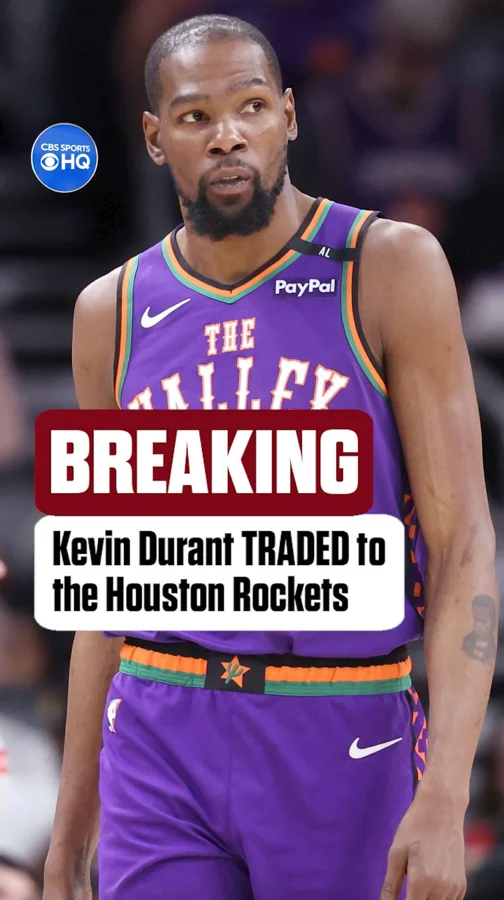

The anticipated Kevin Durant trade to Houston Rockets is generating significant attention as discussions continue during the NBA’s free agency moratorium. The proposed deal, which may involve a record seven teams, could reshape the offseason’s transaction landscape by utilizing unique salary cap and trade mechanisms, according to Fred Katz of The Athletic.
Pushing Boundaries with a Seven-Team Partnership
Nearly two weeks after initial reports, Kevin Durant has yet to be officially confirmed as a Houston Rockets player, largely due to the complex negotiations aiming to expand the transaction. The Rockets and Phoenix Suns are actively working toward a multi-team structure, reportedly including the Atlanta Hawks, Los Angeles Lakers, Minnesota Timberwolves, Brooklyn Nets, and Golden State Warriors. While player movement is expected to stay consistent with prior reports, these organizations are seeking to bundle trades primarily for salary cap benefits, such as trade exceptions and preventing hard cap aprons from being triggered.
The multifaceted trade is expected to encompass several interconnected moves. The deal includes the Clint Capela sign-and-trade with the Hawks, various second-round pick swaps that the Timberwolves, Warriors, and Nets have set up with the Suns, and an additional second-round pick swap between the Lakers and Timberwolves. These arrangements are not just about exchanging players; they focus on finding financial flexibility within NBA rules as all involved teams align their paperwork before transactions can become official after July 6.
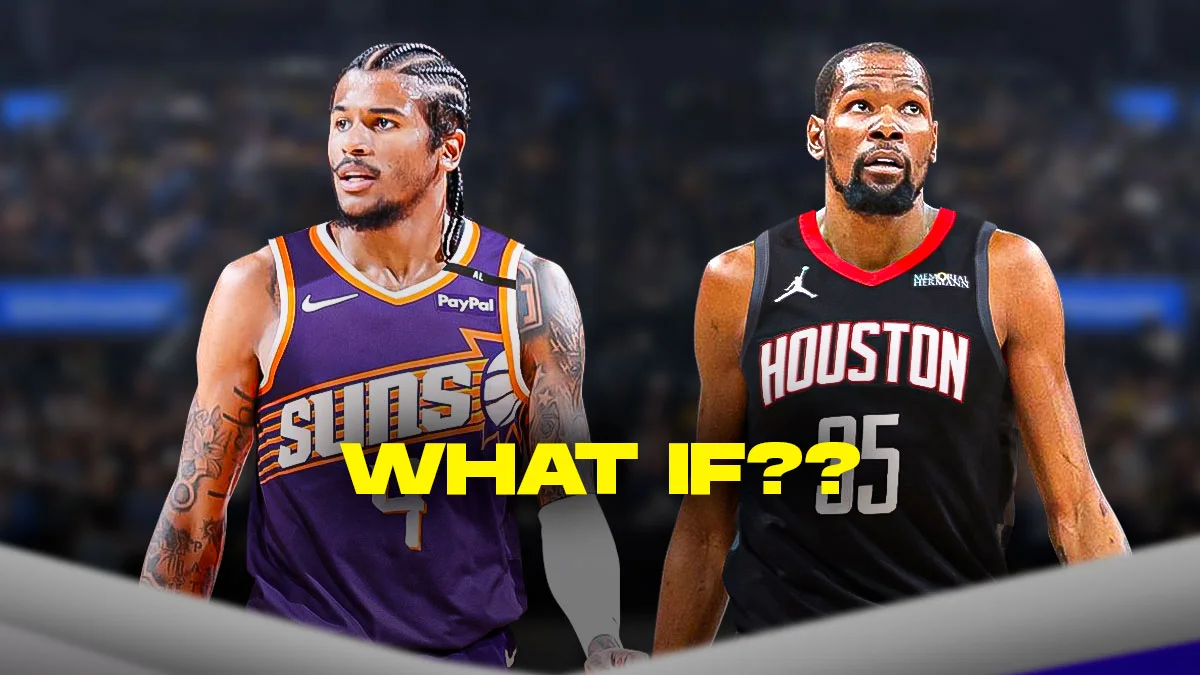
League-Wide Implications and Recent Precedents
This potential seven-team collaboration mirrors recent NBA transaction trends where front offices have formed historic partnerships for cap management. Notably, the Warriors’ sign-and-trade sending Klay Thompson to the Mavericks became the league’s first-ever six-team trade, involving the Timberwolves, Denver Nuggets, Philadelphia 76ers, and Charlotte Hornets. Such approaches highlight an increasing willingness among franchises to coordinate large-scale deals for long-term strategic gain.
Additional possibilities remain as the deadline approaches, with teams like the Nuggets reportedly aiming to structure the trades involving Cam Johnson and Jonas Valančiunas into multi-team exchanges as well. For the Rockets and Suns, orchestrating a deal that could include nearly a quarter of NBA teams underscores the transaction’s scope and the lengths organizations go for roster optimization and financial compliance, especially when acquiring a high-profile player like Kevin Durant.
Outlook for the Kevin Durant Trade and Beyond
If the Kevin Durant trade to Houston Rockets is finalized as proposed, the move could set a new NBA record for transaction complexity and multi-team cooperation. With all the logistical maneuvers required to meet league regulations before July 6, this evolving situation stands as a powerful example of modern front office strategy and the deep connections teams can form to secure their goals. The league awaits official confirmation as these expansive negotiations continue, marking yet another turning point in NBA trade history involving key figures like Kevin Durant, Clint Capela, and Klay Thompson, along with organizations such as the Suns, Hawks, and Warriors.