
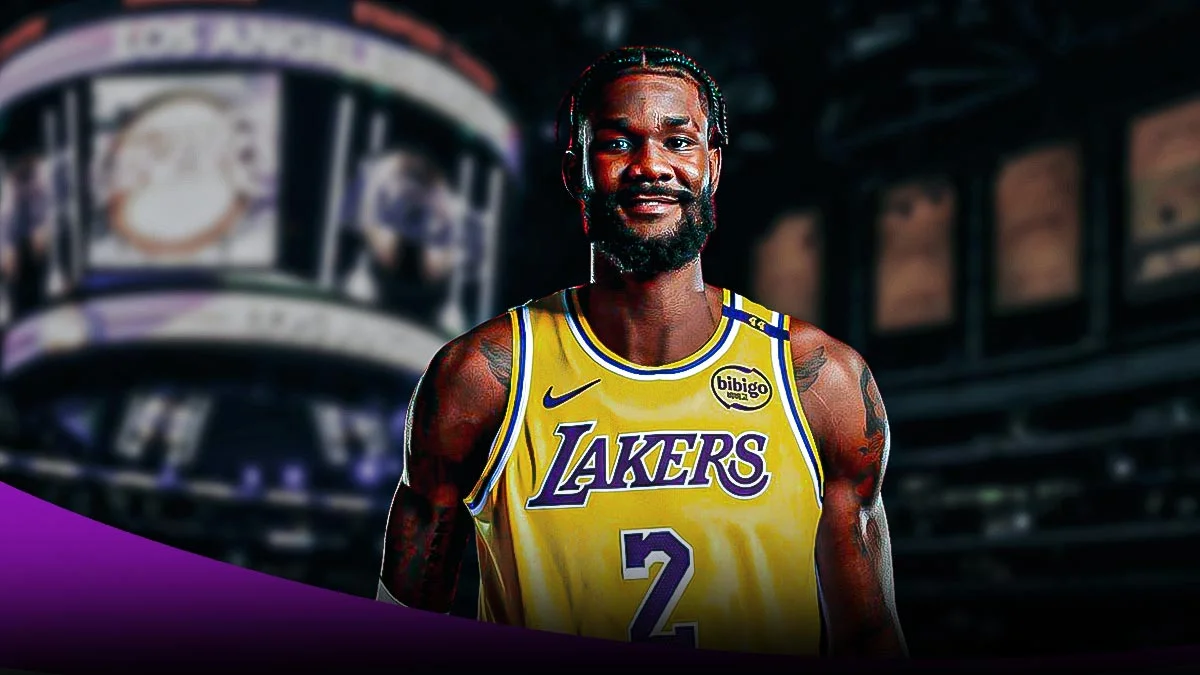

The Los Angeles Lakers have agreed to terms with Deandre Ayton on a two-year contract worth $16.6 million, utilizing a player option in the second year, after he was bought out by the Portland Trail Blazers on the eve of NBA free agency, according to Chris Haynes. Lakers sign Deandre Ayton after buyout, navigating cap constraints to land the former number one draft pick for a fraction of his previous salary, an outcome few anticipated earlier in the offseason.
Financial Moves Make Ayton’s Arrival Possible
Originally set to make $35.5 million this season, Ayton’s existing contract with the Trail Blazers would have required the Lakers to sacrifice nearly all of their ancillary salary in a trade. His sudden buyout drastically changed his market, opening a door for the Lakers to sign him directly while retaining key tradable assets. This approach safeguards future salary flexibility for Los Angeles, something that eluded them when considering other top-level talents during the offseason.
Challenges in the Center Market Shaped Lakers’ Decision
Before Ayton became available, Los Angeles faced a bleak outlook for upgrading at center. Trade discussions for Utah Jazz’s Walker Kessler collapsed due to a lack of agreement on terms. Alternatives like Brook Lopez, Clint Capela, and Luke Kornet all found new teams—respectively joining the Clippers, Rockets, and Spurs—or posed age, declining athleticism, or unproven starting ability as concerns. None offered the combination of upside and pedigree that the Lakers, especially after losing Anthony Davis at the position, desperately needed.
Lakers Bet on Draft Pedigree and Potential
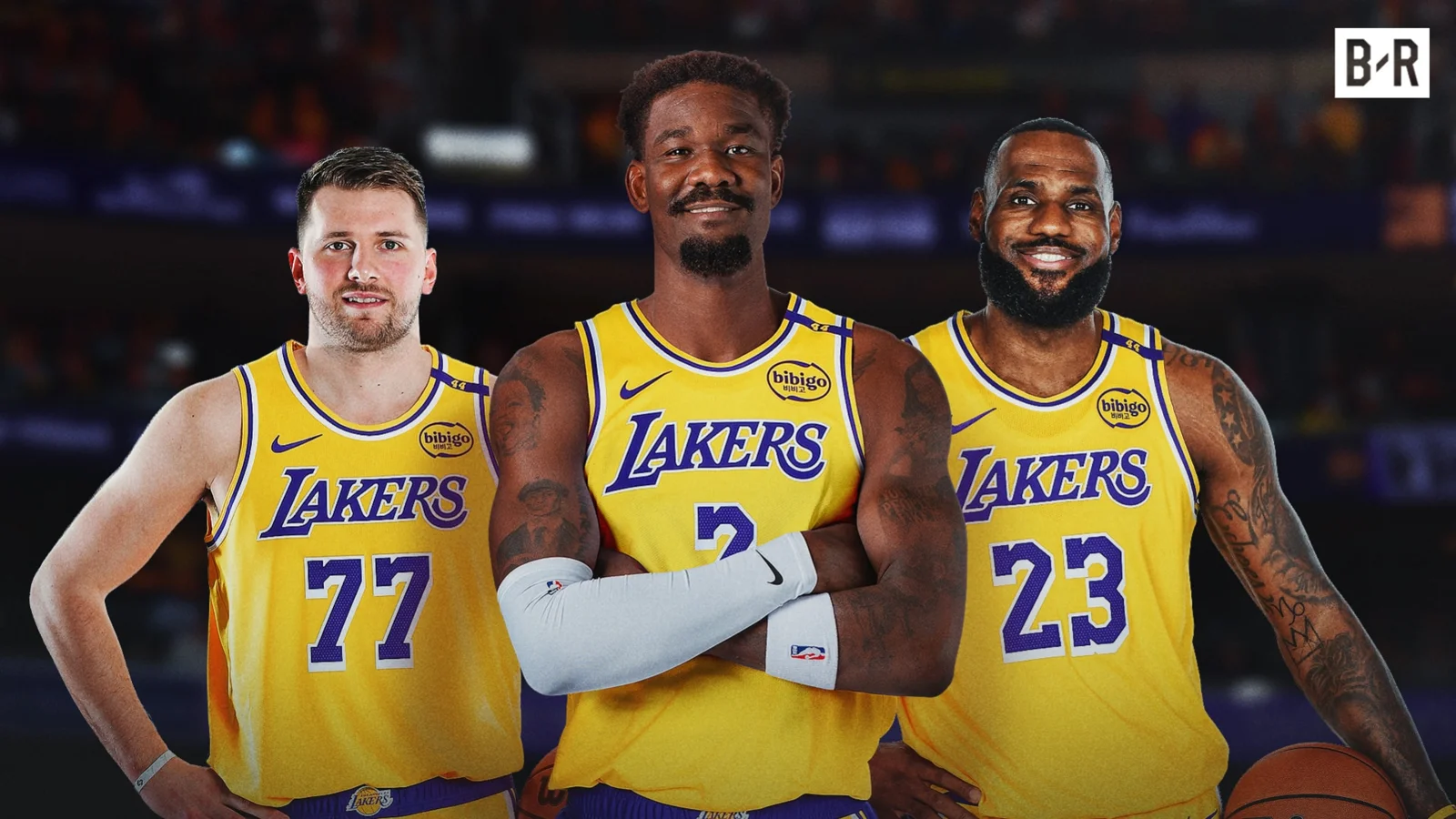
Deandre Ayton was taken as the first overall selection in the 2018 NBA Draft, ahead of Luka Dončić, highlighting his elite potential. The Lakers, consistent with their trend of acquiring high-upside former lottery picks like Rui Hachimura, Cam Reddish, and Jaxson Hayes, hope to rejuvenate Ayton’s trajectory in Los Angeles. This risk-driven strategy rests on the belief that the team’s culture, combined with star power and opportunity, can unlock untapped production from players who have yet to meet expectations elsewhere.
Ayton’s Motivation and Fit in Los Angeles
According to ESPN’s Shams Charania, Ayton targeted a move to a contending team through his buyout process. Previous experience reaching the NBA Finals with the Phoenix Suns in 2021 reinforces his value in high-stakes settings. In his best phase with Phoenix, Ayton showcased strong defense, notably holding his own against Nikola Jokić during playoff runs, while excelling as a pick-and-roll partner for Chris Paul and Devin Booker. Though not celebrated as the league’s most physical center, he filled vital gaps required for championship-caliber teams.
Assessing Ayton’s Career Fluctuations
Despite a promising start in Phoenix, Ayton’s trajectory became turbulent as contract disputes and questions about his attitude emerged. Over time, his defensive energy waned, and his willingness to mix it up in the paint came into question—issues echoed during his stint with Portland. These critiques prompted pointed responses from Ayton himself:
“nothing to prove in this league”
—Deandre Ayton, max player
“I’m a max player, and I’ll continue to be a max player.”
—Deandre Ayton, max player
Such declarations stand in contrast with his new financial reality, and they raise further questions about how Ayton will adapt to his fresh start in Los Angeles.
High-Risk, High-Reward Investment for the Lakers
The calculated gamble on Ayton aligns with a need for the Lakers to find impactful talent without mortgaging future flexibility. At just 27, Ayton fits alongside Luka Dončić and Austin Reaves, both of whom share his age, offering a cohesive timeline for the franchise. Bill Duffy, who represents both Dončić and Ayton, may have played a key role in facilitating open communication and setting mutual expectations for integration with the Lakers. Should Ayton make good on his clear talent and past success, this low-cost move could pivot Los Angeles back into championship conversations.
The Lakers’ Path Forward and Remaining Questions
Unlike previous costly attempts to acquire centers—such as the significant offer for Mark Williams that included Dalton Knecht and multiple first-round assets—the Lakers maintain flexibility after Ayton’s signing. This freedom preserves resources for potential upgrades on the wing, which remains a conspicuous need if the team is to become a true contender. If Ayton excels, he could secure a place in Los Angeles’ long-term core; if not, the organization’s risk exposure remains contained. None of the other free-agent bigs on the market matched Ayton’s upside, making this acquisition a singular opportunity in a tight market.
Impact and Implications for the Lakers and NBA Landscape
By securing Ayton at a discounted rate, the Lakers position themselves for potential resurgence without significant asset depletion. The move addresses the vacancy left by Anthony Davis in the center rotation and injects much-needed size and skill into the team. Whether Ayton can overcome the criticisms from his Phoenix and Portland days and rise to his initial draft pedigree in Los Angeles will be closely watched across the league. As free agency progresses, all eyes will be on how this bold signing shapes not only the Lakers’ fortunes but possibly alters the competitive picture for the upcoming season.