
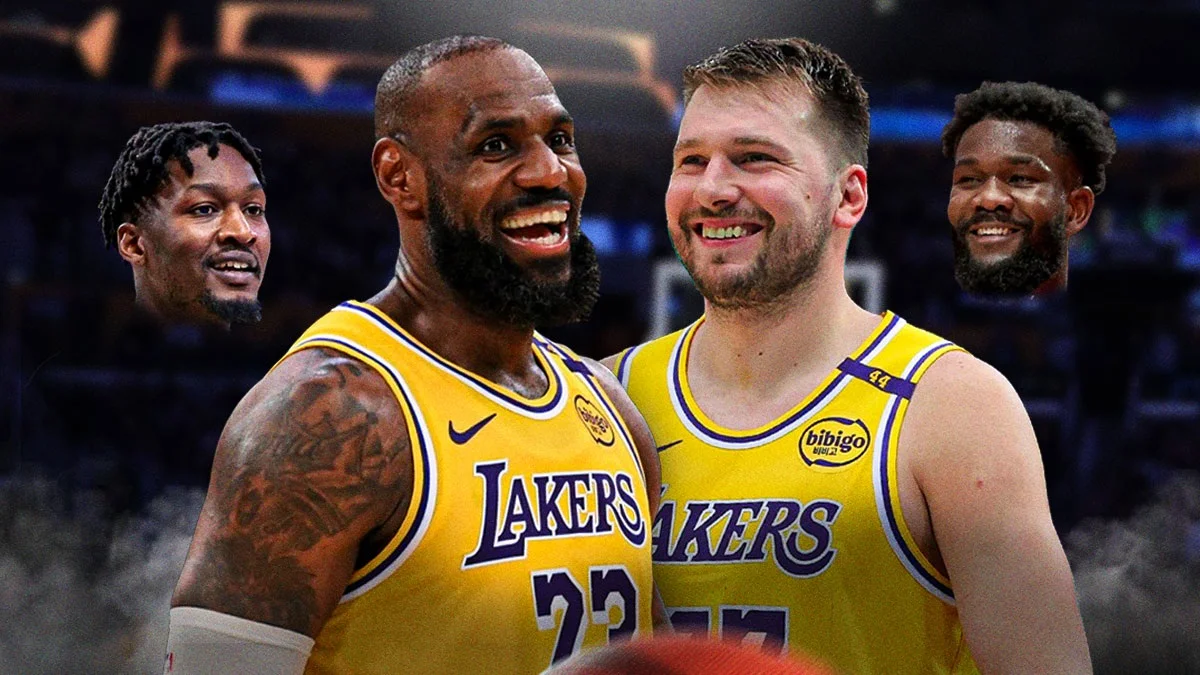

Luka Doncic Lakers Finney-Smith controversy is becoming a central storyline for the Los Angeles Lakers after longtime friends Luka Doncic and Dorian Finney-Smith, whose bond dates back to their Dallas Mavericks days, appeared to be at the heart of a divisive episode within the franchise. The fallout from Finney-Smith’s controversial exit to the Houston Rockets, and rumors over Lakers management’s handling of negotiations, has created a turbulent environment that could ultimately factor into Doncic’s future in Los Angeles.
History of Friendship and Reunion in Los Angeles
Luka Doncic and Dorian Finney-Smith forged a tight friendship on the Dallas Mavericks, becoming key teammates both on and off the court. Before Doncic was surprisingly traded to the Lakers last season, he spoke frequently about his admiration for Finney-Smith, often expressing hope that they would play together again. Ahead of facing Finney-Smith’s then-team, the Brooklyn Nets, Doncic shared with reporters how much he missed his friend, stating:
I know at some point, we’re gonna play again, for sure. That’s my guy.
The prediction came true sooner than expected, as both players landed in Los Angeles in separate trades the following season. Doncic, when asked about his excitement for the reunion, made it clear:
10. That’s my guy man, that’s my guy.
We basically like, I feel like we started playing basketball together in Dallas. We grew up as players together so I’m excited to play with him.
On the floor, their chemistry was evident. Doncic’s playmaking allowed Finney-Smith to find open looks, while Finney-Smith’s relentless defense helped ease Doncic’s burden on that end. Their dynamic went beyond basketball, as they remained close off the court, meeting for dinners during road trips and supporting one another through challenges, such as rumors and criticism in the media. Finney-Smith, in particular, was outspoken in defending Doncic during times of public scrutiny:
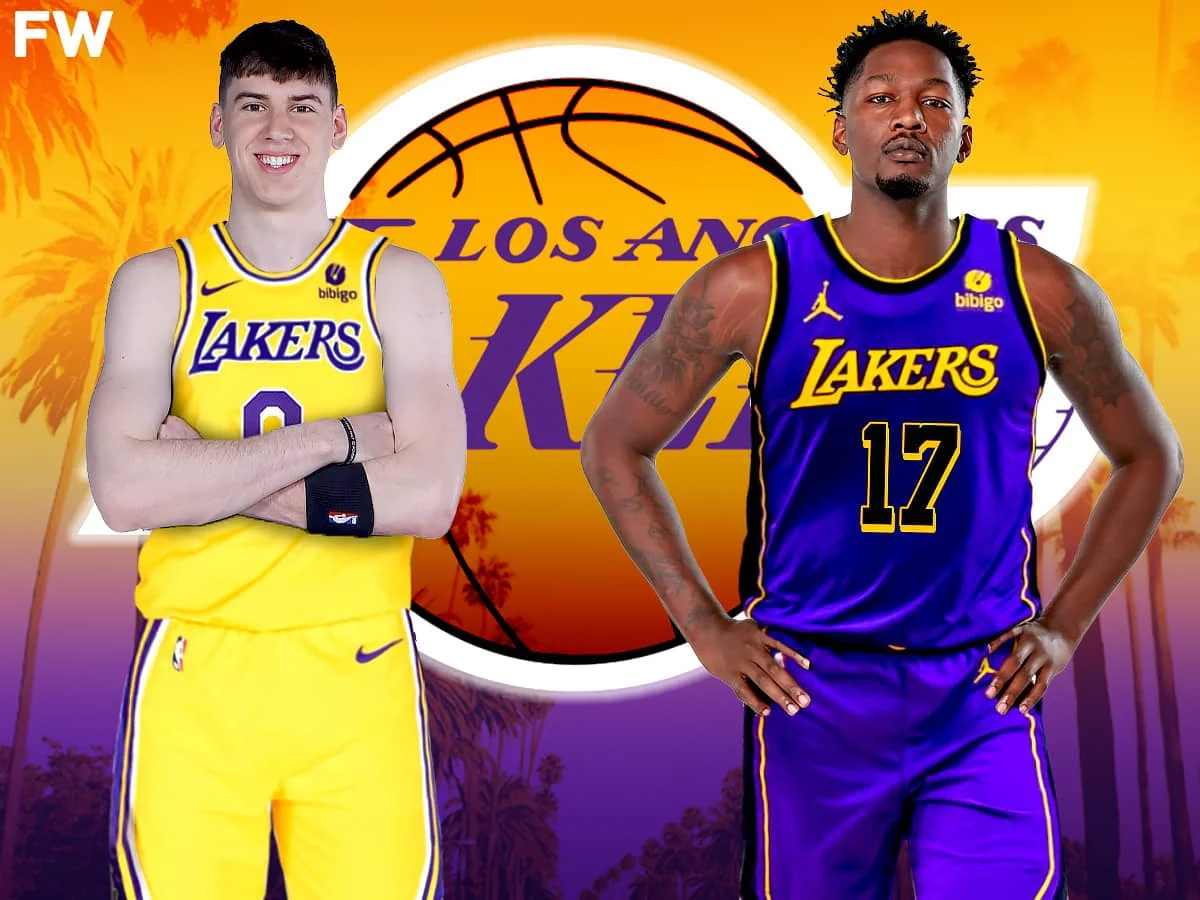
Dorian Finney-Smith on criticism about Luka Doncic’s weight: “S—, if I’m putting up them type of numbers, maybe I need to be 270” pic.twitter.com/pEkLY5730S— Dave McMenamin (@mcten) February 5, 2025
Doncic and Finney-Smith’s partnership was widely viewed as mutually beneficial. Doncic’s leadership helped elevate Finney-Smith’s value, ensuring he received recognition and a financially rewarding role, while Finney-Smith’s presence alleviated pressure on Doncic, both defensively and personally.
Lakers’ Decision Sparks Surprise and Speculation
Despite the strong bond and on-court success, the Lakers chose not to re-sign Finney-Smith in free agency, allowing him to sign with the Houston Rockets. The organization appeared to accept his departure long before negotiations even began, raising eyebrows among reporters, insiders, and fans alike.
The situation took a controversial turn when reports emerged that Lakers president of basketball operations, Rob Pelinka, had allegedly spoken negatively about Finney-Smith’s knee condition to rival front offices. Journalist Anthony Irwin reported:
Apparently Rob was going around to other teams talking about how DFS’ knee is cooked to tank his value and it got back to him lol HORRIBLE look considering he’s besties with Luka (via @AnthonyIrwinLA) https://t.co/wWaQLL1Hed pic.twitter.com/erIYzWvAKy— (@najeeadams_) June 30, 2025
Such actions, if true, would mark a significant breach of trust, especially considering Doncic’s close relationship with Finney-Smith. Pelinka’s motivation and the effectiveness of this alleged maneuver have been debated, as the ability to depress Finney-Smith’s market value was questioned given the number of teams with viable contract offers. Nonetheless, the implication that Pelinka was undermining the Lakers’ newest star’s closest friend has cast a shadow on the organization’s internal dynamics.
Even if these actions were not deliberate, the notion that Finney-Smith’s camp perceived disrespect or underhanded tactics during contract negotiations became widely accepted among <a href=”https://www.buzzineintl.com/category/basketball/nba/”>NBA insiders. ESPN’s Zach Lowe commented that the discussions, “didn’t end on good terms,” while The Ringer’s Bill Simmons suggested that Finney-Smith and his representatives directly accused Pelinka of harming his reputation on the open market and, upon learning of it, pulled out of negotiations:
The Finney-Smith thing, I think with the people that know this shit, it didn’t feel like this was a big enough story publicly that the Lakers screwed up the Finney-Smith thing. That him and his agent kind of felt like Pelinka was negging his value in the open market and telling teams he was hurt. And they found out about it, and they pulled back, and they said ‘that’s it, we’re not [negotiating anymore].’ Then they went and solicited the Houston thing.
Details remain confidential between Pelinka, Finney-Smith, and his representation, but the consensus is that the split was fraught with tension, extending beyond differences in contract length and salary.
How Free Agency and Negotiation Tactics Shaped the Outcome
Despite the drama, it’s possible the Lakers would have lost Finney-Smith to Houston regardless, given the more lucrative deal he received: a four-year, $53 million contract in a state with no income tax. The Lakers’ counteroffer reportedly involved only a two-year deal, prioritizing salary cap flexibility for future seasons.
This strategy, however, could be interpreted as short-sighted, especially in light of the personal stakes. Letting a significant contributor walk without serious effort to retain him, while also risking the alienation of Doncic, may leave the team’s leadership open to criticism. The decision to let Finney-Smith go, combined with the negativity surrounding his exit, exemplifies the cutthroat nature of professional basketball negotiations—a reality not lost on NBA players like Doncic, who have witnessed organizational politics and personal rifts before.
According to salary cap analyst Bryan Toporek, Luka Doncic becomes eligible for a massive four-year, $228.6 million contract extension on August 2. While it would be simplistic to assume that this incident alone would prevent Doncic from re-signing, the optics do matter. Having already experienced a fraught exit from the Mavericks characterized by leaks and negative press, Doncic may be attuned to how executives treat his friends and peers.
Unresolved bitterness from the Finney-Smith negotiations could impact how Doncic views the team’s leadership, especially Rob Pelinka and the Lakers front office. In the NBA, reputation and relationships hold considerable weight, and stars often take note of how franchises handle their closest allies. If Doncic perceives any pattern of disrespect, it could influence his willingness to invest his prime years and future with the team—potentially under less favorable terms than he would have commanded elsewhere.
Significance for the Lakers and What May Follow
The departure of Dorian Finney-Smith and the discordant circumstances around it risk undermining the Lakers’ efforts to secure Luka Doncic’s long-term commitment, especially as tensions between players and management surface publicly. With Doncic’s contract extension on the horizon, the organization now faces the difficult task of repairing trust and demonstrating that player relationships matter in building a championship culture.
If the controversy lingers and unresolved differences persist, incoming owner Mark Walter will likely have to make strategic choices regarding where his loyalties reside—between management and the superstar talent central to the Lakers’ future. The developments surrounding this Luka Doncic Lakers Finney-Smith controversy emphasize how swiftly team chemistry, player trust, and leadership reputation can all become intertwined, ultimately shaping the fate of elite basketball franchises.
Our Reader’s Queries
Q. Is Luka Doncic a billionaire?
A. As of 2025, Celebrity Net Worth estimates that Luka Doncic’s net worth is about $75 million. Most of his wealth comes from the big deals he has signed during his successful NBA career.
Q. What car does Luka Doncic drive?
A. The Brabus Rocket 1000 is built using the Mercedes-AMG GT 63 S E Performance as its base. This special, limited car can go from 0 to 100 kilometers per hour (62 miles per hour) in only 2.6 seconds. Its highest speed is 316 kilometers per hour (196 miles per hour). Even though Doncic made $43,031,940 during the 2024-25 season, the 25-year-old is careful about how he uses his money.