
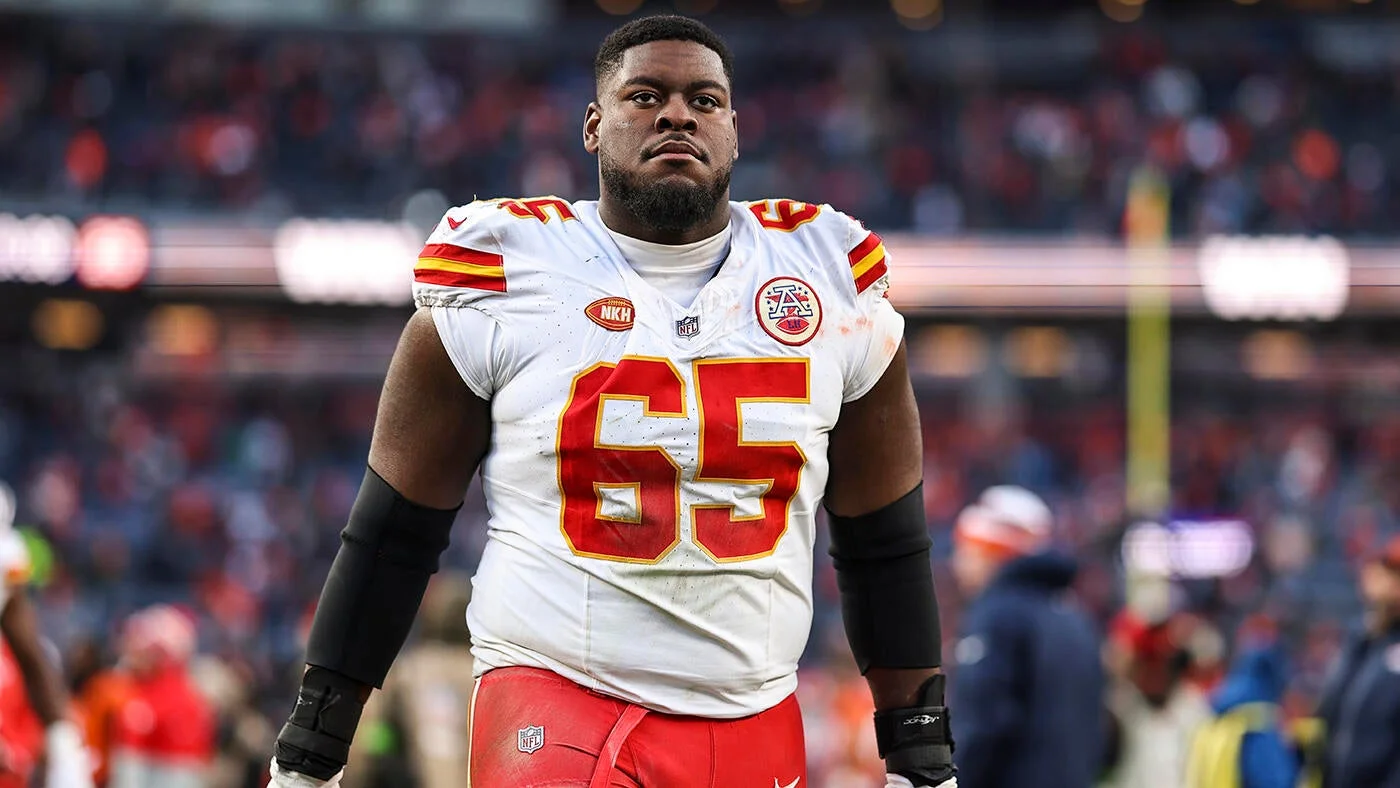

The Kansas City Chiefs’ negotiations with offensive guard Trey Smith have reached a critical point, as the deadline to secure a multiyear contract with their franchise-tagged Pro Bowl lineman approaches on July 15, 4 p.m. ET. This pivotal moment marks the Chiefs’ latest attempt to retain one of the NFL’s most promising interior offensive linemen before restrictions set in, with the Trey Smith Chiefs contract negotiation entering the home stretch.
Urgency Surrounds Franchise Tag Deadline
Several NFL veterans like Trey Hendrickson of the Bengals, Terry McLaurin of the Commanders, and Micah Parsons of the Cowboys are among those expected to receive new contracts before the 2025 regular season, but the situation for Kansas City is especially urgent. The Chiefs surprised many by placing the franchise tag on Smith in late February—a move rarely made for interior offensive linemen. Smith stands as only the fourth offensive guard to be franchise tagged in the past decade, following Brandon Scherff (twice by Washington), Joe Thuney (by the Patriots), and Logan Mankins (by the Patriots in 2011).
One reason franchise tags for guards are so uncommon is the NFL’s structure: there are no separate tag amounts for centers, guards, or tackles, so the cost is dictated by the highest-paid, often left tackles—making it expensive and unusual for guards. Smith’s tag amounts to $23.402 million, fully guaranteed, a figure that exceeds the typical market value for an offensive guard.
Smith’s Leverage Strengthened by Recent Chiefs Moves
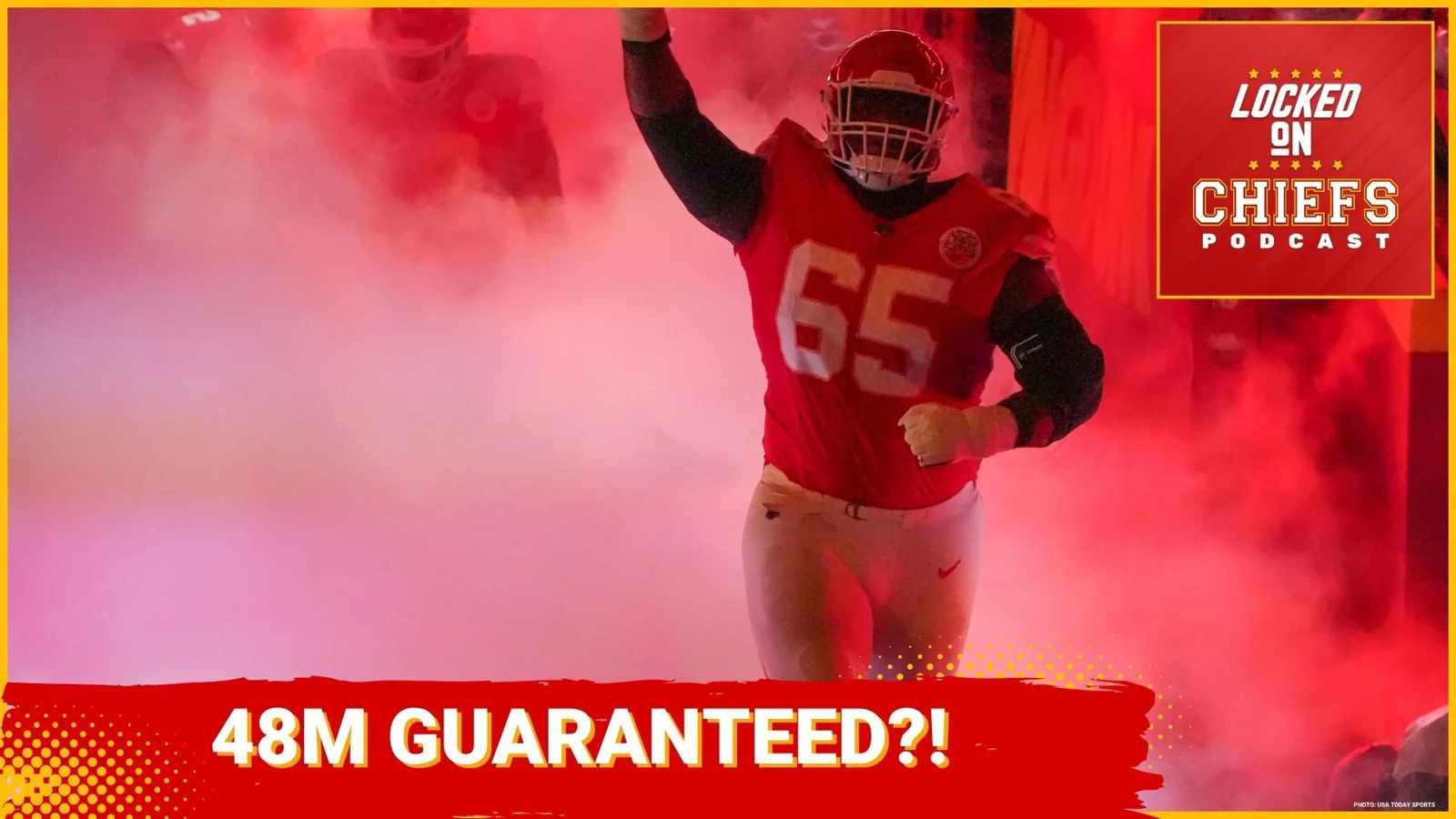
Smith, who quickly signed his franchise tender, benefits from circumstances unique to the Chiefs. The team recently traded first-team All-Pro left guard Joe Thuney to the Bears for a 2026 fourth-round pick, further solidifying Smith’s value and leverage, as Thuney—the anchor of the interior line—heads into a contract year elsewhere. If no deal is reached, Smith is eligible to become a free agent in 2026, but Kansas City would likely find it financially prohibitive to use the franchise tag on him again next year, with the 2026 tag set at $28,082,400—an increase of 120% over this year’s figure.
Smith’s performance and ascent, earning his first Pro Bowl honor last season, add to his negotiating position. Historically, top-tier, prime-age offensive guards hitting free agency have reset contract benchmarks repeatedly since 2016—examples include Kelechi Osemele, Kevin Zeitler, Andrew Norwell, Joe Thuney, and Brandon Scherff. If Smith were to reach free agency now, he would have been positioned to set a new top salary for his position.
Chiefs’ History of Market-Setting Contracts
Kansas City’s front office is familiar with leading the way in offensive line compensation. Joe Thuney’s five-year, $80 million deal previously established a high-water mark, and Jawaan Taylor broke the $20 million per year barrier for right tackles with a four-year, $80 million pact, including $60 million in guarantees. Center Creed Humphrey further changed the salary landscape, signing a four-year, $72 million extension last preseason with $50.315 million guaranteed, $35 million of which was fully guaranteed at signing—a record at the time.
General manager Brett Veach made the franchise’s intentions clear in April, stating:
There’s no secret that we’d like to get Trey locked up.
—Brett Veach, Chiefs General Manager
Veach’s comment underscores Kansas City’s desire to keep Smith in the fold for the long term.
Comparing Offensive Guard Contract Benchmarks
Landon Dickerson currently tops the market among offensive guards after agreeing to a four-year, $84 million extension with the Eagles last March, averaging $21 million annually, with escalators lifting the deal up to $87 million. Quenton Nelson’s four-year, $80 million extension with the Colts in 2022 set a then-record, and Chris Lindstrom of the Falcons nudged the average up to $20.5 million per year in 2023, backed by $62.702 million in guarantees and a high level of upfront security. Dickerson’s contract represented a modest 2.43% increase over Lindstrom’s deal. On average, new market-setting contracts for guards have reflected a nearly 10% raise over previous benchmarks.
If Smith’s camp seeks a similar step up from the current standard, a contract approaching $23.075 million per year could be justified. By matching recent increase percentages that followed the deals in Philadelphia and Atlanta, a $21.5 million average could also be targeted for Smith, aligning him with Dickerson and Lindstrom as the NFL’s best-compensated guards.
Guarantees and Deal Structure: Essential Factors in Negotiation
Securing Smith’s long-term commitment may require more than just top annual compensation. Robert Hunt’s $63 million in total guarantees (spread over five years with the Panthers) and Lindstrom’s $48.202 million fully guaranteed at signing are fresh examples of the substantial financial promises now standard at the position. The largest signing bonus for an interior offensive lineman stands at $31 million, set by Nelson. In this climate, Smith’s representatives might prioritize guarantees as much as average annual value, seeking record security for their client.
Previous contract negotiations with linemen provide useful cautionary tales. When the Chiefs sought a long-term deal with offensive tackle Orlando Brown Jr. in 2022—offering a reported six-year, $139 million contract at the tag deadline—the structure (especially its highly inflated final year and overall length) led to Brown turning down the offer, instead playing under a one-year franchise tag. For Smith, a well-balanced, player-friendly deal, rather than a contract that risks being considered backloaded or overly lengthy, will likely be central to successful talks.
Financial Calculus for Smith and the Chiefs
Should Smith choose not to sign a long-term contract and instead play under the franchise tag in 2025, his camp would need confidence that the 2026 free agent market would support a sizable three-year, $62.598 million contract to justify forgoing current long-term security. That would produce a break-even point with a $21.5 million average, factoring in the 2025 tag number. Thus, Kansas City’s best bet for locking in Smith may be presenting an offer close to $21.5 million per year, but structured with ample guarantees and upfront money to entice the guard to stay.
Implications of Smith’s Deal for the NFL Market and Chiefs’ Future
If Kansas City finalizes a multiyear extension with Trey Smith before the July 15 deadline, the results could reset the market for offensive guards—possibly by the largest margin yet. The deal would echo the Chiefs’ approach in rewarding positional excellence, set a new financial precedent, and solidify their offensive line after moving on from Thuney. Whether Smith ultimately signs could alter not only the franchise’s salary cap outlook but shake up negotiations for Pro Bowl guards across the league heading into next year.