
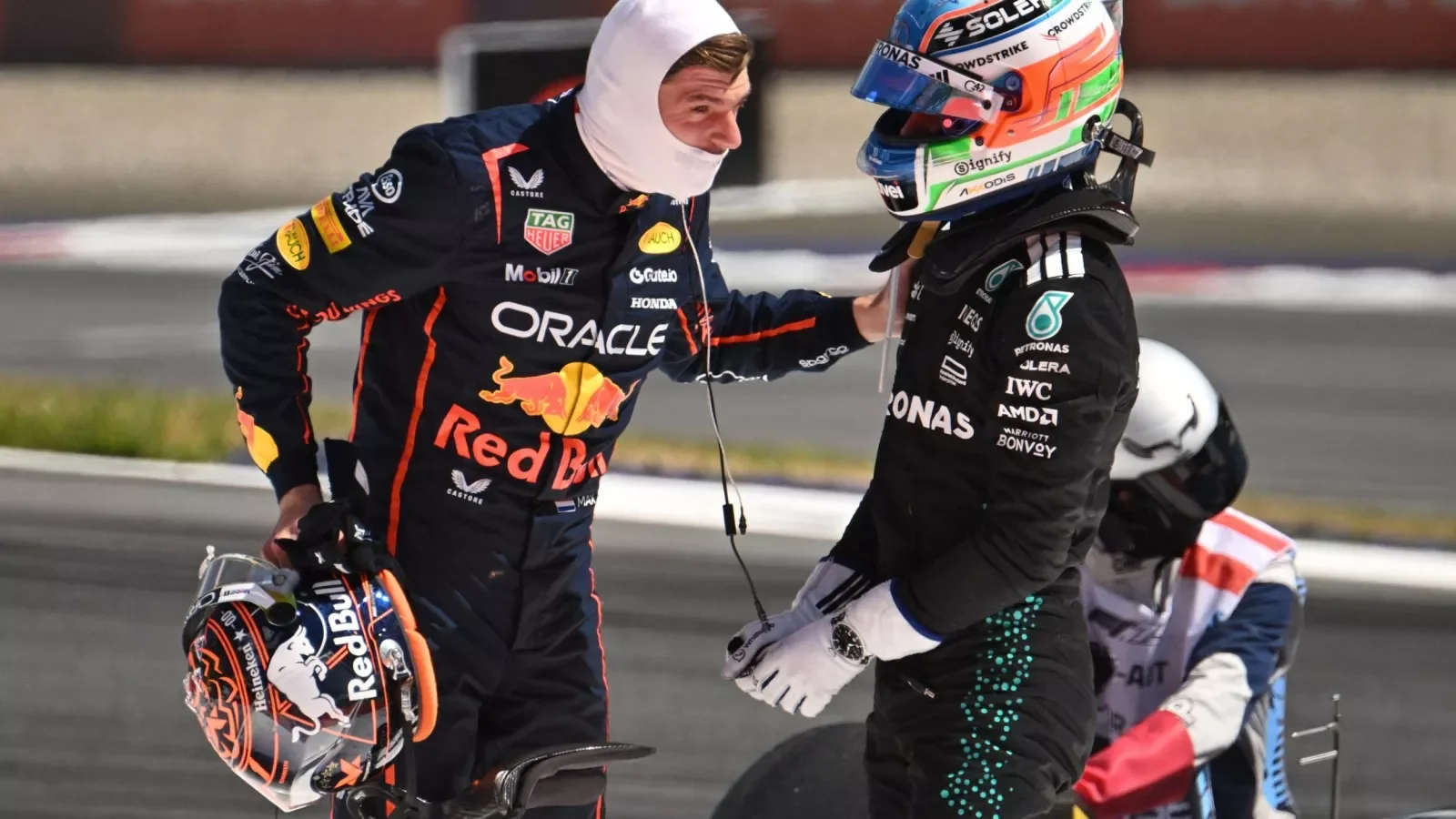

Kimi Antonelli has shared insights into the Max Verstappen crash that occurred during the Austrian Grand Prix, revealing details from his data analysis leading up to the British Grand Prix. Despite the collision being an unfortunate moment in Austria, Antonelli compared it to an earlier incident at Monza, which he found even harder to accept.
Antonelli explained that he matched the braking point of his Mercedes teammate George Russell, but locking the rear tires was the key factor triggering a series of events that culminated in his crash with Verstappen at Turn 3. The data review gave Antonelli a clearer understanding of what precisely went wrong during the high-speed maneuver.
Understanding the Events Leading to the Austria Collision
The Austrian race weekend had been challenging for Max Verstappen, who started in seventh position due to a late qualifying yellow flag caused by Pierre Gasly’s spin. Unfortunately, Verstappen was eliminated early in the race when Antonelli misjudged Turn 3 in his Mercedes and collided with Verstappen’s Red Bull, taking both drivers out of contention.
This incident was a setback in an otherwise consistent rookie season for Antonelli, but he admitted the emotional difficulty was less than his crash at Monza earlier in the year. That earlier accident occurred during FP1 at the Parabolica corner, in front of his home crowd, making it especially tough to handle.
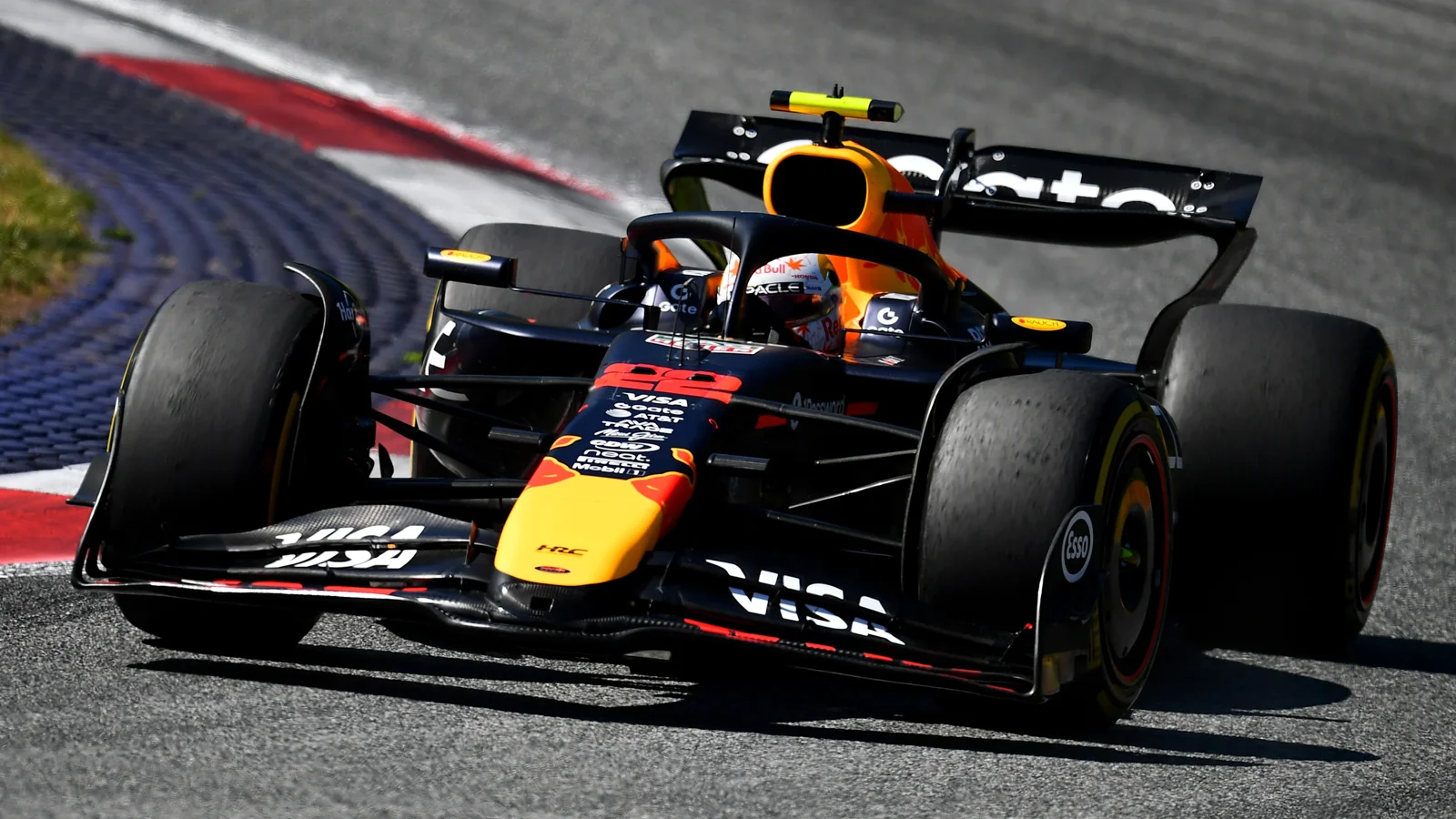
Reflecting on the Monza crash, Antonelli said,
“I think Monza was worse. For me, Monza was like the worst ever.”
He further added that difficult moments, though unwelcome, provide opportunities to grow and prepare for future challenges.
“But definitely, these are all episodes that obviously you don’t want to happen, because, in some ways, they kind of hurt you as well, but they also make you stronger and when you get to the moment again, the difficult moment, you’re able to react in a much better way.”
—Kimi Antonelli, F1 Driver
Antonelli also pointed to the demanding triple-header stretch of races as valuable experience for managing adversity and returning with renewed focus after the Austria incident.
Detailed Breakdown of the Crash From Antonelli’s Data Analysis
After the incident with Verstappen, Antonelli closely examined his race data to unpack the sequence of events. He discovered that while his brake timing was consistent with teammate George Russell, other factors caused his car to lose control. Antonelli explained that being in the slipstream of Liam Lawson reduced downforce on his car and led to locking the rear tires during braking.
When the rear tires locked, Antonelli’s car oversteered, forcing him to release the brake to avoid spinning. This adjustment subsequently caused him to move closer to Lawson’s car, requiring further steering input to avoid contact. Then, while braking again on a less clean racing line, Antonelli locked the front tires, which resulted in the loss of control culminating in the collision with Verstappen.
Looking back, Antonelli reflected that choosing to stay outside might have cost him a couple of positions but would have prevented the crash and allowed him to continue the race.
He said,
“I obviously re-looked at the data, and in terms of braking point, I didn’t brake late, because I compared to George, and we brake roughly in the same point. But the thing is that I was quite close. I was in the slipstream of [Liam] Lawson, and obviously when you’re behind a car, you have a lot less load. So it meant that when I went to brake, I had a lot less downforce on the car and I started to lock the rears.”
—Kimi Antonelli, F1 Driver
Antonelli added that the rapid unfolding of events left little time for error correction:
“It happened so quick that it was really hard.”
He expressed that the major takeaway from the crash was the impact of reduced downforce when following closely, which he aims to factor into future race strategies.
“But of course, now we aim to start more at the front.”
—Kimi Antonelli, F1 Driver
Antonelli’s Position and Outlook Heading Into the British Grand Prix
Currently seventh in the 2024 Drivers’ Championship with 63 points, Antonelli has shown resilience despite his setbacks. His maiden podium in Canada earlier this season highlighted his growing competitiveness. The recent data analysis and learning from both Austria and Monza incidents provide him with a better understanding of race dynamics and how to avoid similar mistakes going forward.
The Austrian crash with Verstappen is a pivotal moment in Antonelli’s rookie campaign, offering valuable lessons about braking and car control under pressure. As the season continues, the focus will be on leveraging this experience to improve qualifying positions and race outcomes, especially with tougher competition and high stakes ahead.
Our Reader’s Queries
Q. What gender is Max Verstappen’s baby?
A. Max Verstappen and Kelly Piquet shared the news that they had a baby girl before the Miami Grand Prix. This is their first child together.
Q. Does Max Verstappen have a biological child?
A. Max Verstappen, who normally speeds through turns at 200 mph, is now facing the new challenge of being a dad. The current Formula 1 champion recently had his first biological child, a daughter named Lily, with his longtime partner Kelly Piquet.