
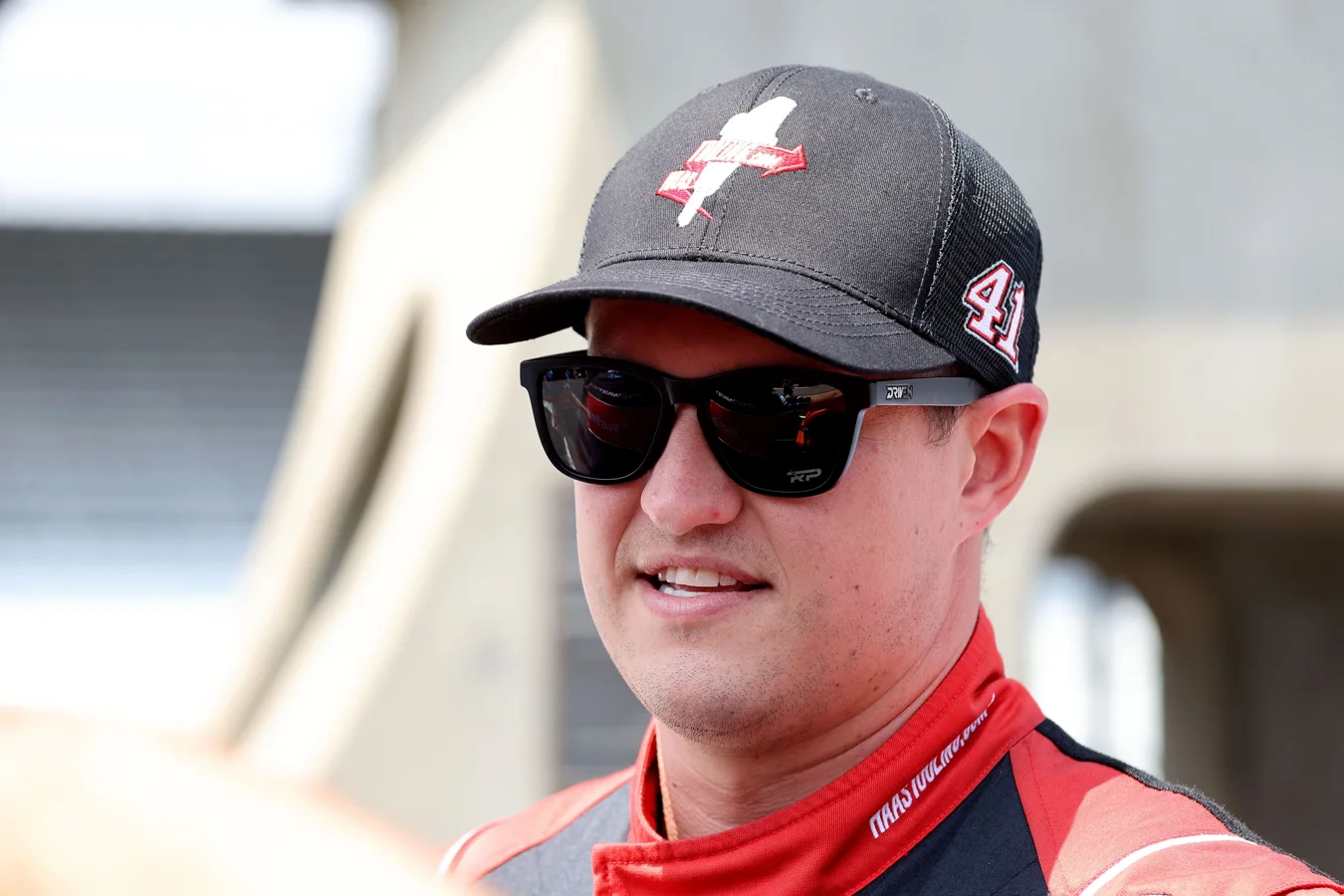

Fuel mileage strategy remains one of the most persistent and difficult challenges in NASCAR racing, defying perfect solutions even after more than 75 years of competition. Each season brings renewed debate about managing fuel consumption, as drivers and teams strive to minimize pit stops while ensuring they reach the finish line without running dry. Ryan Blaney, driver of the No. 12 Team Penske Ford Mustang, recently discussed the complexities of this strategy and why it remains critical on race day.
Balancing Crew Chief Plans and Driver Judgment
While crew chiefs develop sophisticated fuel plans, drivers often face moments when they must trust their instincts and push beyond set strategies. Blaney explained that understanding when to conserve fuel or risk a gas-and-go pit stop can make the difference between winning and losing. According to his former crew chief Todd Gordon, the mindset for conserving fuel begins well before the race, emphasizing the importance of readiness throughout the day.
Factors Influencing Fuel Mileage Decisions
Fuel strategy fluctuates constantly due to various unpredictable factors such as track temperature, tire wear, and weather conditions like rain threats. These elements force teams to adjust fuel usage plans from lap to lap, creating high-pressure decision-making scenarios during the race. The timing of cautions can further complicate these choices, sometimes forcing an unexpected pit stop even when fuel margins appear tight.
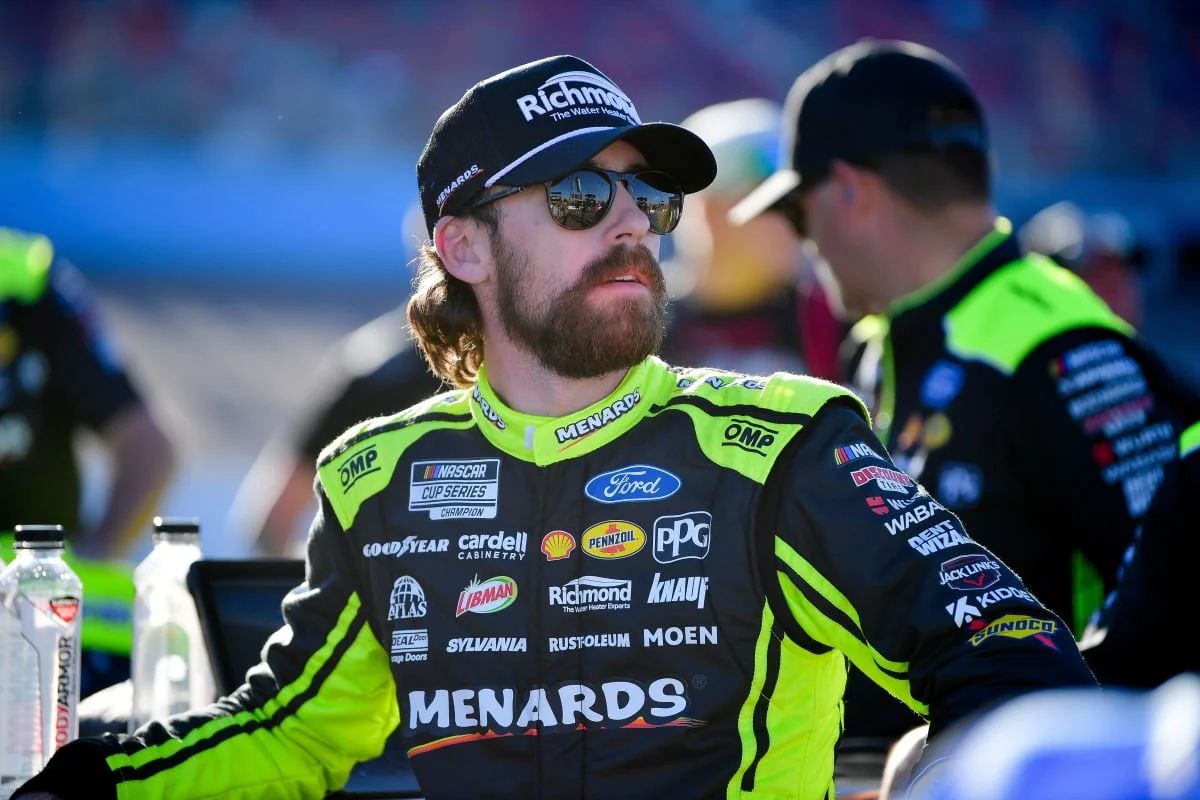
“It’s part of the game sometimes,”
Blaney noted.
“In a fuel mileage race, if it’s tight (for) your last pit stop and then a caution comes out and it’s like, ‘All right, well, we have to pit.’ Even if you’re going to be two laps short, you’ve got to pit at that point, then try to save what you can.”
Constant Fuel Conservation and Its Pit Stop Impact
Though only a few races each season revolve entirely around fuel mileage strategy, drivers regularly practice saving gas during events as a precaution. Blaney emphasized this ongoing approach as vital, especially when anticipating unpredictable cautions that might alter race dynamics.
“Save gas nowadays all the time,”
he said.
“And if it’s for a pit stop, you kind of speed up just because you never know what predicament you’re going to be in (if/when a caution occurs).”
One of the biggest challenges arises from time constraints on pit road. Larger tracks like Daytona, Indianapolis, Talladega, and Pocono often provide enough opportunity to refuel completely, whereas shorter tracks such as Bristol, Martinsville, and Atlanta demand quicker, more precise pit stops. Drivers sometimes must leave with their fuel cans still attached because waiting any longer can cost crucial seconds.
Track Size and Fuel Distance Influence Saving Techniques
Blaney explained how the number of laps saved translates differently depending on the venue. For example, conserving three laps at Dover is not the same as doing so at Michigan, where the greater length means covering six miles instead of much less. This spatial variation requires drivers to adapt their fuel-saving skills according to track characteristics.
“Sometimes it pops up like, ‘Hey, you need three laps’ and it’s easier at some tracks than others. Three laps at Dover is a little bit different than saving three laps at a Michigan. Three laps, that’s a lot of miles in Michigan, that’s six miles.”
Fuel Conservation as a Specialized Driving Skill
Mastering fuel mileage goes beyond mere saving; it involves minimizing time lost while adjusting driving style on the fly. Blaney described this as a unique skill that blends precision calculation and real-time adaptability, where drivers estimate fuel levels without exact readings, often relying on feel and experience.
“It’s kind of like a skill: some guys are really good at it when they have to save, and how it’s not only saving, it’s ‘How much time do you not lose while saving? That’s a skill that you have to have,”
he said.
“You’re completely changing up your driving style in the moment on the fly while trying to keep the best lap time, but also trying to save as much gas as you can. NASCAR is neat because you don’t know how much gas is in it, you’re just calculating how much you think you’ve got in, you can see the fuel mileage on it in real-time.”
Challenges Ahead with Next Gen Cars and Drafting Effects
The introduction of the Next Gen car and its enhanced drafting abilities, especially on superspeedways like Daytona and Talladega, has added complexity to fuel mileage strategies. Although some fans hope for a reduced emphasis on fuel conservation in these events, these wishes are not immediately realized, leaving drivers like Blaney to continue their intricate balancing act on race day.
Our Reader’s Queries
Q. What did Kyle Petty say about Ryan Blaney?
A. Ryan Blaney recently responded to Kyle Petty after the Cup Series championship. In March 2023, former NASCAR driver Kyle Petty criticized Blaney. Petty mentioned that although people discuss Blaney’s potential, he has not shown results.
Q. Has Ryan Blaney ever won Talladega?
A. Blaney claimed victory at the fall race in Talladega, edging out Ryan Newman by just 0.007 seconds. Despite an early spin on pit road, he moved forward to the Round of 8.